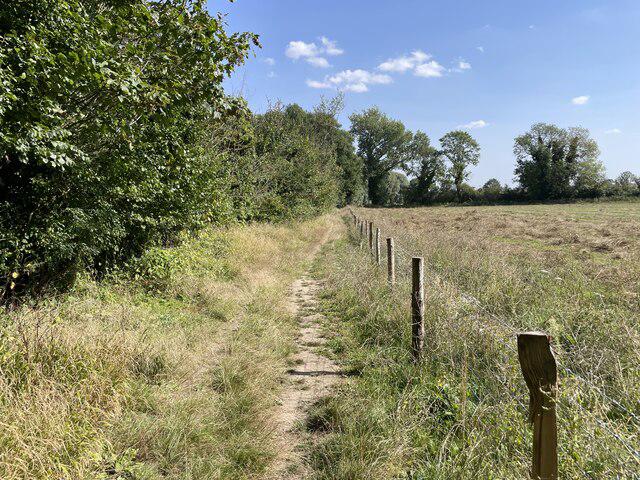
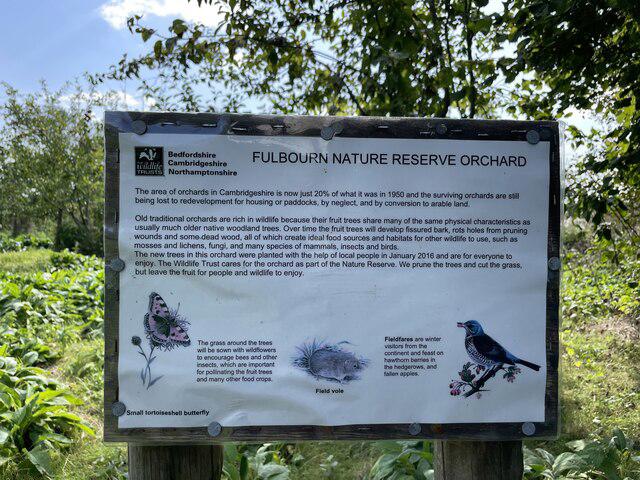
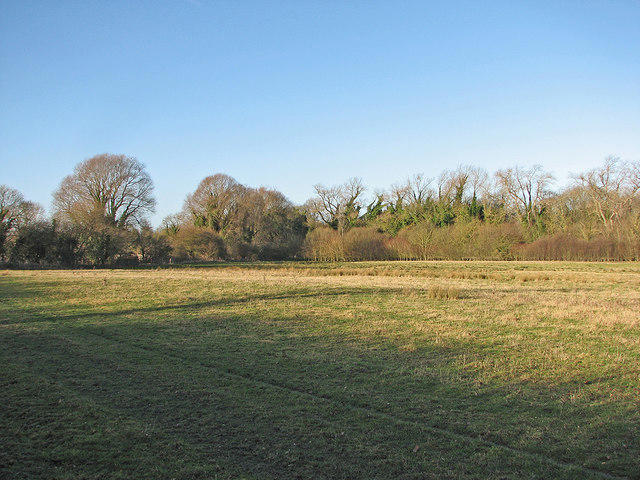
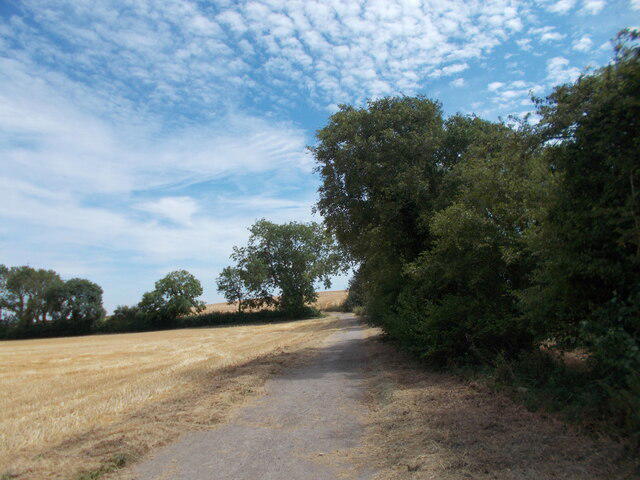
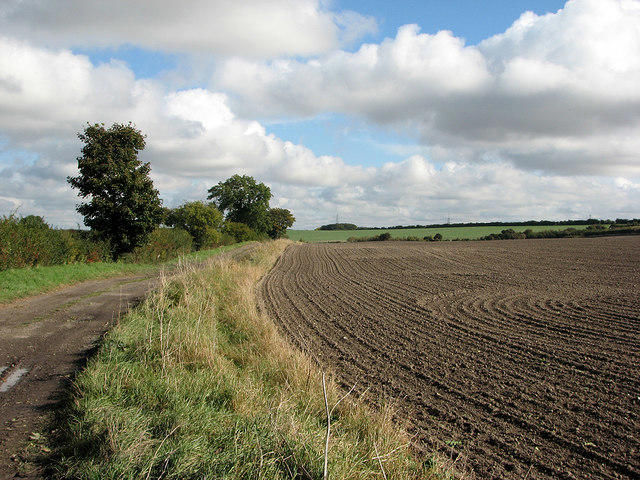
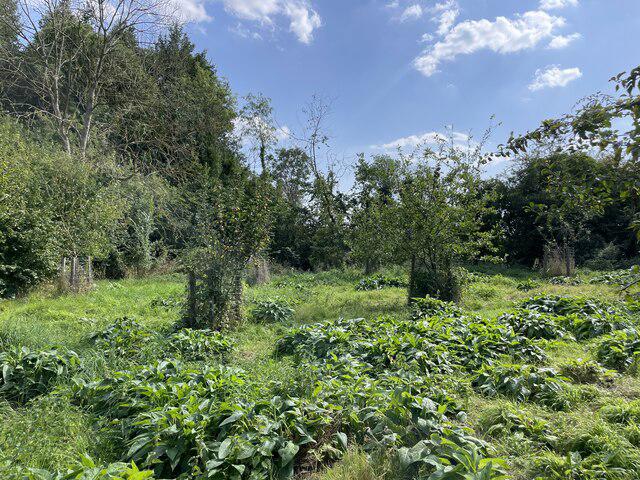
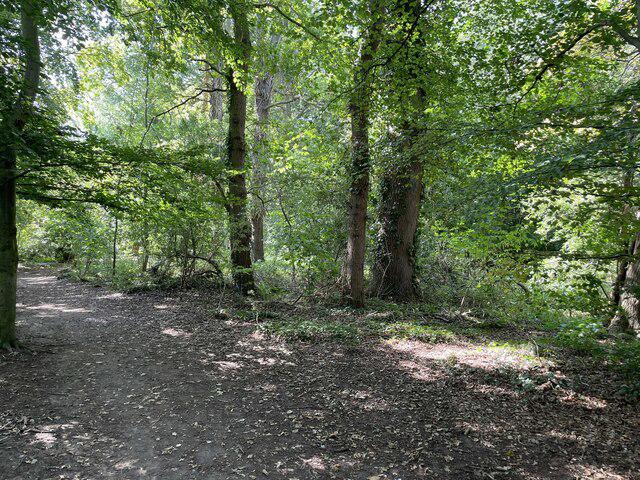
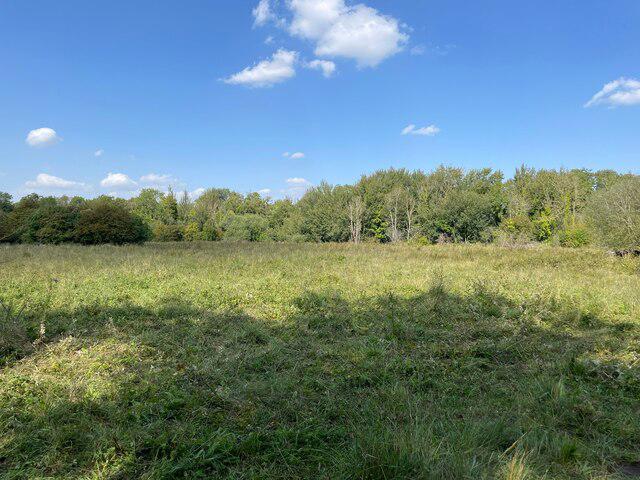
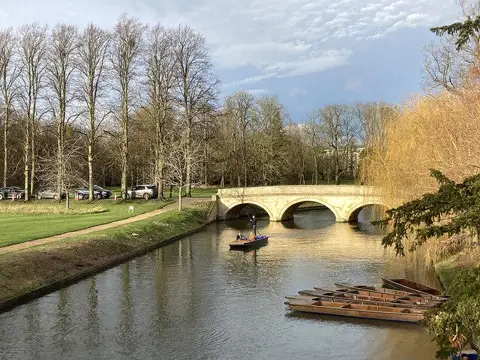
Image shared for Fulbourn Fen and Fleam Dyke: chalk ridge to Mutlow Hill
Countryside Circular

Fulbourn Fen and Fleam Dyke: chalk ridge to Mutlow Hill

Cambridgeshire

Distance
3.9 mi
Est. time
2h
Difficulty
Medium
PaulWalkmates Route by PaulWalkmates

About this walk

Start at the small Fulbourn Fen car park near the end of Stonebridge Lane. Follow the lane to the Hind Loders junction, then take the signed footpath towards Great Wilbraham. Turn onto the Fleam Dyke approach across the fields and follow the farm track to the steps onto the earthwork.

Walk south-east along the grassy dyke crest, passing the pumping station and the old railway cutting, to Mutlow Hill. This Bronze Age burial mound is the turning point. Retrace the dyke to its northern steps; this walk stays north of the A11 and does not cross it. Back at the farm track, use the little footbridge and the path around the fenced field to enter Four Acre. Return through East Fen Pasture, the boardwalk and Long Fen, crossing Ox Meadow to Mill Lane and the car park.

Allow about 2 hours for the 6.3km walk, with short stops at the earthwork and meadows. The dyke rises above the fields on a narrow, uneven path, with short steep steps at the cuts. Wear shoes with grip and expect mud, wet grass and slippery boardwalks after rain. Gates, steps and soft ground make this unsuitable for wheelchairs and pushchairs.

Fulbourn Fen opens during daylight hours. The small car park has limited spaces; keep entrances clear and check signs when arriving. Entry to the reserve is free. Dogs must stay on a lead, and cattle or sheep may be grazing. Bring water and snacks; refreshments are available in Fulbourn village away from the route. The ancient oaks in Ox Meadow, wet fen vegetation and seasonal wildflowers give the return a different character from the open chalk ridge.

Route information checked against the Fulbourn Village Library walking guide linked by Fulbourn Parish Council, Wildlife Trust BCN reserve information and Friends of the Roman Road and Fleam Dyke route updates.

Walk details

Walk type
Circular
Category
Countryside
Distance
3.9 mi (6.3 km)
Est. time
2h
Explorer
Yes, off the beaten track

Route map

Use the route details to plan your walk

If the map image does not load, the route description and starting-point details are still on this page.

The interactive map will load when you reach this section.

Where to start

Directions to start

Walking on your own?

Start when you're ready and add the walk to your history. No group date needed.

This walk is waiting for a date

Not ready to pick a date? Follow it and you'll hear when somebody else does.

No commitment. You can follow it now and pick a date later.

Joining a walk

A few things to know before you make plans.

Can I join if no one else is going?

You can be the first to join a scheduled walk. A suggested date is an idea for a group walk; choose Set this date up to organise it. Check the participant list and meeting details before setting off.

What if there is no date yet?

Choose Put a date on this walk to organise a group walk. Not ready to choose a day? Follow the route for scheduling updates, or save it for later.

What does the organiser do?

The organiser sets the date and meeting details and helps the group get started. They are a fellow walker and may be new to the route too.

Each walker is responsible for their own safety and navigation. Check the route, weather, equipment and whether the walk suits your experience and fitness.

Can I walk this route on my own?

Yes. Choose Walk this route on your own to open the start screen, then start when you are ready. Finish the walk to add it to your walking history. You do not need a group date.

What happens after I join?

Use the walk page to check meeting details, updates and who is going. Check in from 24 hours before the start to let the group know you still plan to come.

How do I confirm plans with the group?

Check the participant list and check-ins, and message the organiser or other walkers to confirm where to meet and who is coming. This is especially useful when the group is small.