
Salcombe, Batson Creek and Snapes Point estuary circuit
- Distance
- 4.2 mi
- Est. time
- 2h 30m
- Difficulty
- Medium
About this walk
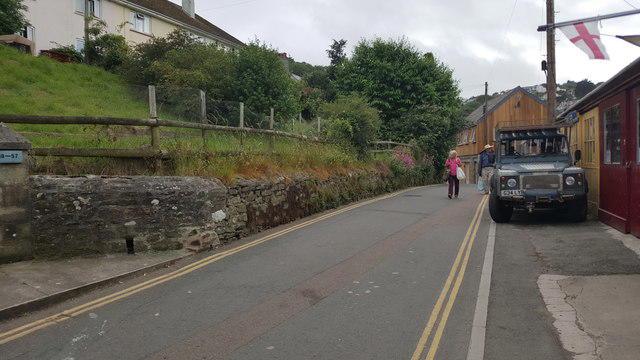
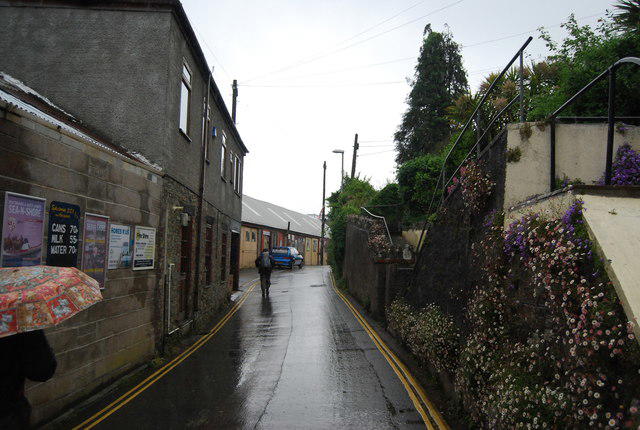
Start at the Shadycombe public car park entrance beside Shadycombe Road in Salcombe. Follow Gould Road past the boat yards, then the creekside route to Lower Batson. The lane on the north side of Batson Creek leads towards Snapes Manor, where the signed footpath climbs around the back of the house to the old carriageway. Turn south along the track towards Snapes Point.
At the point, take the signed upper path over the knoll for views across the harbour and Kingsbridge Estuary. Continue along the field edges above the water towards Tosnos Point. Beyond the small woodland, climb beside the fence and follow the contour path west to the National Trust car park. The lane returns through Hall Cross to Batson, then the same creekside approach brings you back to Salcombe. This is the full inland headland circuit, with no ferry or beach crossing.
Allow about two and a half hours for the surfaced approach, farm tracks, grassy field paths and climbs, including a stop at the viewpoint. Paths can be muddy and slippery after rain. There are gates and short stepped sections; the route is unsuitable for wheelchairs. Some lanes have no pavement, so watch for vehicles. Keep dogs under close control around livestock.
Shadycombe is pay and display, with a three-hour maximum from 25 March to 31 October and longer stays in the low season. Check the signs before leaving your car, particularly if you plan extra time in town. Toilets are on Gould Road, and Salcombe has cafes and shops. Route follows the South Devon National Landscape Salcombe to Snapes Point guide; follow the current waymarkers on the ground.
Walk details
- County
- Devon
- Walk type
- Circular
- Category
- Coastal
- Distance
- 4.2 mi (6.8 km)
- Est. time
- 2h 30m
- Explorer
- Yes, off the beaten track
Route map
Use the route details to plan your walk
If the map image does not load, the route description and starting-point details are still on this page.
The interactive map will load when you reach this section.
Where to start
Directions to startWalking on your own?
Start when you're ready and add the walk to your history. No group date needed.
Photos
View all 35 →This walk is waiting for a date
Not ready to pick a date? Follow it and you'll hear when somebody else does.
No commitment. You can follow it now and pick a date later.
More walks nearby
Other routes starting close to this one
Moretonhampstead to Lustleigh: Wray Valley woodland railway trail
Castle Drogo and Fingle Bridge: Teign Gorge woodland circuit
Exeter Canal, Double Locks and Countess Wear river circuit
Explore more: Walks in Devon
Joining a walk
A few things to know before you make plans.
Can I join if no one else is going?
You can be the first to join a scheduled walk. A suggested date is an idea for a group walk; choose Set this date up to organise it. Check the participant list and meeting details before setting off.
What if there is no date yet?
Choose Put a date on this walk to organise a group walk. Not ready to choose a day? Follow the route for scheduling updates, or save it for later.
What does the organiser do?
The organiser sets the date and meeting details and helps the group get started. They are a fellow walker and may be new to the route too.
Each walker is responsible for their own safety and navigation. Check the route, weather, equipment and whether the walk suits your experience and fitness.
Can I walk this route on my own?
Yes. Choose Walk this route on your own to open the start screen, then start when you are ready. Finish the walk to add it to your walking history. You do not need a group date.
What happens after I join?
Use the walk page to check meeting details, updates and who is going. Check in from 24 hours before the start to let the group know you still plan to come.
How do I confirm plans with the group?
Check the participant list and check-ins, and message the organiser or other walkers to confirm where to meet and who is coming. This is especially useful when the group is small.