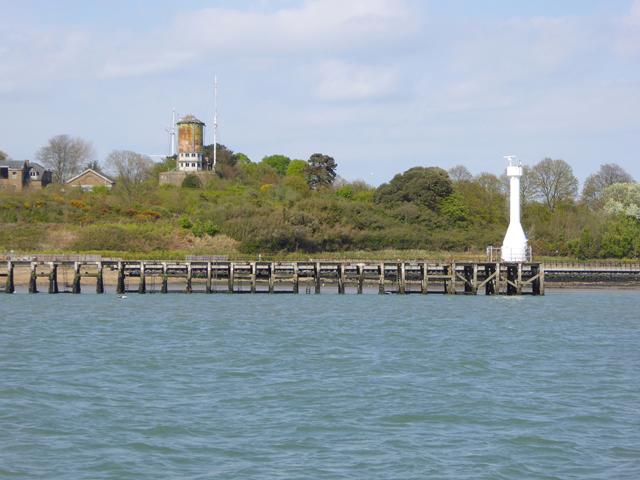
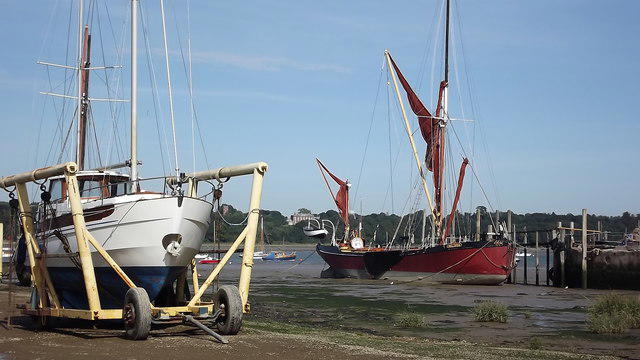
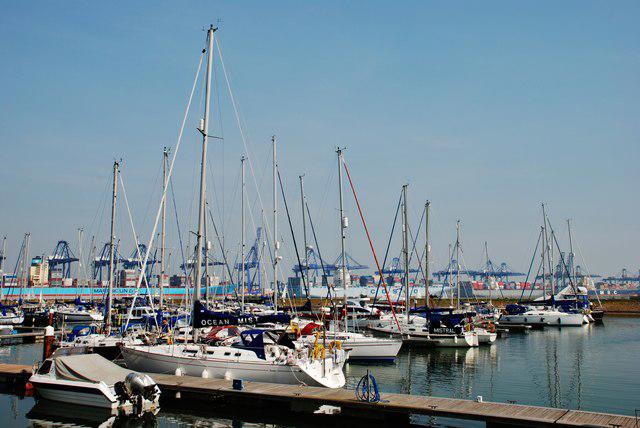
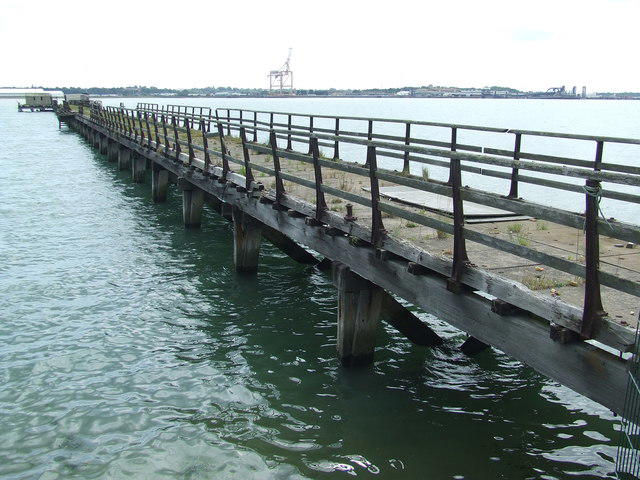
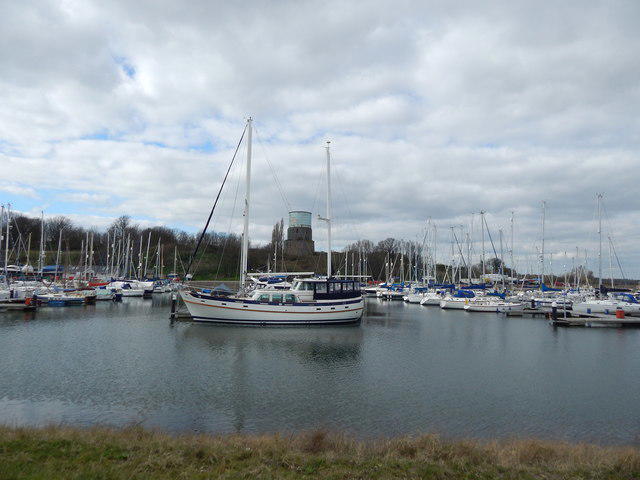
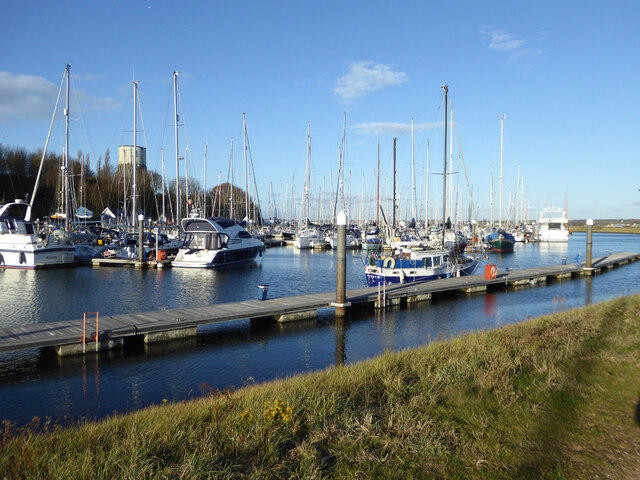
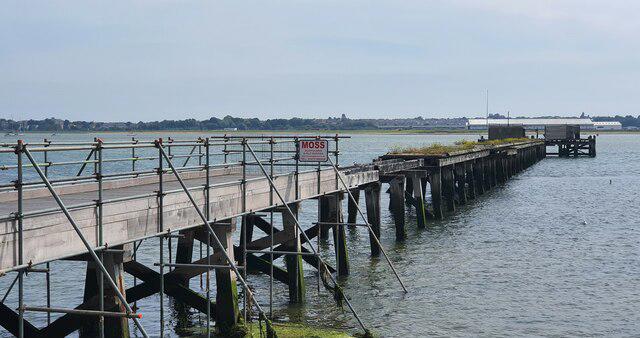
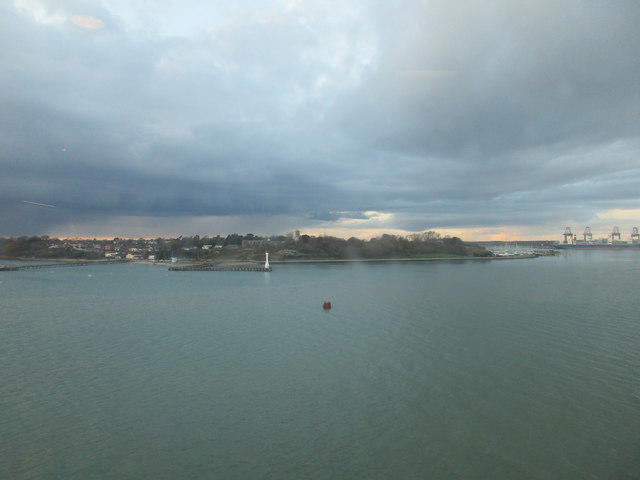
A one-way estuary walk from Shotley Pier to Pin Mill, following the Arthur Ransome trail along the River Orwell. The route links the marina, open river banks, the marshes at Collimer Point and National Trust woodland above the water. Across the estuary are the docks at Felixstowe, while the waterfront at Pin Mill has houseboats and the Butt and Oyster pub. Ransome used this stretch of river as the setting for We Didn’t Mean to Go to Sea.
Start at the public parking bays on Queen Victoria Drive beside Shotley Pier. Walk east on the waterfront pavement to Shotley Marina, cross the signed inner lock bridge and go round the seaward edge of the marina. Follow the waymarked river-wall path north past Shotley Marshes and Crane’s Hill. Continue around Collimer Point, staying on the marked bank path beside Colton Marshes. Use the footbridges at the creek and continue through the woodland towards Pin Mill. Near the village, keep to the upper public footpath and descend the concrete steps to Pinmill Road. The finish is the council car park a short distance down the lane. This avoids the tidal foreshore beside the pub.
Allow around three hours. Expect uneven grass and earth paths, steps, short slopes and mud after rain. Much of the riverside section is exposed to wind; wear footwear with a good grip and stay clear of the water’s edge. Do not walk out onto the saltmarsh or mudflats. Keep dogs on a lead beside the marshes and where livestock is present. At the marina, follow the lock signs and wait for staff instructions during boat movements. If the lock crossing is closed, use only a signed operator diversion.
This is a linear walk, so arrange transport between Shotley and Pin Mill before setting out. Pin Mill has a paid council car park and public toilets; parking is limited. Buses use the main road through Chelmondiston, uphill from Pin Mill, so check the current timetable and allow time for that walk. Pubs are available at both ends, subject to opening times. Based on the Arthur Ransome trail published by Discover Suffolk and the current Coast Path corridor, using the upper woodland approach to Pin Mill.