

Whernside
Good walks are even better shared.
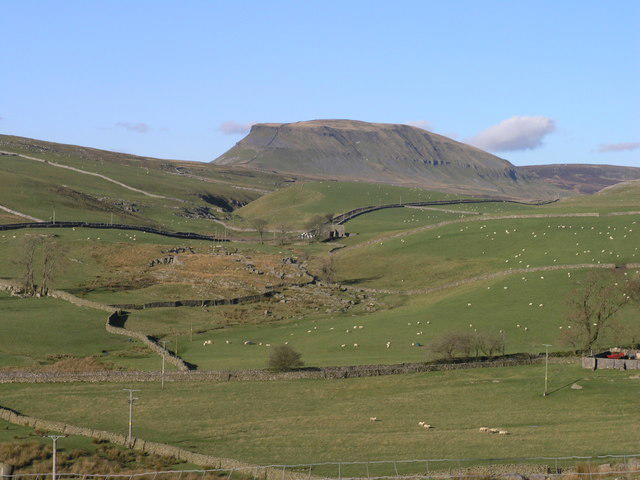
SD7381 : The final romp, Cable Rake Top
Andy Waddington Photo source
Overview
Whernside is a 736.6 m mountain in the Yorkshire Dales National Park and the highest of the Yorkshire Three Peaks. Its long ridge rises above Ribblehead Viaduct. The popular Ribblehead circuit has a steady ascent and a steep descent; other approaches cross rougher, less-used ground.
Whernside
Whernside rises to 736.6 m in the Yorkshire Dales National Park. It is the highest of the Yorkshire Three Peaks and the highest fell in the National Park. The familiar circuit from Ribblehead combines a railway-side approach, a long ridge and a steep descent. Other approaches can be substantially rougher and longer. Summit data: DoBIH v18.6; National Park.
Summit and landscape
The trig pillar and shelter are landmarks beside the summit wall. DoBIH places the actual highest ground by the path about 140 m north-north-east of the pillar, at SD7389381545. Use this distinction when identifying the summit. DoBIH.
Whernside’s Carboniferous rocks include repeated limestone, shale and sandstone layers. The surrounding limestone scenery does not make the entire hill a limestone plateau. Ice also reshaped the landscape: BGS records a former small cirque glacier here. Dales Rocks; British Geological Survey.
In clear weather the ridge looks towards Ingleborough and Ribblehead Viaduct, with more distant views of the Howgills, Lakeland and Morecambe Bay. There is no reliable “best season” for visibility. National Park route.
Choosing a route
These are planning summaries, not navigation instructions. Map the whole walk, including the finish and return journey, before setting out.
- Three Peaks Whernside section: Ribblehead to the northern shoulder and ridge, descending to Bruntscar towards Chapel-le-Dale. This one-way stage is different from returning to Ribblehead. The complete Yorkshire Three Peaks circuit is 38.6 km. Challenge guide.
- Ribblehead circuit: Start and finish at SD766793. Approach by the railway aqueduct, climb the ridge and descend to Bruntscar, then return via Ivescar and under the viaduct. The National Park gives 12.5 km, with no published time. The descent includes steep stone steps. Official route PDF.
- Dent circuit: The defined circuit from Dent car park SD703871 uses Flinter Gill, Occupation Road and the western ascent, returning by Whernside Tarns, Craven Way and Dales Way. Walking Britain gives 19.5 km and an estimated 7.5 hours. There is rough, sometimes unpathed terrain. Route source.
- Kingsdale circuit: From SD7027878065, climb via Braida Garth, Botany Bay and the southern ridge, then descend west and return by the road past Yordas Cave. The Walking Englishman publishes 13.9 km and a 3–4 hour estimate; slower parties or difficult conditions need more time. This is a specifically defined alternative to the earlier unspecified Twisleton Scar End circuit. Cave exploration requires separate preparation. Route source.
- Ingleton approach: Chapel-le-Dale, Ellerbeck and Bruntscar provide an approach to the steep summit path, but an ascent-only description does not establish a whole linear walk. Select a mapped descent and finish and arrange transport. The archived Three Hostels route continues into Dentdale and is a different walk. LDWA archive.
Getting there and facilities
The usual eastern start is Ribblehead, near the railway station. Use lawful lay-bys and keep the common, verges, passing places and access clear. Parking is limited; no reliable 20-car capacity is established. Check Northern’s timetable and last train for your travel date. National Park access advice; Northern.
There are no summit services. Refreshments at the Station Inn depend on opening hours; the tea wagon is not guaranteed. There are no public toilets listed at the Ribblehead start or station. Carry food and water. National Park; Northern station facilities.
Name and walking heritage
The name is generally related to querns or millstones and a hillside. Exact linguistic explanations and early spellings vary, so a precise first-recorded date is not asserted. WildEdge Worx; Three Peaks Walks.
Whernside, Ingleborough and Pen-y-ghent form the Yorkshire Three Peaks. Enjoying one summit is a full hill walk in its own right; combining all three is a much more demanding undertaking. National Park guide.
Safety and care
The ridge is exposed, and cloud can make navigation difficult. Carry navigation equipment, suitable clothing and emergency supplies. Steep slopes and pitched steps require care, especially when wet; a serious fall on the upper Bruntscar path is recorded by the local rescue team. Stay on established paths and avoid shortcuts. Cave Rescue Organisation.
Snow and ice bring additional hazards. Winter skills, a suitable route and appropriate equipment, potentially including an ice axe and crampons, may be needed. Allow extra time and daylight; turn back or choose a lower walk when conditions exceed your experience. BMC winter advice.
Reviewed 15 October 2026. Access, services and ground conditions can change.
Explore routes near Whernside
Walks starting near this hill. Open a route to check its map, distance and full itinerary.
Ingleton Waterfalls Walk
View route
Pen-y-ghent from Horton in Ribblesdale
View route
Yorkshire Three Peaks Challenge – Gentle Pace
View route
Yorkshire Three Peaks Challenge – Sub-12 Hour
View route
Route planning notes
These notes describe possible approaches. Check a route's map and access information when planning your walk.
Yorkshire Three Peaks: Whernside section
The Three Peaks approach runs from Ribblehead beside the railway to the aqueduct, then climbs the northern shoulder to Whernside. Continue south along the ridge and descend steeply to Bruntscar before heading towards Chapel-le-Dale. This is a section of the longer challenge, not a Ribblehead circuit. Choose the exact finish and onward or return arrangements before setting out.
Whernside circular from Ribblehead
Start and finish at Ribblehead, SD766793. Follow the railway-side path to the aqueduct, climb towards Grain Head and turn onto the summit ridge. Continue south and take the steep pitched descent to Bruntscar, returning via Ivescar and beneath the viaduct. The National Park publishes 12.5 km for this circuit but no duration. Allow time for conditions, stops and your group’s pace; use a detailed map.
Whernside and Dentdale circuit from Dent
Start and finish at Dent village car park, SD703871. Climb Flinter Gill to Occupation Road, cross the Deepdale road and ascend Whernside’s western slopes. Return north past Whernside Tarns, then via the Craven Way and Dales Way to Dent. Walking Britain gives 19.5 km and 7.5 hours for this specific circuit. It includes steep slopes, muddy tracks and unpathed moorland; the time is an estimate.
Kingsdale circuit via Whernside and Yordas Cave
Start and finish at SD7027878065 in Kingsdale. Go via Braida Garth and Botany Bay to Whernside’s southern ridge; after the summit descend steeply west to the Kingsdale road and return past Yordas Cave. The Walking Englishman gives 13.9 km and a 3–4 hour estimate for its mapped circuit; allow longer as needed. This differs from a Twisleton Scar End circuit. Check parking and the full route; cave exploration is a separate undertaking.
Ingleton approach to Whernside: route planning
An Ingleton approach can reach Whernside via Chapel-le-Dale, Ellerbeck and Bruntscar, climbing the steep stepped path onto the ridge. The original linear listing did not identify a finish beyond the summit or a return journey. Choose a complete mapped itinerary, including descent and transport, before setting out. Adding Ingleborough creates a substantially longer mountain day.
Make a day of it, together
Find someone to share the walk with, or organise a day out along a route you like.
Photo Gallery
View all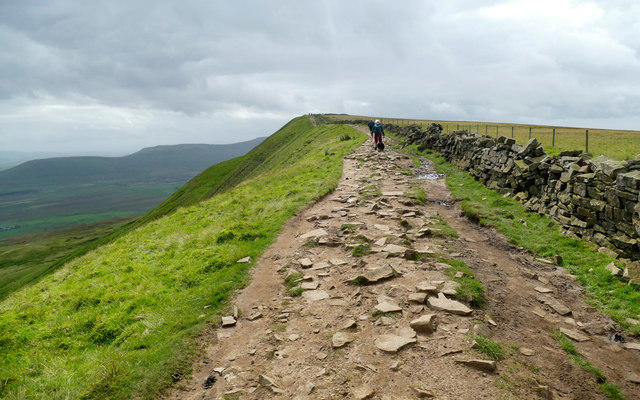 Photo could not load
SD7381 : The final romp, Cable Rake Top
Andy Waddington
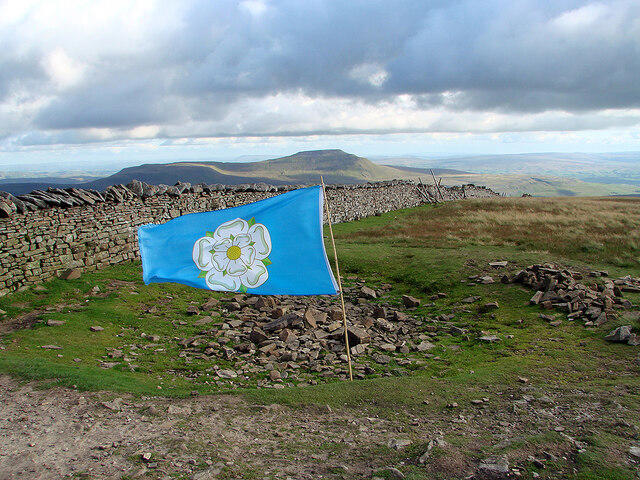 Photo could not load
SD7381 : White Rose
John Lucas
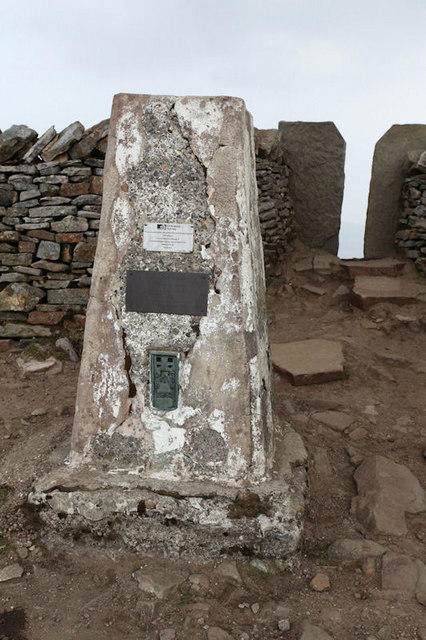 Photo could not load
SD7381 : Whernside trig point and stile
Andrew Whale
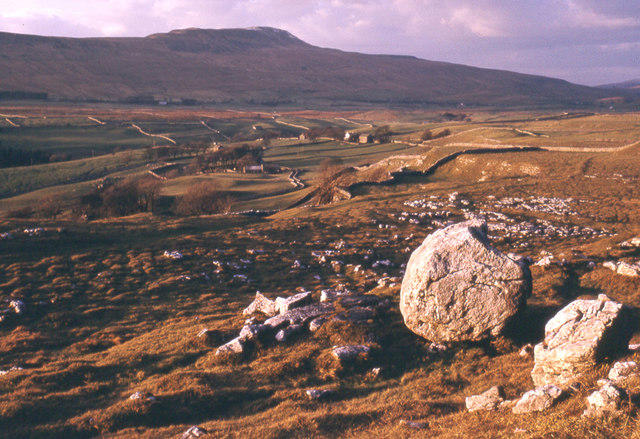 Photo could not load
SD7381 : Footpath on lower slopes of Ingleborough Hill
John Wray
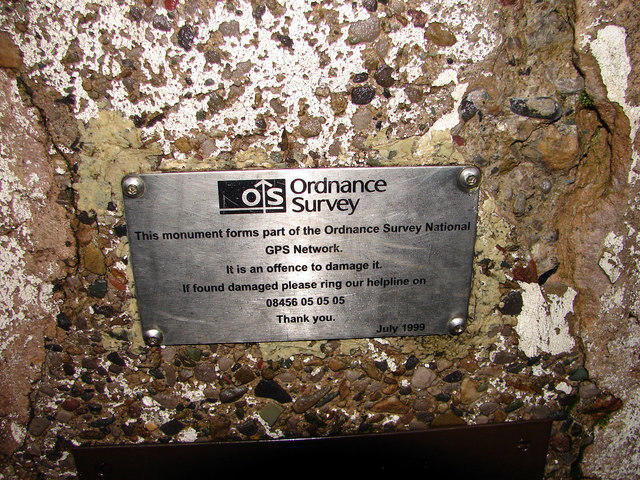 Photo could not load
SD7381 : Whernside Trig Point
John Lucas
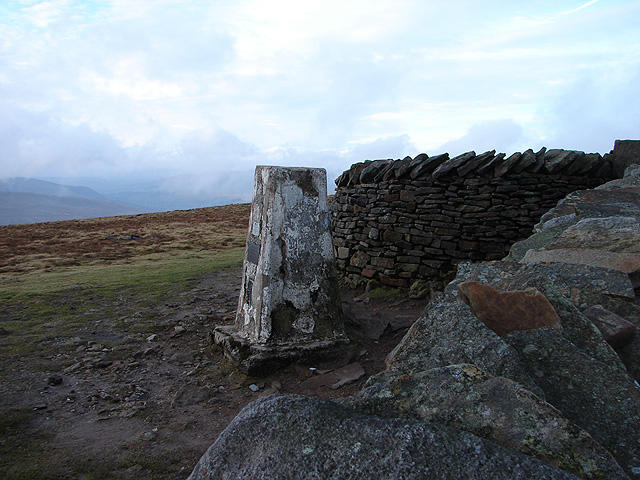 Photo could not load
SD7381 : Whernside Trig. Point
John Lucas
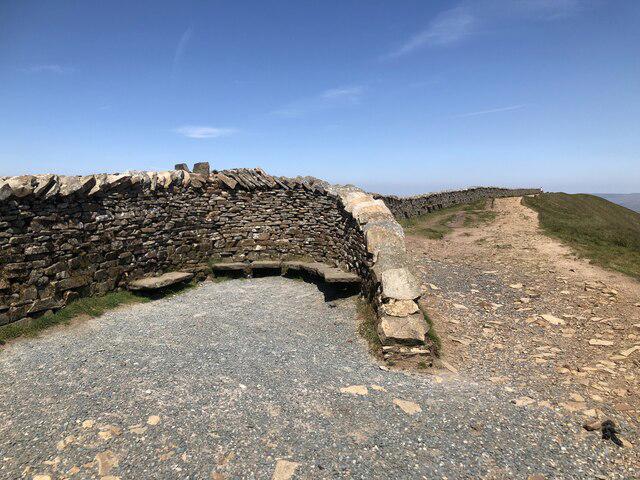 Photo could not load
SD7381 : Summit shelter, Whernside
David Robinson
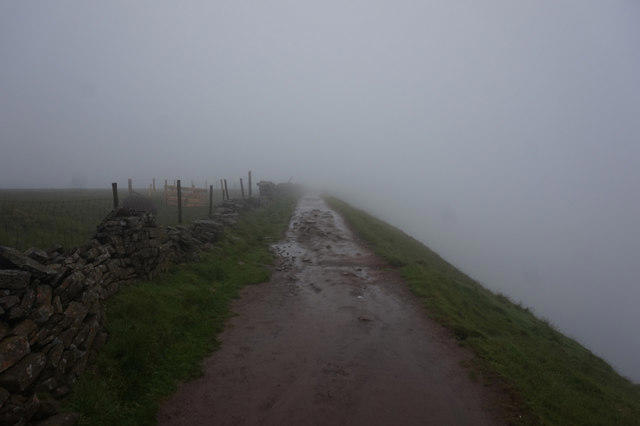 Photo could not load
SD7381 : 9-45am, Whernside summit
Ian S
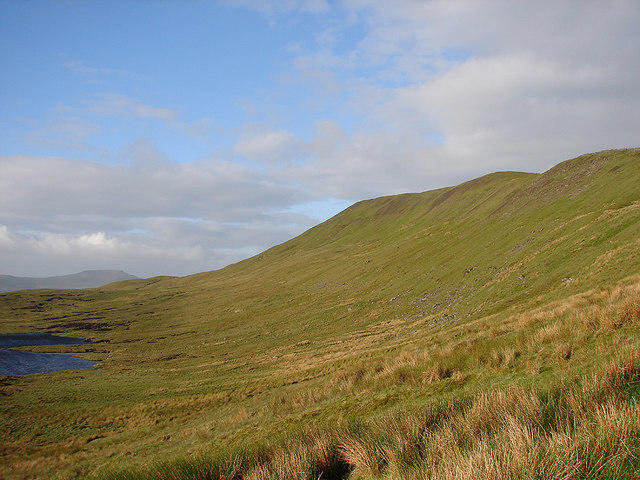 Photo could not load
SD7381 : Looking back up at Whernside summit
John Lucas
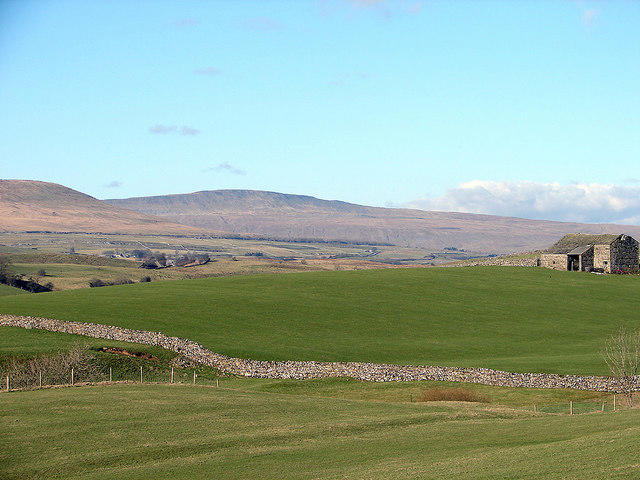
SD7381 : Whernide
John Lucas
Hill facts and local notes
Classifications
Elevation
737m
2,417 ft
Prominence
408m
Coordinates
54.2290, -2.4020
SD738815
OS Map
98
Explorer: OL2W
At the Summit
A trig pillar and stone shelter stand beside the summit wall. The Database of British and Irish Hills identifies the highest ground beside the path about 140 m north-north-east of the trig pillar; the pillar is not the recorded highest point.
Terrain & Geology
Whernside is built from Carboniferous sedimentary rocks, including repeating layers of limestone, shale and sandstone in the Yoredale succession. Limestone pavements are prominent in the surrounding lower landscape, but the mountain should not be described simply as a limestone summit plateau. Glacial erosion helped shape the slopes and valleys; the British Geological Survey records a former small cirque glacier at Whernside.
Views & Scenery
In clear weather the ridge gives views towards Ingleborough, Ribblehead Viaduct, the Howgills, the Lake District fells and Morecambe Bay. Low cloud can hide these views.
History & Heritage
Name Origin
The name is usually interpreted as a hillside associated with querns or millstones, from Old English cweorn and side. Published explanations vary in detail; no first-recorded year is asserted here.
Historical Significance
Whernside is one of the Yorkshire Three Peaks, alongside Ingleborough and Pen-y-ghent. The popular walking challenge links all three in a demanding circuit. Ribblehead and its viaduct are also part of the landscape’s Settle–Carlisle railway heritage.
Getting There & Facilities
Parking
For the standard Ribblehead circuit, the National Park gives SD766793, postcode LA6 3AS. Parking is limited to appropriate roadside lay-bys; do not park on the common, verges or passing places, or block gates and access. The common includes protected archaeological remains. No verified 20-car capacity is available. Dent village car park serves the specified Dent circuit; Kingsdale parking must be checked locally and cannot be assumed from a route start coordinate.
Public Transport
Ribblehead station on the Settle–Carlisle line is close to the usual eastern start. Check Northern’s current timetable, disruption notices and the last return train before planning the walk. Other starting points, including Dent village, need separate transport planning; do not assume a station is beside the village.
Nearby Facilities
There are no summit services. The Station Inn at Ribblehead offers refreshments subject to opening hours, and a tea wagon is sometimes present. The National Park lists no public toilets at the Ribblehead start; Northern likewise lists none at the station. Ingleton has shops and refreshments. Carry enough food and water for the whole walk.
Safety Information
Known Hazards
- The long summit ridge is exposed to strong wind, cold and low cloud. Carry a map and compass and know how to use them; do not rely on following other walkers or a phone signal.
- The Bruntscar descent is steep and stone-pitched, with rough rocky sections that can be slippery. Western descents can also be steep; stay on your planned route rather than taking shortcuts down the hillside.
- Some Dentdale and Kingsdale variants use faint paths, boggy ground and sections of road. Check the complete itinerary, conditions and daylight before setting out.
Seasonal Hazards
Snow and ice can make steep paths and stone steps hazardous and obscure the route. Winter skills and appropriate equipment, potentially including an ice axe and crampons, may be needed. Check the forecast and ground conditions, allow for short daylight, and choose a lower walk if conditions exceed your experience.
General Safety Tips
- Check weather conditions before setting out
- Carry appropriate clothing and equipment
- Let someone know your planned route
- Take a map, compass, and GPS device
- Carry emergency supplies: food, water, first aid kit, torch
Hills
Some common questions about the hills answered
Are there group walks up Whernside?
Many walkers use Walkmates to join or organise walks with others. You can check for group walks around Whernside through the maps
Are there other walkers around Whernside?
Activity varies by location and time, but Walkmates lets you see whether others have shared walks or shown interest in this area. Find other people through the walking friends search walking friends for Whernside search or of course create your own walk for Whernside
Can I organise a walk to Whernside?
Yes. If there aren’t any walks listed already, you can create a walk and make it available for others to join.
If you're signed up to Walkmates, you can create a walk to Whernside.
How do I find a walk up this hill?
There are often multiple ways to walk this hill, depending on experience and route preference. Walkmates helps you explore walks and routes that others have shared.
Can I suggest a new route up Whernside?
Yes. You can suggest or create routes to share with others. Walkmates focuses on the social side of walking, so routes are used to help people organise walks and explore areas together, rather than as detailed navigation tools or route libraries.
Other uses really appreciate knowledgeable walkers sharing their routes. Share your favourite route to Whernside here
The is an error or something incorrect about this hill. How do I let you know?
We always strive to keep the information on Walkmates as accurate as possible. If you find an error, please let us know through the contact form and we'll aim to correct it as quickly as possible
Community Discussion
Comments
Location
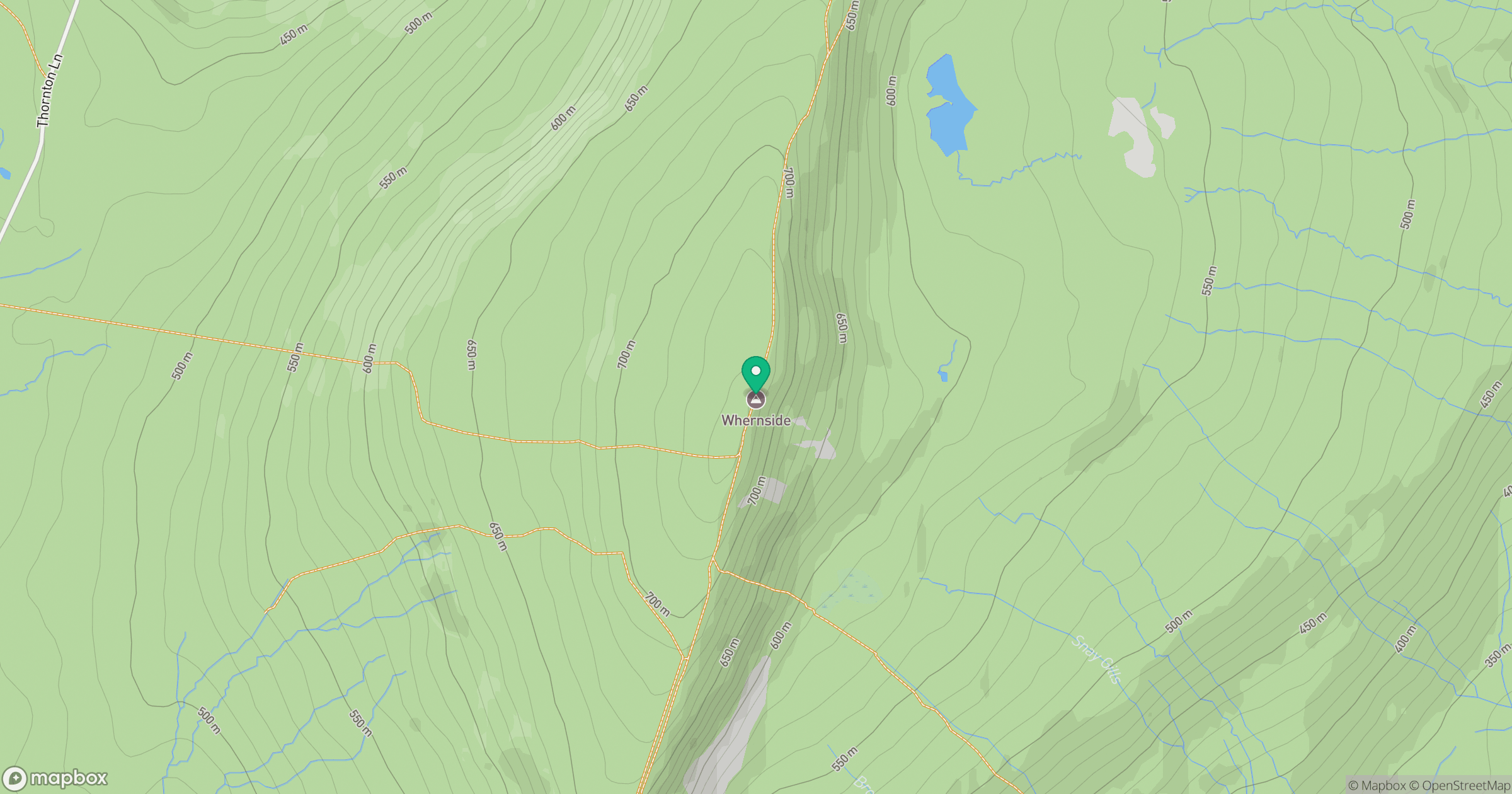
Grid reference: SD738815
View on OpenStreetMapOpens a map in a new tab, centred on the hill.
No comments yet. Be the first.