

Slieve Foye
Good walks are even better shared.
J1611 : The summit of Slieve Foye from Taaffe's Castle, Carlingford
Eric Jones Photo source
Overview
Slieve Foye rises to 587 m above Carlingford Lough and is County Louth’s highest mountain. Its true summit cairn lies north of the trig pillar. Summit routes climb rough mountain ground; the blue-arrow Slieve Foye Loop stays below the summit.
Slieve Foye
Overview
Slieve Foye, 587 m, is County Louth’s highest point, with 505 m prominence. The true high cairn lies 115 m north of the trig pillar and is recorded by DoBIH as 1 m above its base. Carlingford Mountain is the ridge of which Slieve Foye is the high point, not a separate 492 m neighbouring summit.
Carlingford summit return
From Carlingford seafront, climb the Commons Loop lanes and join the Táin Way to the Foye–Barnavave saddle. Ascend rough upper ground to the trig pillar, then continue 115 m north to the highest cairn. Return to the saddle and descend the Táin Way lanes into Carlingford. Tough Soles gives 9 km, 600 m ascent and two-and-a-half to four hours for its shorter trig-point return; allow extra for the cairn extension. Upper paths fade among wet ground and small cliffs.
Extended ridge circuit
From Carlingford climb via Maeve’s Gap to Slieve Foye’s high cairn, 115 m north of the trig. Follow the ridge northwest to Eagles Rock, descend through White Bog and cross Raven’s Rock and Foxes Rock. Descend east to the Táin Way and return by forest tracks to Carlingford. Mountaintrails gives approximately 17 km, 800 m ascent and six to six-and-a-half hours for its full circuit. Follow forest diversion signs where present; altered sections can change distance and time.
Blue-arrow Slieve Foye Loop
From Carlingford harbour Tourist Office follow blue arrows via River Road into forestry, then the fence-edge path to the Táin Way. Descend via the parish church and village square to the harbour. This loop does not reach the summit. Sport Ireland publishes normal-loop figures of 9.8 km, 270 m ascent and two hours thirty minutes; these exclude unmeasured diversion changes. Storm damage requires signed diversions. Dogs are prohibited.
Access and mountain safety
Carlingford harbour car park beside the Tourist Office is the village trailhead. Parking can be busy in summer and on bank holidays. Slieve Foye Woods has separate forest car parks; routes starting there have different distances. Carlingford has cafés, pubs and shops. Public toilets are reported behind the harbour car park and playground. Slieve Foye Woods has picnic areas and forest car parks. Carry food and water for the mountain. Check current Bus Éireann timetables for services to Carlingford and plan the return journey before travelling.
Upper paths can be faint, with confusing sheep tracks, steep rock and small cliffs; carry a map and compass and navigate carefully in mist. Wet ground and rock can be slippery, and the exposed summit and ridge can be windy. Sport Ireland reports storm damage and diversions on the blue-arrow Slieve Foye Loop. This is a forest-route diversion warning, not a confirmed summit closure. Follow signs on affected Táin Way return sections. Dogs are prohibited on the official Slieve Foye Loop. The described summit approach also crosses commonage with possible livestock and is listed as no dogs. Upper ground can be very wet in winter. Check the forecast and daylight, carry waterproofs and warm layers, and allow for slower travel in poor conditions.
Landscape and history
Slieve Foye’s angular crags are formed from hard gabbro, an igneous rock associated with the ancient Carlingford volcanic complex. Erosion along a fault forms a cleft followed by the ascent; the same fault crosses Barnavave at Maeve’s Gap. The mountain is part of Carlingford Mountain Special Area of Conservation, with protected upland heath, bog and rocky habitats. Local folklore connects Slieve Foye with Fionn Mac Cumhaill, said to have thrown the Cloghmore boulder across Carlingford Lough during a battle with another giant. This is a legend; the mountain’s rocks record an ancient volcanic landscape.
Views and nearby tops
Views extend across Carlingford Lough to the Mourne Mountains and over the Cooley Peninsula, Dundalk Bay and the Irish Sea. The ridge continues to The Eagles Rock (530 m), The Ravens Rock [Split Rock] (456 m) and The Foxes Rock (403 m). These heights follow DoBIH v18.6.
Explore routes near Slieve Foye
Walks starting near this hill. Open a route to check its map, distance and full itinerary.
Silent Valley to Ben Crom Dam: Reservoir Road Walk, County Down
View route
Tollymore Forest Park: Mountain and Drinns Trail
View route
Tollymore Forest Park: River Trail near Newcastle
View route
Castlewellan Forest Park: Lake, Arboretum and Mitchell's Lake Circuit
View route
Route planning notes
These notes describe possible approaches. Check a route's map and access information when planning your walk.
Slieve Foye high cairn from Carlingford (return)
From Carlingford seafront, climb the Commons Loop lanes and join the Táin Way to the Foye–Barnavave saddle. Ascend rough upper ground to the trig pillar, then continue 115 m north to the highest cairn. Return to the saddle and descend the Táin Way lanes into Carlingford. Tough Soles gives 9 km, 600 m ascent and two-and-a-half to four hours for its shorter trig-point return; allow extra for the cairn extension. Upper paths fade among wet ground and small cliffs.
Slieve Foye and Carlingford Mountain ridge circuit
From Carlingford climb via Maeve’s Gap to Slieve Foye’s high cairn, 115 m north of the trig. Follow the ridge northwest to Eagles Rock, descend through White Bog and cross Raven’s Rock and Foxes Rock. Descend east to the Táin Way and return by forest tracks to Carlingford. Mountaintrails gives approximately 17 km, 800 m ascent and six to six-and-a-half hours for its full circuit. Follow forest diversion signs where present; altered sections can change distance and time.
Slieve Foye Loop (blue arrows; does not reach summit)
From Carlingford harbour Tourist Office follow blue arrows via River Road into forestry, then the fence-edge path to the Táin Way. Descend via the parish church and village square to the harbour. This loop does not reach the summit. Sport Ireland publishes normal-loop figures of 9.8 km, 270 m ascent and two hours thirty minutes; these exclude unmeasured diversion changes. Storm damage requires signed diversions. Dogs are prohibited.
Make a day of it, together
Find someone to share the walk with, or organise a day out along a route you like.
Photo Gallery
View all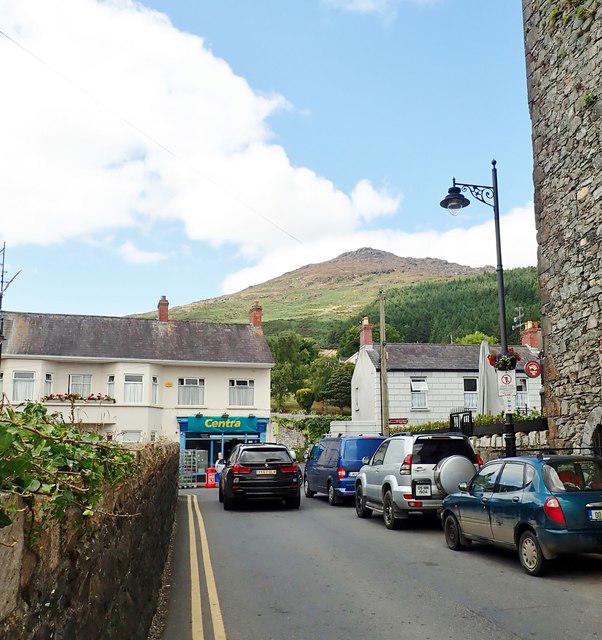 Photo could not load
J1611 : The summit of Slieve Foye from Taaffe's Castle, Carlingford
Eric Jones
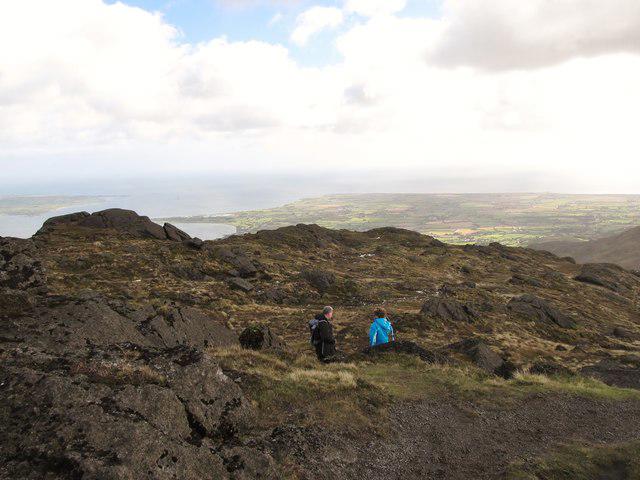 Photo could not load
J1611 : View southwards from the summit of Slieve Foye
Eric Jones
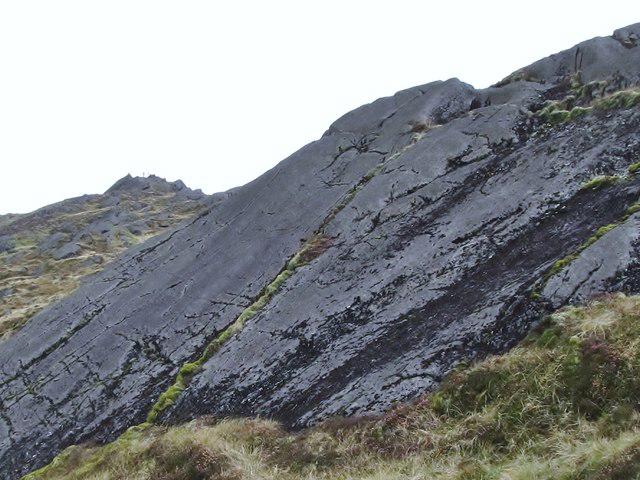 Photo could not load
J1611 : Ice smoothed rocks near the summit of Slieve Foye
Eric Jones
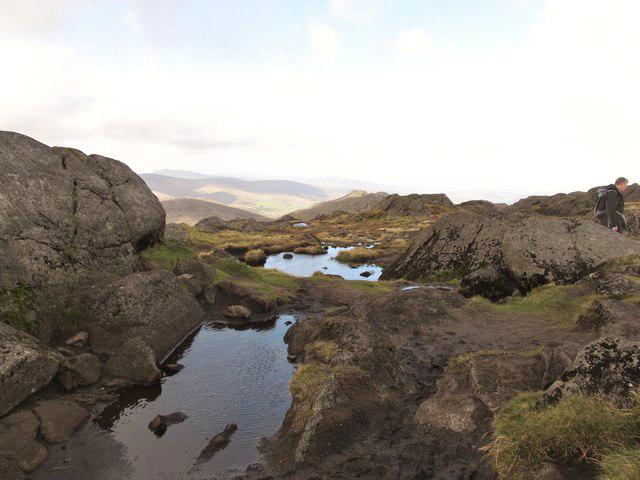 Photo could not load
J1611 : The highest pools in Co Louth
Eric Jones
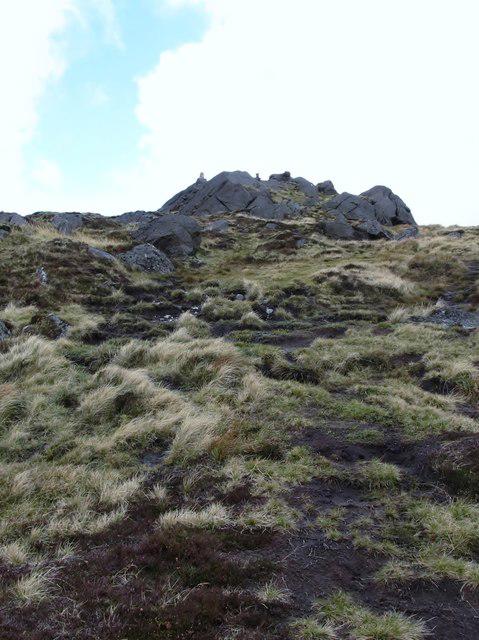 Photo could not load
J1611 : Path erosion just below the summit of Slieve Foye
Eric Jones
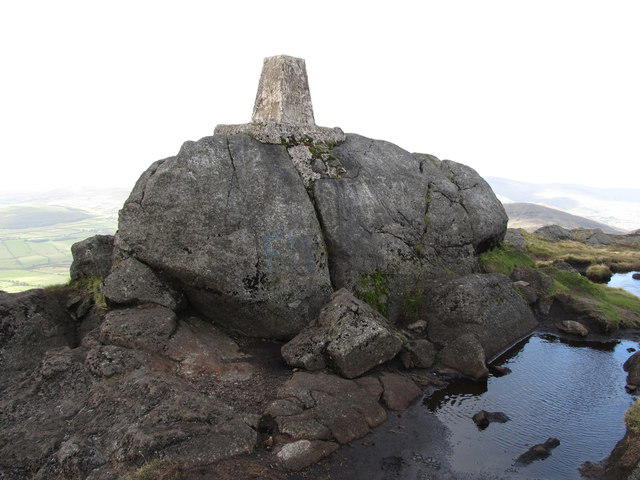 Photo could not load
J1611 : Triangulation pillar on the summit of Slieve Foye
Eric Jones
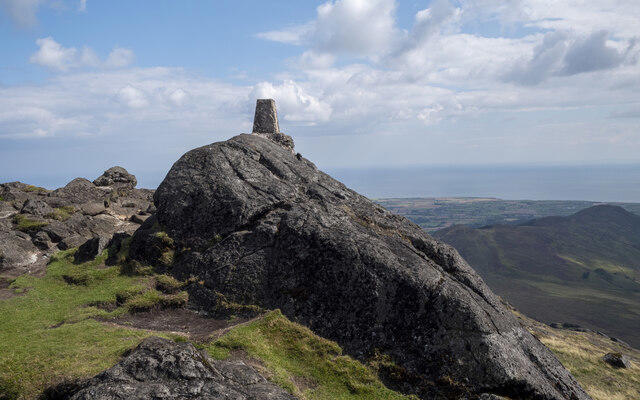 Photo could not load
J1611 : Slieve Foye Triangulation Pillar
Rossographer
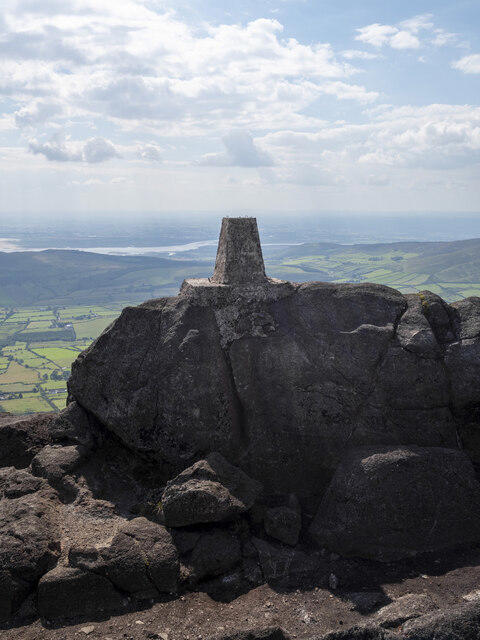 Photo could not load
J1611 : Slieve Foye Triangulation Pillar
Rossographer
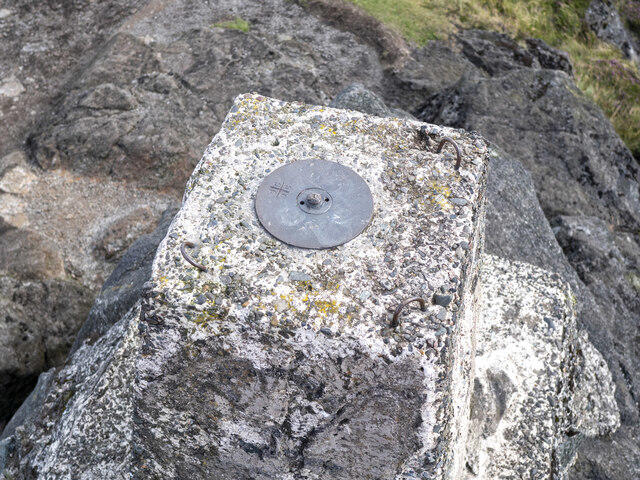 Photo could not load
J1611 : Slieve Foye Triangulation Pillar
Rossographer
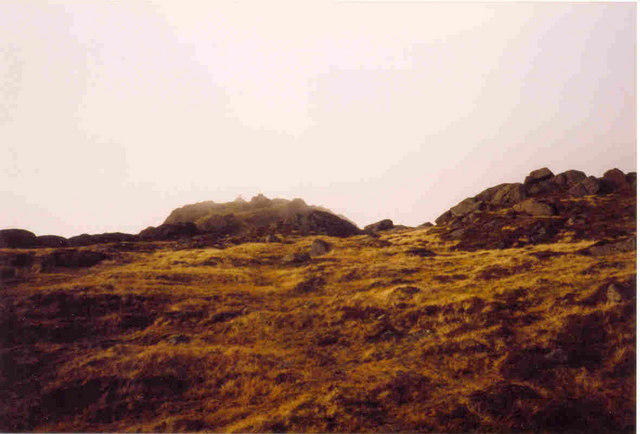
J1612 : Summit of Slieve Foye
Bill Griffiths
Hill facts and local notes
Classifications
Elevation
587m
1,926 ft
Prominence
505m
Coordinates
54.0444, -6.2163
J168120
OS Map
29 36
At the Summit
The highest point is the cairn 115 m north of the trig pillar, at J 16896 12049. DoBIH records it as 1 m higher than the trig-point base.
Terrain & Geology
Slieve Foye’s angular crags are formed from hard gabbro, an igneous rock associated with the ancient Carlingford volcanic complex. Erosion along a fault forms a cleft followed by the ascent; the same fault crosses Barnavave at Maeve’s Gap.
Views & Scenery
Views extend across Carlingford Lough to the Mourne Mountains and over the Cooley Peninsula, Dundalk Bay and the Irish Sea.
History & Heritage
Historical Significance
Local folklore connects Slieve Foye with Fionn Mac Cumhaill, said to have thrown the Cloghmore boulder across Carlingford Lough during a battle with another giant. This is a legend; the mountain’s rocks record an ancient volcanic landscape.
Getting There & Facilities
Parking
Carlingford harbour car park beside the Tourist Office is the village trailhead. Parking can be busy in summer and on bank holidays. Slieve Foye Woods has separate forest car parks; routes starting there have different distances.
Public Transport
Check current Bus Éireann timetables for services to Carlingford and plan the return journey before travelling.
Nearby Facilities
Carlingford has cafés, pubs and shops. Public toilets are reported behind the harbour car park and playground. Slieve Foye Woods has picnic areas and forest car parks. Carry food and water for the mountain.
Safety Information
Known Hazards
- Upper paths can be faint, with confusing sheep tracks, steep rock and small cliffs; carry a map and compass and navigate carefully in mist.
- Wet ground and rock can be slippery, and the exposed summit and ridge can be windy.
- Sport Ireland reports storm damage and diversions on the blue-arrow Slieve Foye Loop. This is a forest-route diversion warning, not a confirmed summit closure. Follow signs on affected Táin Way return sections.
- Dogs are prohibited on the official Slieve Foye Loop. The described summit approach also crosses commonage with possible livestock and is listed as no dogs.
Seasonal Hazards
Upper ground can be very wet in winter. Check the forecast and daylight, carry waterproofs and warm layers, and allow for slower travel in poor conditions.
General Safety Tips
- Check weather conditions before setting out
- Carry appropriate clothing and equipment
- Let someone know your planned route
- Take a map, compass, and GPS device
- Carry emergency supplies: food, water, first aid kit, torch
Hills
Some common questions about the hills answered
Are there group walks up Slieve Foye?
Many walkers use Walkmates to join or organise walks with others. You can check for group walks around Slieve Foye through the maps
Are there other walkers around Slieve Foye?
Activity varies by location and time, but Walkmates lets you see whether others have shared walks or shown interest in this area. Find other people through the walking friends search walking friends for Slieve Foye search or of course create your own walk for Slieve Foye
Can I organise a walk to Slieve Foye?
Yes. If there aren’t any walks listed already, you can create a walk and make it available for others to join.
If you're signed up to Walkmates, you can create a walk to Slieve Foye.
How do I find a walk up this hill?
There are often multiple ways to walk this hill, depending on experience and route preference. Walkmates helps you explore walks and routes that others have shared.
Can I suggest a new route up Slieve Foye?
Yes. You can suggest or create routes to share with others. Walkmates focuses on the social side of walking, so routes are used to help people organise walks and explore areas together, rather than as detailed navigation tools or route libraries.
Other uses really appreciate knowledgeable walkers sharing their routes. Share your favourite route to Slieve Foye here
The is an error or something incorrect about this hill. How do I let you know?
We always strive to keep the information on Walkmates as accurate as possible. If you find an error, please let us know through the contact form and we'll aim to correct it as quickly as possible
Community Discussion
Comments
Location
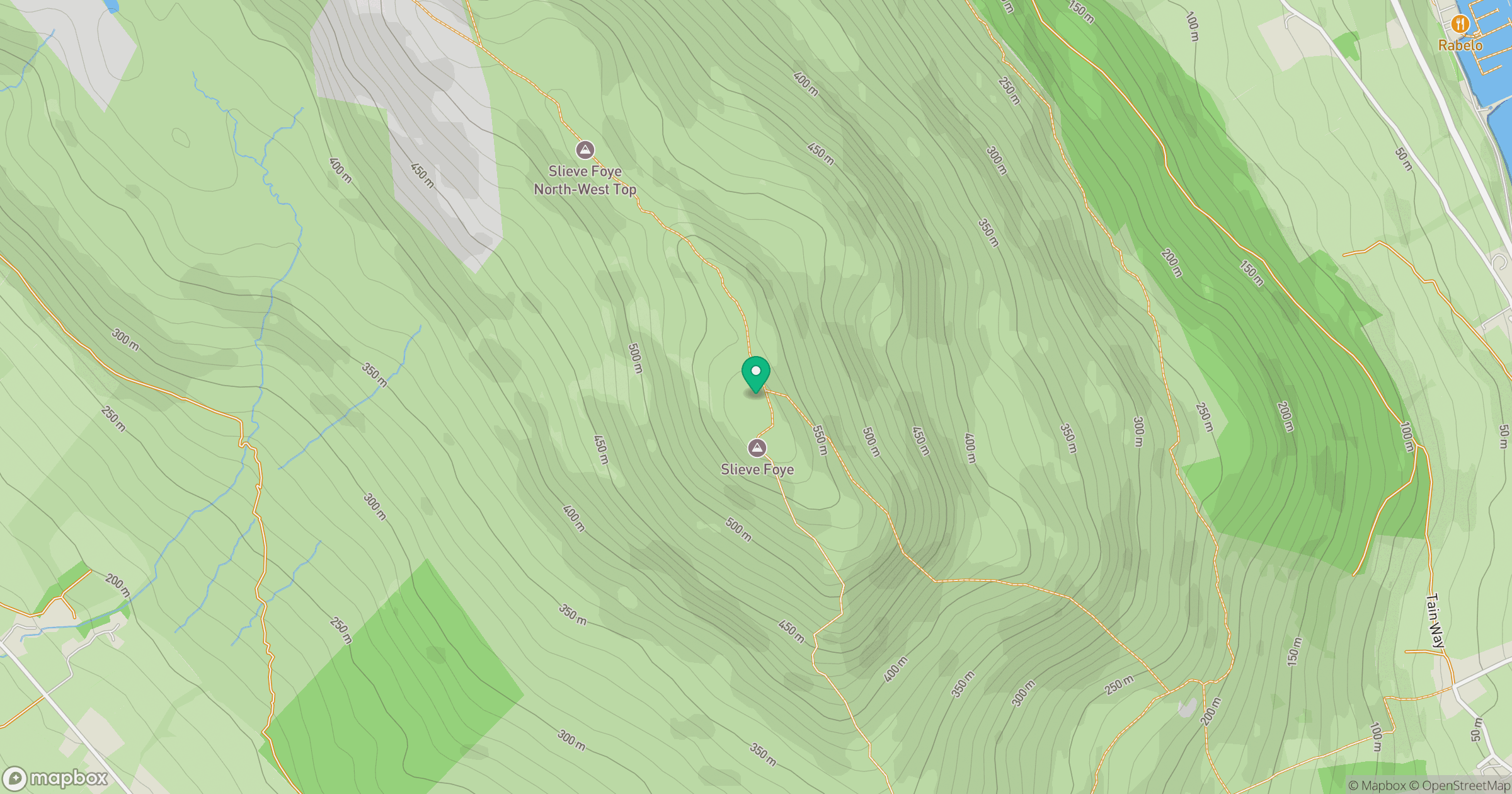
Grid reference: J168120
View on OpenStreetMapOpens a map in a new tab, centred on the hill.
Nearby Hills
Slieve Gullion
576m
Slieve Binnian
746m
Slieve Bearnagh
739m
Slievelamagan
702m
Slieve Commedagh
767m
No comments yet. Be the first.