

Slieve Commedagh
Good walks are even better shared.
J3428 : View south-west from the summit of Slieve Commedagh towards the Mourne Wall
Eric Jones Photo source
Overview
Slieve Commedagh rises to 767 m above Newcastle in County Down, Northern Ireland. It is the second-highest mountain in the Mournes, with a summit cairn set back from the Mourne Wall and views across the range and the coast.
Slieve Commedagh
Overview and summit
Slieve Commedagh is the 767 m mountain above Newcastle in County Down, Northern Ireland, and the second-highest summit in the Mournes. Its summit cairn lies a short distance north-east of the stone shelter tower on the Mourne Wall. The wall, tower and Donard–Commedagh saddle are separate landmarks, not substitutes for reaching the cairn.
The catalogue retains the DoBIH height of 767 m, prominence of 184 m and grid reference J346286. Some OSNI-based walking guides use 765 m; MountainViews gives 767 m and a prominence of 180 m. These are different published conventions, not evidence of a new survey here.
Routes
- Glen River out and back: start at Donard Park, ascend through the forest to the saddle, then turn right/north-west for Commedagh when arriving from the Glen River. Visit the cairn beyond the tower and retrace the route to Donard Park. The left/south-east climb from the saddle is Donard.
- Hare’s Gap and Brandy Pad out and back: from Meelmore Lodge, use the Trassey approach and Brandy Pad below the southern slopes, then the ascending branch to the Donard–Commedagh saddle and the north-west climb. Return by the same route to Meelmore Lodge.
- Shan Slieve and Slievenamaddy circuit: the published Mud and Routes route starts at Donard Park, ascends by the Glen River, visits Commedagh and descends through Shan Slieve, Slievenamaddy Ridge and Donard Forest. Its 8.99 km / 4-hour estimate is for that full circuit. Faint paths, steep grass and nearby cliffs make the northern descent unsuitable in poor visibility.
- Bloody Bridge out and back: reach the Bog of Donard, continue on the Brandy Pad and take the branch to the Donard–Commedagh saddle before climbing Commedagh. Retrace to Bloody Bridge. Climbing beside the wall straight from the Bog of Donard instead reaches Donard.
- Seven Sevens: the complete Newcastle circuit is about 30.5 km, typically 10–12 hours, and visits seven traditional summits. Only six exceed 700 m; Meelmore is lower. It is a major endurance undertaking, not a short Commedagh ascent.
Terrain, geology and views
The Glen River approach has forest paths, rough stonework and pitched sections; the climb above the saddle is steep. The summit is broad, with grassy ground and nearby craggy slopes. In clear conditions there are views of Newcastle, the County Down coast, the Irish Sea, the Annalong Valley and the surrounding Mournes.
The mountain belongs to the Mourne granite complex, formed below the surface about 56 million years ago. Glaciation later shaped the wider landscape. The Castles are granite tors on Commedagh’s southern slopes.
Access and facilities
Donard Park is the principal Glen River start. Meelmore Lodge provides paid parking and mountain access for the western approach; Bloody Bridge serves the coastal approach. Newcastle has shops and places to eat, and public toilets are listed at Donard Park and Bloody Bridge. Check local opening and access notices. Translink serves Newcastle, including service 520 from Belfast; check your date and return connection.
Use established paths, gates and stiles, keep dogs on leads around livestock, and take waste home. Many Mourne routes cross private land by landowner goodwill rather than a general right to roam. Keep to repaired paths to protect fragile vegetation, and do not walk along the top of the Mourne Wall.
Safety
Wet rocks, roots, stone steps, loose material and steep grass can cause slips. Keep clear of crag edges, particularly on the northern descent near the Pot of Pulgarve. Cloud can obscure both the summit cairn and the correct descent. River crossings on the Trassey and Bloody Bridge approaches may become unsafe in spate; never force a crossing. Take care crossing the busy road at Bloody Bridge.
Check mountain weather, plan a route within the whole group’s ability and carry independent navigation, warm waterproof clothing, food, water, a headtorch and emergency shelter. Snow and ice require winter skills and equipment. Mobile reception is unreliable. In an emergency call 999 or 112 and ask for Police, then Mountain Rescue.
Name and heritage
Sliabh Coimhéideach means watching or guarding mountain. The Mourne Wall was built between 1904 and 1922 to enclose the reservoir water catchment, and Commedagh has one of its three stone shelter towers. The Brandy Pad preserves the history of eighteenth-century smuggling across the Mournes.
Explore routes near Slieve Commedagh
Walks starting near this hill. Open a route to check its map, distance and full itinerary.
Tollymore Forest Park: River Trail near Newcastle
View route
Tollymore Forest Park: Mountain and Drinns Trail
View route
Newcastle, Co. Down (NI) with Men Walking & Talking
View route
Silent Valley to Ben Crom Dam: Reservoir Road Walk, County Down
View route
Route planning notes
These notes describe possible approaches. Check a route's map and access information when planning your walk.
Glen River from Donard Park (out and back)
From Donard Park, climb the Glen River path through the forest to the Donard–Commedagh saddle. Arriving from Glen River, turn right/north-west beside the wall for Commedagh; left/south-east leads to Donard. Reach the summit cairn north-east of the wall tower. Return to the tower and saddle, then retrace Glen River to Donard Park. This is a steep mountain walk; wet stone pitching is slippery.
Hare’s Gap and Brandy Pad from Meelmore Lodge (out and back)
From Meelmore Lodge, take the Trassey Track to Hare’s Gap and the Brandy Pad below Commedagh towards the Castles. Take the rising branch to the Donard–Commedagh saddle, then climb north-west beside the wall and reach the cairn beyond the tower. Retrace via the saddle, Brandy Pad, Hare’s Gap and Trassey Track to Meelmore Lodge. Rough ground and stream crossings require care.
Glen River, Shan Slieve and Slievenamaddy circuit
Mud and Routes’ full Donard Park circuit: ascend Glen River and the Donard–Commedagh saddle to the summit cairn, then descend via Shan Slieve, Slievenamaddy Ridge and Donard Forest to rejoin Glen River and return to the car park. Published distance/time: 8.99 km/4 hours. The northern descent has steep grass, intermittent paths and cliff edges near the Pot of Pulgarve. Confident navigation is essential; avoid this circuit in poor visibility.
Bloody Bridge and Brandy Pad (out and back)
From Bloody Bridge car park, cross the busy road and climb via the river/quarry path to the Bog of Donard. Continue on the Brandy Pad and take the branch to the Donard–Commedagh saddle, then climb north-west to Commedagh’s cairn beyond the wall tower. Return by the same route to Bloody Bridge. Following the wall uphill from the Bog leads onto Donard instead. River crossings may be unsafe in spate.
Mourne Seven Sevens (full challenge circuit)
Full Newcastle-to-Newcastle circuit: Donard, Commedagh, Bearnagh, Meelmore, Meelbeg, Binnian and Slievelamagan. Lagan Valley Orienteers gives about 30.5 km and typically 10–12 hours; some take longer. These figures cover the whole challenge. Only six of the traditional seven exceed 700 m; Meelmore is lower. An unwaymarked endurance route for experienced, self-reliant mountain walkers; plan every leg and descent.
Make a day of it, together
Find someone to share the walk with, or organise a day out along a route you like.
Photo Gallery
View all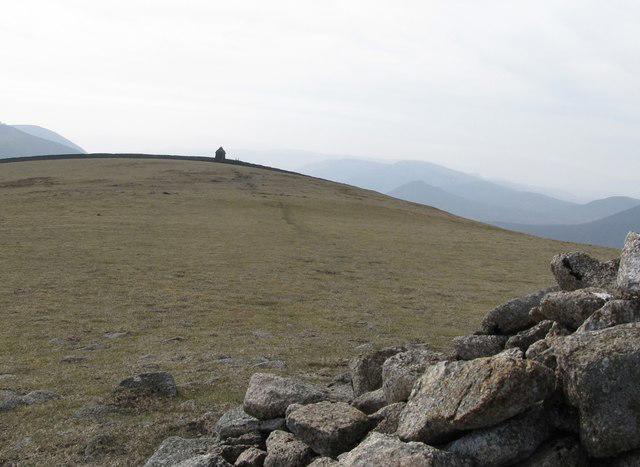 Photo could not load
J3428 : View south-west from the summit of Slieve Commedagh towards the Mourne Wall
Eric Jones
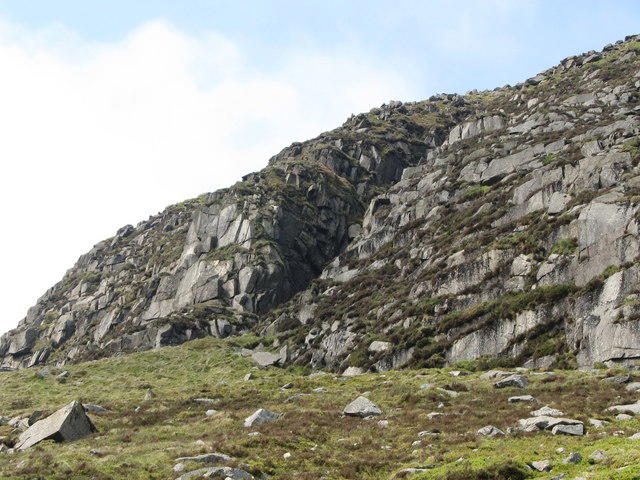 Photo could not load
J3428 : Stream carved cleft in the scar on Slieve Commedagh
Eric Jones
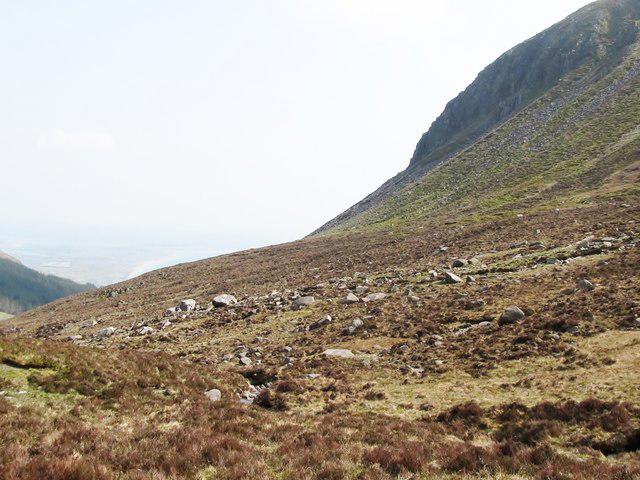 Photo could not load
J3428 : View north eastwards down the Glen River Valley
Eric Jones
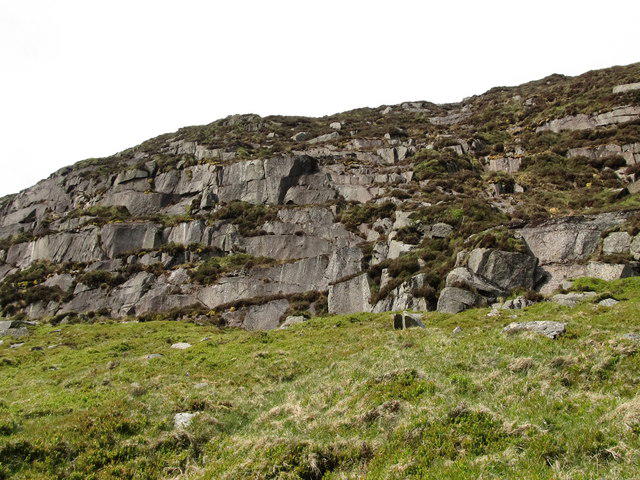 Photo could not load
J3428 : Rocky scar on the upper slopes of Slieve Commedagh
Eric Jones
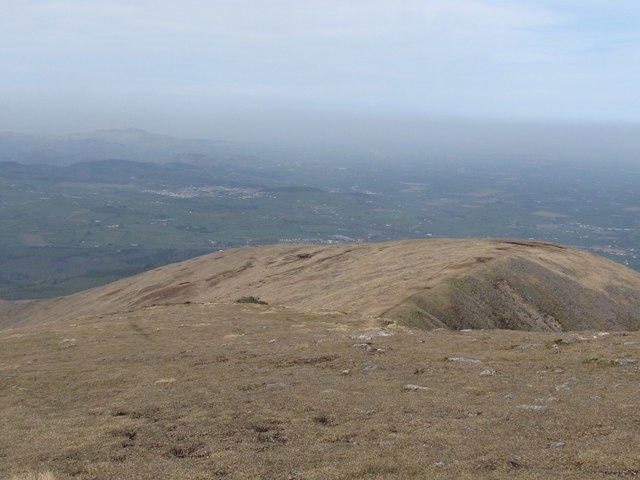 Photo could not load
J3428 : Sketchy path descending from the summit of Slieve Commedagh towards the col
Eric Jones
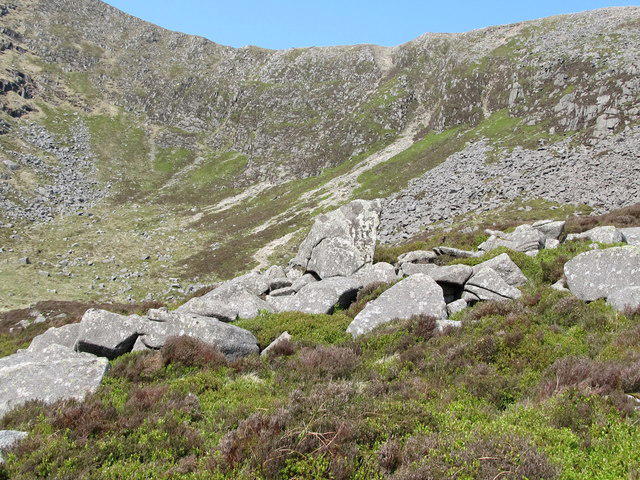 Photo could not load
J3428 : The rear wall of the Pot of Pulgarve corrie
Eric Jones
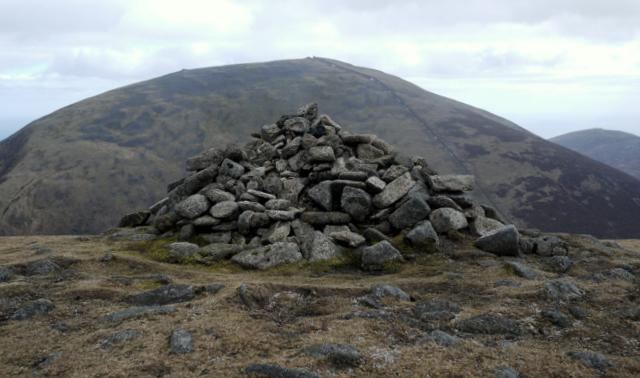 Photo could not load
J3428 : Summit cairn, Slieve Commedagh
Rossographer
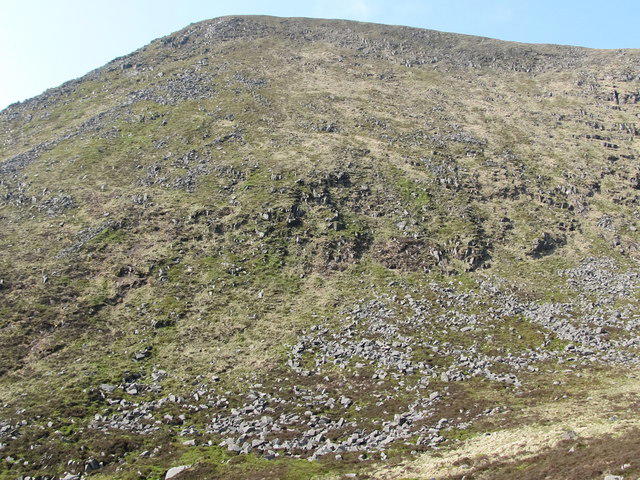 Photo could not load
J3428 : The flank of Slieve Commedagh from the Pot of Pulgarve
Eric Jones
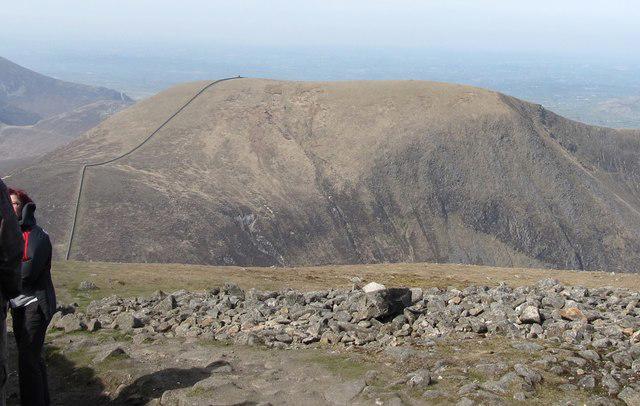 Photo could not load
J3428 : Slieve Commedagh from the summit of Slieve Donard
Eric Jones
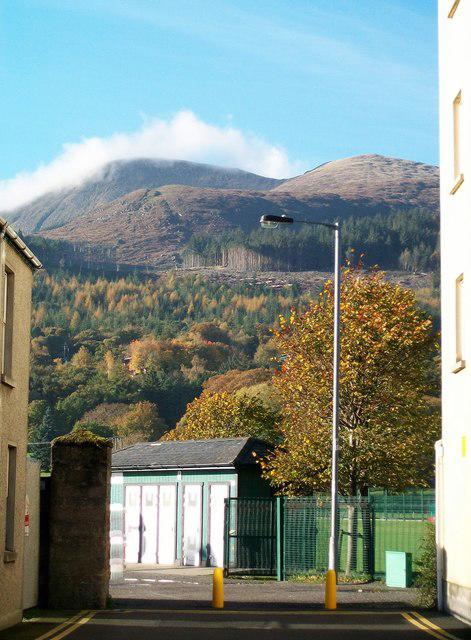
J3428 : Shan Slieve and Slieve Commedagh from Bryansford Place
Eric Jones
Hill facts and local notes
Classifications
Elevation
767m
2,516 ft
Prominence
184m
Coordinates
54.1887, -5.9388
J346286
OS Map
29
At the Summit
A cairn marks the summit on the broad upper ground, a short distance north-east of the stone shelter tower on the Mourne Wall. The tower is a separate landmark: reaching it does not by itself reach the summit cairn.
Terrain & Geology
Slieve Commedagh is part of the Mourne granite mountains. The granite formed from magma that cooled below ground around 56 million years ago; later glaciation helped shape the surrounding valleys and corries. The Castles are granite tors on the southern side of the mountain.
Views & Scenery
In clear weather the upper mountain gives views towards Newcastle, the County Down coast and the Irish Sea, with the Annalong Valley and many of the Mourne summits inland. Slieve Donard rises across the saddle to the south-east.
History & Heritage
Name Origin
The Irish name is Sliabh Coimhéideach, meaning 'watching' or 'guarding mountain'.
Historical Significance
The Mourne Wall, built between 1904 and 1922 to enclose the reservoir water catchment, passes close to the summit. Commedagh has one of its three stone shelter towers. The Brandy Pad below the southern slopes recalls the area’s eighteenth-century smuggling routes.
Getting There & Facilities
Parking
Donard Park in Newcastle is the main parking place for the Glen River approach. Meelmore Lodge offers paid parking and mountain access for routes via the Trassey Track and Hare’s Gap; Bloody Bridge car park serves the approach from the coast. Follow parking signs and keep entrances clear.
Public Transport
Translink serves Newcastle, including the Belfast–Newcastle 520. Donard Park is at the southern end of the town. Check the journey planner for your walking date and last return service; other trailheads need a separately planned connection.
Nearby Facilities
Public toilets are listed at Donard Park and Bloody Bridge; check current opening notices. Newcastle has shops and places to eat. Meelmore Lodge has toilets and a bistro, subject to its opening arrangements. Carry the food and water needed for the whole walk.
Safety Information
Known Hazards
- Wet granite, stone steps, tree roots and loose stones can be slippery, particularly on the Glen River descent. Take care near river edges and steep drops.
- Cloud obscures the upper ground. From Glen River at the saddle, Commedagh is right/north-west; the other climb is Donard. Locate the cairn beyond the wall tower and identify your return route.
- The Shan Slieve and Slievenamaddy circuit passes near cliffs around the Pot of Pulgarve and uses faint or intermittent paths on steep grass. It needs confident navigation and is unsuitable in poor visibility.
- Trassey and Bloody Bridge approaches include river crossings that may be unsafe in spate. Do not force a crossing. The Bloody Bridge start also involves crossing the busy coastal road.
- Changing weather and winter conditions demand suitable skills and equipment. Carry map and compass, a headtorch and emergency shelter; mobile reception is unreliable. In an emergency call 999 or 112, ask for Police, then Mountain Rescue.
Seasonal Hazards
Rain can make stone pitching and grass slippery and swell streams. Snow or ice changes these into winter mountain routes requiring suitable equipment and the skills to use it. Keep dogs on leads around livestock and follow local access notices; take litter and dog waste home.
General Safety Tips
- Check weather conditions before setting out
- Carry appropriate clothing and equipment
- Let someone know your planned route
- Take a map, compass, and GPS device
- Carry emergency supplies: food, water, first aid kit, torch
Hills
Some common questions about the hills answered
Are there group walks up Slieve Commedagh?
Many walkers use Walkmates to join or organise walks with others. You can check for group walks around Slieve Commedagh through the maps
Are there other walkers around Slieve Commedagh?
Activity varies by location and time, but Walkmates lets you see whether others have shared walks or shown interest in this area. Find other people through the walking friends search walking friends for Slieve Commedagh search or of course create your own walk for Slieve Commedagh
Can I organise a walk to Slieve Commedagh?
Yes. If there aren’t any walks listed already, you can create a walk and make it available for others to join.
If you're signed up to Walkmates, you can create a walk to Slieve Commedagh.
How do I find a walk up this hill?
There are often multiple ways to walk this hill, depending on experience and route preference. Walkmates helps you explore walks and routes that others have shared.
Can I suggest a new route up Slieve Commedagh?
Yes. You can suggest or create routes to share with others. Walkmates focuses on the social side of walking, so routes are used to help people organise walks and explore areas together, rather than as detailed navigation tools or route libraries.
Other uses really appreciate knowledgeable walkers sharing their routes. Share your favourite route to Slieve Commedagh here
The is an error or something incorrect about this hill. How do I let you know?
We always strive to keep the information on Walkmates as accurate as possible. If you find an error, please let us know through the contact form and we'll aim to correct it as quickly as possible
Community Discussion
Comments
Location
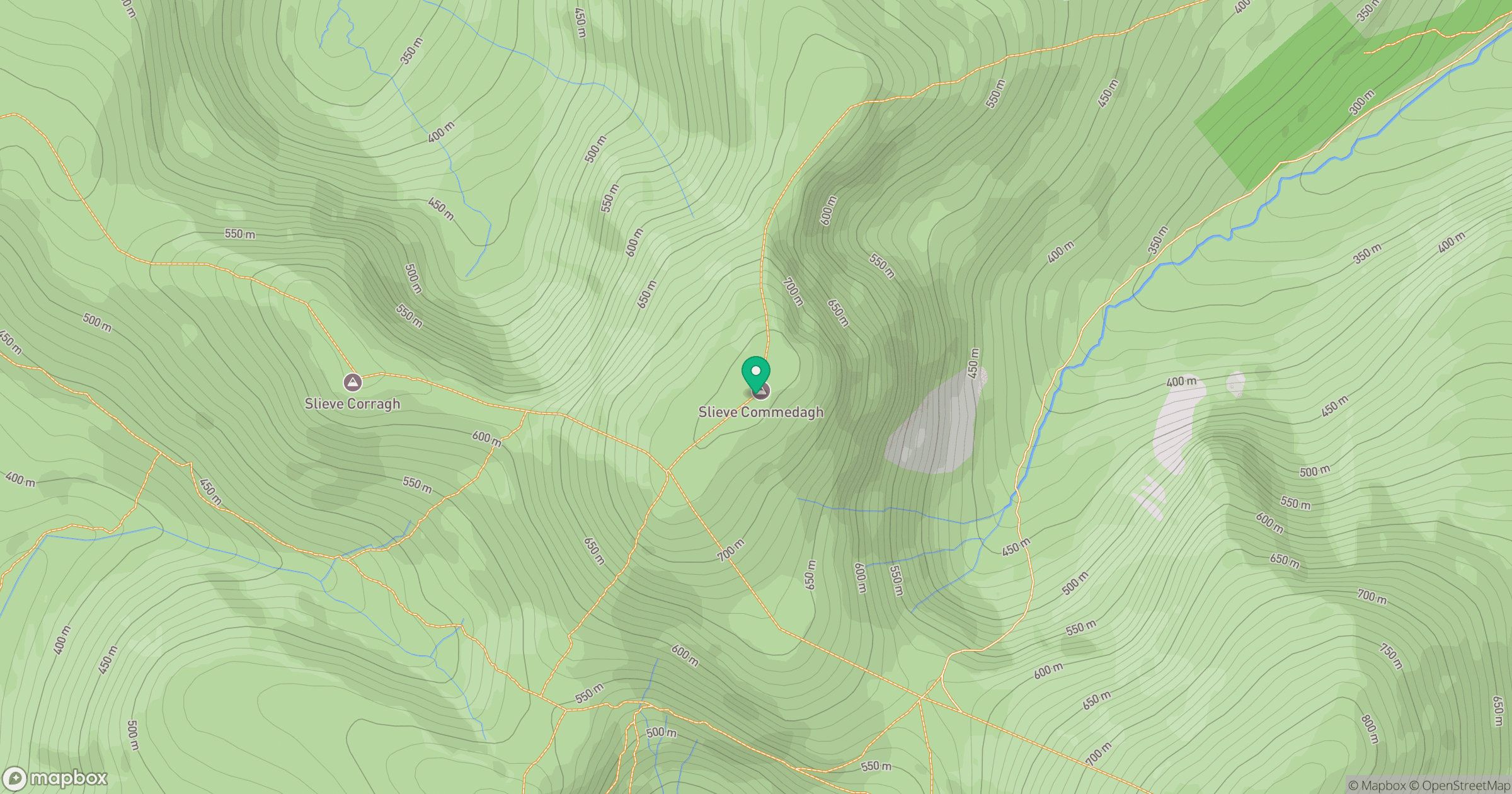
Grid reference: J346286
View on OpenStreetMapOpens a map in a new tab, centred on the hill.
No comments yet. Be the first.