

Leith Hill
Good walks are even better shared.
TQ1343 : Tower on Leith Hill, Surrey
Roger Cornfoot Photo source
Overview
Leith Hill is Surrey’s highest natural summit at 294 m, with woodland, heathland and views across the Weald. Its eighteenth-century tower stands beside the grassy summit knoll. Choose a short stepped ascent or a longer waymarked circuit through the estate.
Leith Hill
Leith Hill is Surrey’s highest natural summit at 294 m (965 ft), on the wooded Greensand ridge southwest of Dorking. Its 247 m prominence qualifies it as a Marilyn. The natural high point is a grassy knoll with a seat, about 20 m northwest of the tower; the knoll is 0.7 m above the ground at the tower’s base.
The hill and the tower
The Grade II-listed folly was built for Richard Hull in 1764–65. Its battlements and stair turret were added in 1864, so the original building predates the Victorian period. The tower’s viewing platform is above 1,000 ft above sea level; this is separate from the hill’s elevation. Clear-weather views reach across the Weald towards the South Downs, with the London skyline to the north. The English Channel is a distant, visibility-dependent view from the tower.
The tower and Leith Hill Place are closed for winter 2026/27, with reopening planned for spring 2027. The refreshment kiosk at the foot of the tower has separate opening arrangements.
Choosing a walk
The orange woodland circuit starts and finishes at Windy Gap, visiting Leith Hill Place, Rhododendron Wood and the tower. Allow 1–2 hours for its 4 km; the return includes a substantial flight of steps. The green heathland circuit starts and ends at the tower, visiting Duke’s Warren and Coldharbour cricket pitch. Its 3.04 km and approximately one hour exclude reaching the tower from a car park. Both routes include steep ground despite their easy published grades.
Windy Gap is the short, stepped approach; Starveall Corner provides a longer, gentler approach. Landslip is another steep approach. Car parks have different charging arrangements, so use the named parking information rather than a single generic “Leith Hill car park”. There are no toilets at the tower; house facilities depend on Leith Hill Place being open.
Landscape and history
Resistant chert at the top of the Hythe Beds protects softer sands beneath. Lower down, these rest on Atherfield Clay and Weald Clay, helping explain the steep escarpment and spring lines. The surrounding landscape mixes woodland, parkland and heath. Rhododendron Wood is particularly colourful in May and June; Duke’s Warren supports sensitive heathland wildlife.
Leith Hill Place was Ralph Vaughan Williams’ childhood home. In its grounds, Darwin’s worm stone recalls his studies of earthworms and soil movement. The hill’s name is usually associated with Old English hlith, a slope or hillside.
Underfoot
Expect uneven paths, steep sections and steps rather than a uniformly level stroll. Wet ground can be slippery. The woodland circuit crosses roads and farmland; the heathland route shares sections with cyclists. Keep dogs controlled around grazing animals and follow seasonal wildlife signs.
Explore routes near Leith Hill
Walks starting near this hill. Open a route to check its map, distance and full itinerary.
Leith Hill: woodland circuit from Starveall Corner
View route
Prospects of Polesden from Denbies Hillside
View route
Box Hill - Stepping Stones Circuit
View route
Box Hill Hike: Mickleham and Headley Heath full circuit
View route
Route planning notes
These notes describe possible approaches. Check a route's map and access information when planning your walk.
Leith Hill woodland walk from Windy Gap
Windy Gap car park (TQ139429) → Lime Avenue → farmland beside Leith Hill Place → Rhododendron Wood and its car park → road crossings → Greensand Way → Leith Hill Tower → steep steps back to Windy Gap. Follow orange waymarks. Full circuit: 4 km, 1–2 hours. Includes a stile, road sections and steep, uneven ground.
Leith Hill heathland circuit from the tower
Leith Hill Tower → Duke’s Warren ridge → above Tilling Springs → heathland and kissing gate → Coldharbour cricket pitch → woodland past the stone pits → original crossroads → climb back to the tower. Follow green waymarks. Full circuit: 3.04 km, about 1 hour, with a steep final ascent. Car-park approach and return are additional.
Make a day of it, together
Find someone to share the walk with, or organise a day out along a route you like.
Photo Gallery
View all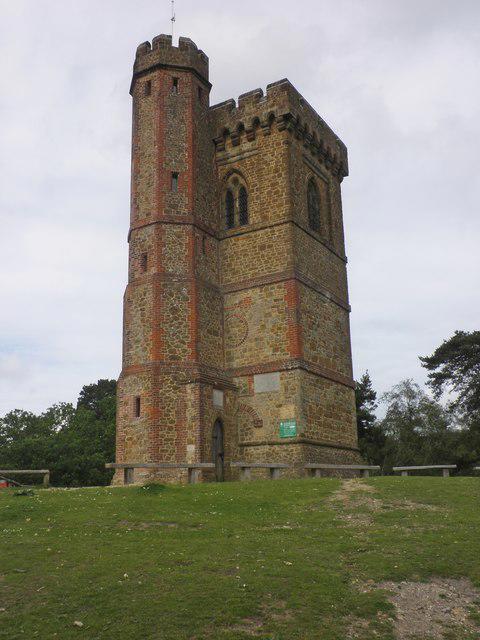 Photo could not load
TQ1343 : Tower on Leith Hill, Surrey
Roger Cornfoot
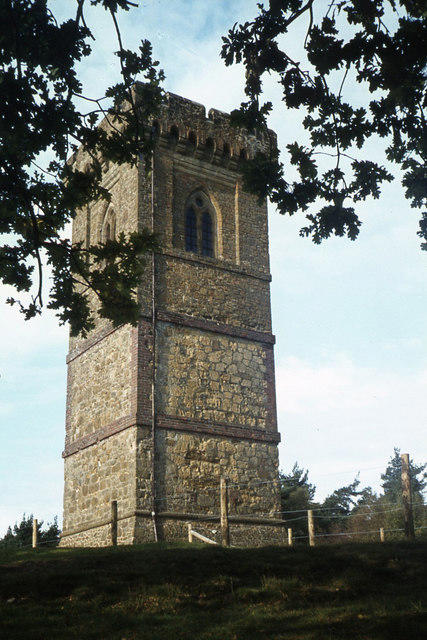 Photo could not load
TQ1343 : Leith Hill Tower
Colin Park
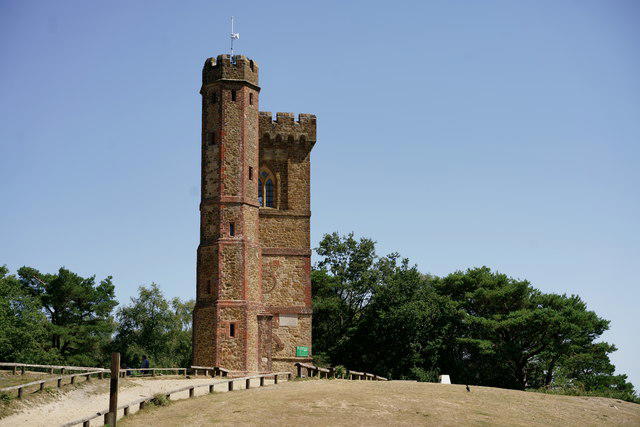 Photo could not load
TQ1343 : Leith Hill Tower
Peter Trimming
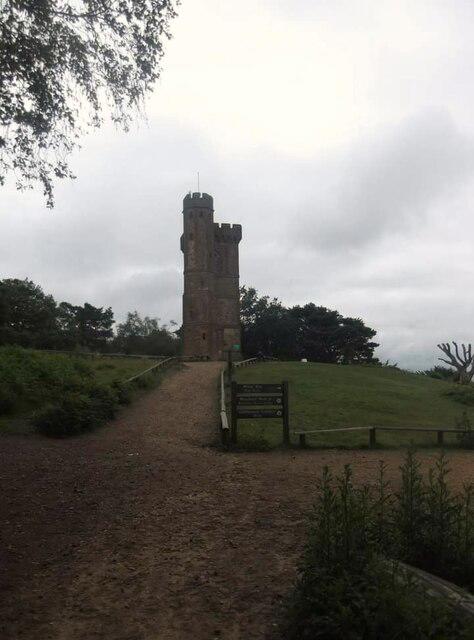 Photo could not load
TQ1343 : Leith Hill Tower
Alex McGregor
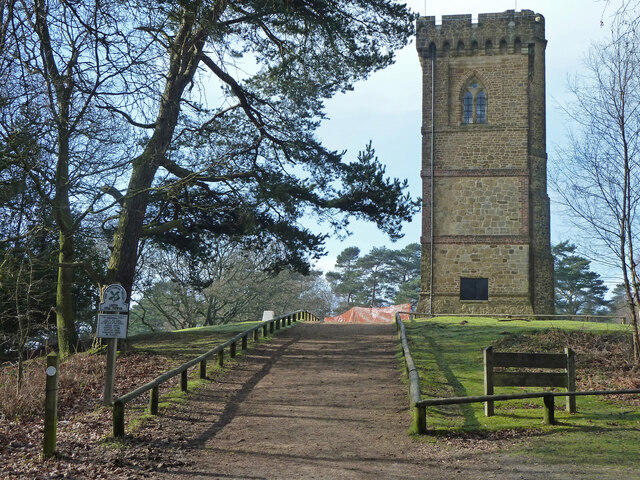 Photo could not load
TQ1343 : Leith Hill Tower
Robin Webster
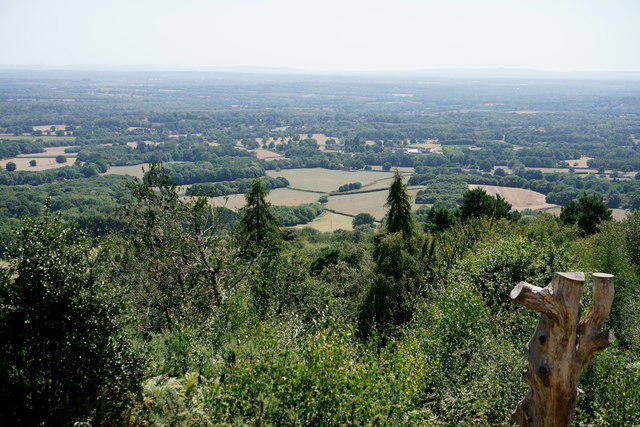 Photo could not load
TQ1343 : View From Leith Hill
Peter Trimming
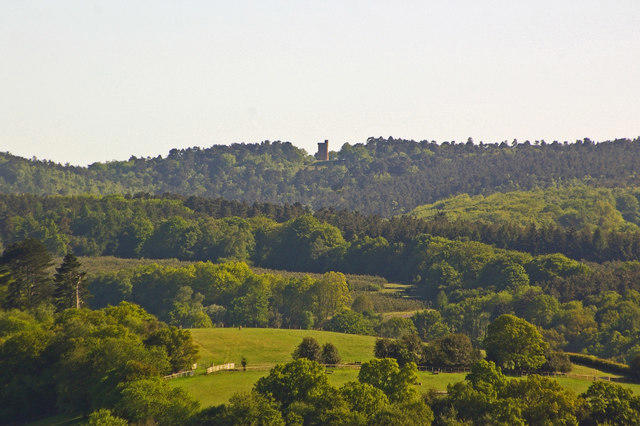 Photo could not load
TQ1343 : Leith Hill
Ian Capper
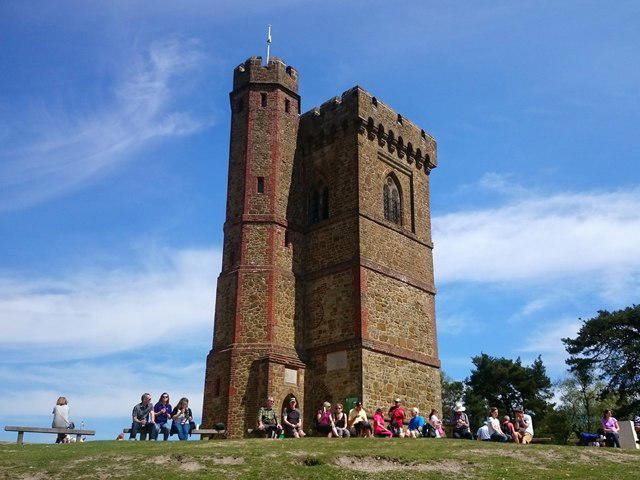 Photo could not load
TQ1343 : Leith Hill Tower
Mark Percy
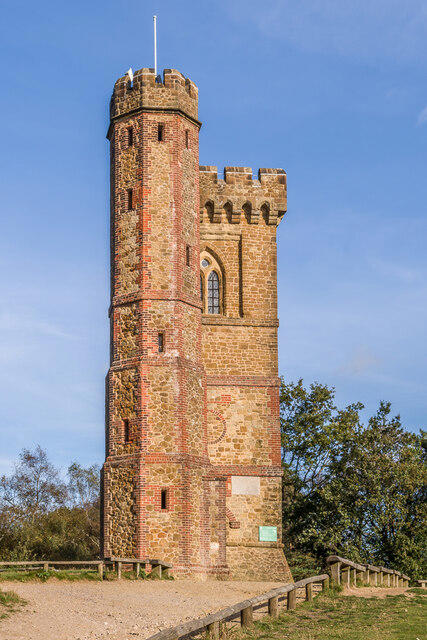 Photo could not load
TQ1343 : Leith Hill Tower
Ian Capper
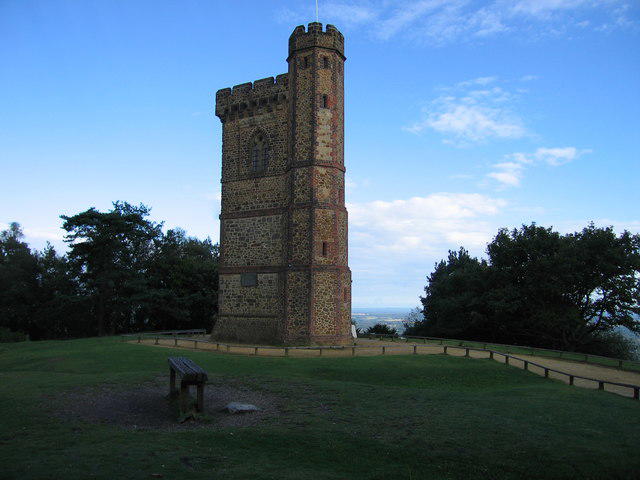
TQ1343 : Leith Hill
Rude Health
Hill facts and local notes
Classifications
Elevation
294m
965 ft
Prominence
247m
Coordinates
51.1765, -0.3715
TQ139431
OS Map
187
Explorer: 146
At the Summit
A grassy knoll with a seat is the natural summit, about 20 m northwest of Leith Hill Tower and 0.7 m above its base. The Grade II-listed tower dates from 1764–65, with later Victorian additions. Its elevated viewing platform is separate from the hill’s 294 m summit height.
Terrain & Geology
Leith Hill forms part of the Lower Greensand escarpment. Resistant chert in the upper Hythe Beds caps softer sandy beds, above Atherfield Clay and Weald Clay. This layered geology helps explain the steep southern slopes and spring lines where permeable sand meets clay.
Views & Scenery
Views extend over the Weald towards the South Downs and north towards London. In exceptionally clear conditions the English Channel can be seen from the tower. Distant views depend on visibility and, for the tower panorama, access to the viewing platform.
Best Seasons
Rhododendron Wood flowers in May and June. The surrounding woods and heath provide contrasting seasonal colours and wildlife habitats.
History & Heritage
Name Origin
Leith is usually associated with Old English hlith, meaning a slope or hillside, traditionally linked to the hill’s southern slope.
Historical Significance
Richard Hull commissioned the tower in 1764–65 and was buried beneath it in 1772. The battlements and stair turret were added by William John Evelyn in 1864. The tower is Grade II listed. Nearby Leith Hill Place was Ralph Vaughan Williams’ childhood home and has associations with Charles Darwin and the Wedgwood family.
Getting There & Facilities
Parking
Windy Gap (TQ139429) is about ¼ mile from the tower via steep steps. Starveall Corner is about ¾ mile away by a gentler path; Landslip is about ¾ mile away by a steep route. Use Rhododendron Wood for Leith Hill Place. Landslip and Rhododendron Wood charge non-members; National Trust members must validate parking. Check signs for the chosen car park. Overnight parking is not permitted.
Public Transport
Holmwood station is approximately 4 km from Leith Hill, so allow for an additional approach and return walk. Surrey Connect offers a pre-booked, on-demand link from Dorking railway stations to Leith Hill Place, Monday–Saturday, subject to availability. Book both directions and check current rail and bus arrangements.
Nearby Facilities
A kiosk at the foot of the summit tower sells drinks and snacks when open. There are no toilets at the tower. Toilets and baby-changing are at Leith Hill Place during house opening hours. The tower and house are closed for winter 2026/27, with reopening planned for spring 2027; kiosk hours are separate. Benches and picnic spots are available around the estate.
Safety Information
Known Hazards
- Steep steps and uneven paths, especially on the Windy Gap approach and descent
- Wet or muddy surfaces can be slippery
- Road crossings and short road sections on the woodland circuit
- Cyclists on shared routes; grazing livestock on parts of the estate
General Safety Tips
- Check weather conditions before setting out
- Carry appropriate clothing and equipment
- Let someone know your planned route
- Take a map, compass, and GPS device
- Carry emergency supplies: food, water, first aid kit, torch
Hills
Some common questions about the hills answered
Are there group walks up Leith Hill?
Many walkers use Walkmates to join or organise walks with others. You can check for group walks around Leith Hill through the maps
Are there other walkers around Leith Hill?
Activity varies by location and time, but Walkmates lets you see whether others have shared walks or shown interest in this area. Find other people through the walking friends search walking friends for Leith Hill search or of course create your own walk for Leith Hill
Can I organise a walk to Leith Hill?
Yes. If there aren’t any walks listed already, you can create a walk and make it available for others to join.
If you're signed up to Walkmates, you can create a walk to Leith Hill.
How do I find a walk up this hill?
There are often multiple ways to walk this hill, depending on experience and route preference. Walkmates helps you explore walks and routes that others have shared.
Can I suggest a new route up Leith Hill?
Yes. You can suggest or create routes to share with others. Walkmates focuses on the social side of walking, so routes are used to help people organise walks and explore areas together, rather than as detailed navigation tools or route libraries.
Other uses really appreciate knowledgeable walkers sharing their routes. Share your favourite route to Leith Hill here
The is an error or something incorrect about this hill. How do I let you know?
We always strive to keep the information on Walkmates as accurate as possible. If you find an error, please let us know through the contact form and we'll aim to correct it as quickly as possible
Community Discussion
Comments
Location
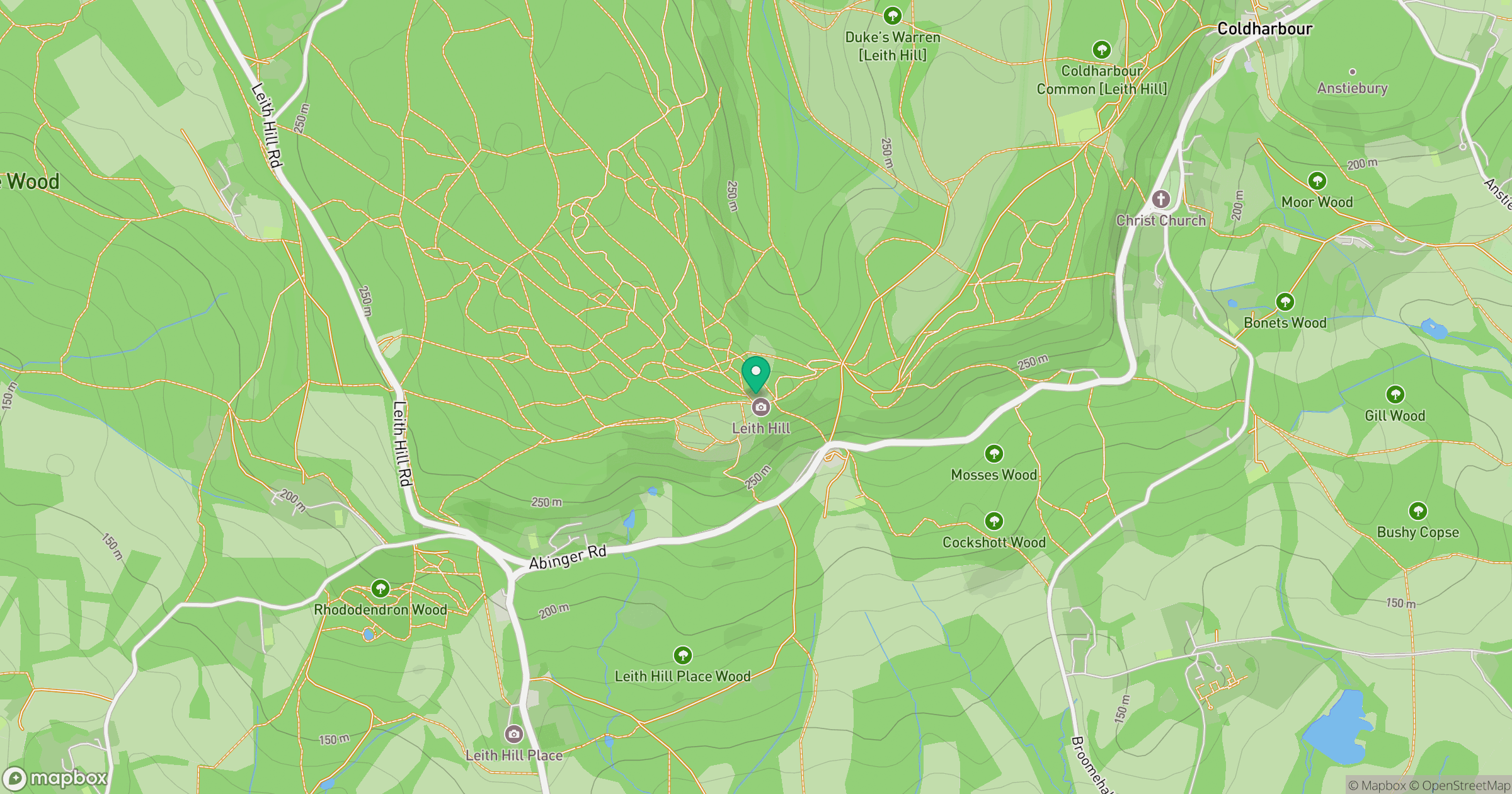
Grid reference: TQ139431
View on OpenStreetMapOpens a map in a new tab, centred on the hill.
No comments yet. Be the first.