

Dunkery Beacon
Good walks are even better shared.
Overview
Dunkery Beacon is the highest point in Somerset and Exmoor National Park, at 519.9 m. Stony paths cross heather moorland to its large summit cairn, with views towards the Bristol Channel in clear weather. Choose a short ridge out-and-back or a longer circuit through the surrounding moor and valleys.
Dunkery Beacon
At 519.9 m (1,706 ft), Dunkery Beacon is the highest point in Somerset and Exmoor National Park. Its broad, heather-covered ridge overlooks the surrounding moorland and the Bristol Channel. The summit's large stone monument stands over a prehistoric cairn.
Choosing a walk
- Upper Dunkery Hill car park: Exmoor National Park's 2.4 km there-and-back walk starts at SS904420. Cross the road, follow the stony ridge track to the summit, and return the same way. It has about 70 m of ascent and uneven stone drainage channels.
- Dunkery Gate and Great Rowbarrow: the National Trust's shorter 8 km circuit starts at SS896406, approaches the summit from the west and returns directly down the southern slope. The guide allows about two hours.
- Wheddon Cross: Walking Britain's 13 km circular route climbs via Luckwell Bridge, Long Lane and Dunkery Gate, approaches the summit from the west, and returns through the wooded combe and Drapers Way to Wheddon Cross. Its published estimate is four hours 50 minutes.
These are route-planning summaries. Take the full route guide and a suitable map, and choose a walk that suits the conditions and your group.
Landscape and summit
The hill is formed from Devonian sedimentary sandstone of the Hangman Sandstone Formation. Heather moorland covers the upper slopes; longer approaches add farmland and wooded valleys. Summer brings flowering heather, while the summit's coastal views depend on clear weather.
Historic England records prehistoric cairns around the summit, later beacon use and the beehive-shaped stone monument erected in 1935. It also records an Ordnance Survey triangulation pillar on the west side of the cairn. Leave the archaeological remains undisturbed.
Access and facilities
Use the car park for your chosen route: the upper roadside car park at SS904420 and Dunkery Gate by Dunkery Bridge at SS896406 are different starting points. There are no toilets at these summit-walk starts. Public toilets and refreshments are available at Wheddon Cross and Horner, with seasonal tea rooms at Horner.
Atwest's 198 bus serves Wheddon Cross from Minehead and Dulverton, Monday to Saturday excluding public and bank holidays. Reaching the Beacon from the village is a longer hill walk, so check the return timetable before setting out.
Walking with care
The open ridge is exposed to wind and poor visibility. Stony tracks, drainage channels and steeper descents need care, especially when wet. Check the forecast, carry navigation equipment and suitable clothing, and keep wildlife and grazing animals at a distance. Ticks occur in the area, especially in vegetation around the combes; check yourself after walking.
Nearby walks can explore Great Rowbarrow, Ley Hill and the wooded valleys of Horner Wood.
Explore routes near Dunkery Beacon
Walks starting near this hill. Open a route to check its map, distance and full itinerary.
Dunkery Beacon sunset ranger walk
View route
Bossington Hill dusk and dark-sky walk
View route
Dunster, Gallox Bridge and Bats Castle: deer park hillfort circuit
View route
Lynmouth, Watersmeet and Ash Bridge woodland circuit
View route
Route planning notes
These notes describe possible approaches. Check a route's map and access information when planning your walk.
Dunkery Beacon from the upper Dunkery Hill car park
From the roadside car park at SS904420, cross the road to the summit track. Follow it southwest along the ridge to the cairn, then retrace the same track to the car park. Exmoor National Park publishes this as a 2.4 km return walk with about 70 m ascent. The stony surface and drainage channels need care; its accessibility grade is Access for Some.
Dunkery Gate and Great Rowbarrow circular
From Dunkery Gate by Dunkery Bridge (SS896406), cross the road and follow the Macmillan Way West track to the lane. Turn right, then right at the National Trust Dunkery marker. Climb past Great and Little Rowbarrow to the summit. Return down the direct southern path, turning right at the road to the starting car park.
Dunkery Beacon from Wheddon Cross circular
Start at Wheddon Cross car park (SS923387). Walk via Luckwell Bridge, Long Lane, Trottsway Cross and Dunkery Gate, then approach the summit from the Great Rowbarrow junction. Descend northeast, cross the road, turn south across the moor and enter the wooded combe. Follow the stream to Drapers Way, climb the bridleway through woods and fields, then turn right along the main road back to Wheddon Cross. Walking Britain gives 13 km and 4 hours 50 minutes.
Make a day of it, together
Find someone to share the walk with, or organise a day out along a route you like.
Photo Gallery
View all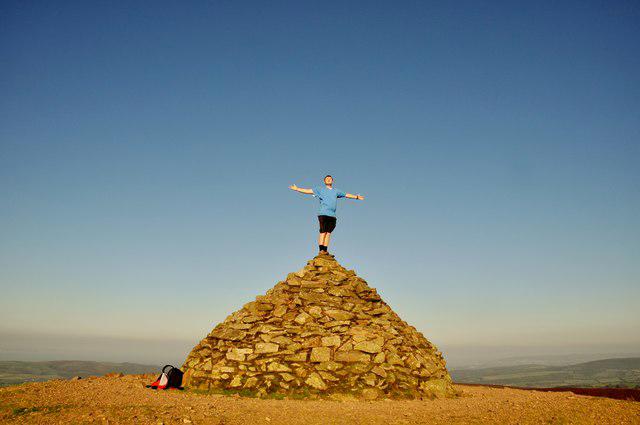 Photo could not load
SS8941 : Exmoor : Dunkery Beacon
Lewis Clarke
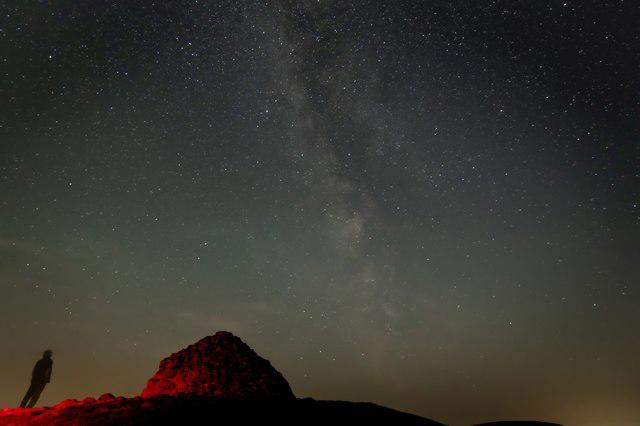 Photo could not load
SS8941 : Cutcombe : Exmoor - Dunkery Beacon
Lewis Clarke
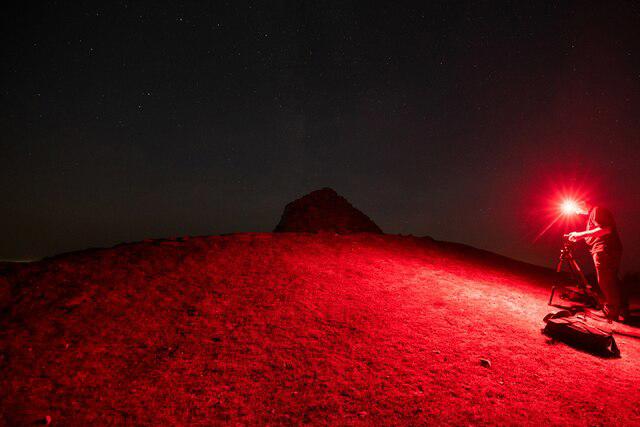 Photo could not load
SS8941 : Cutcombe : Exmoor - Dunkery Beacon
Lewis Clarke
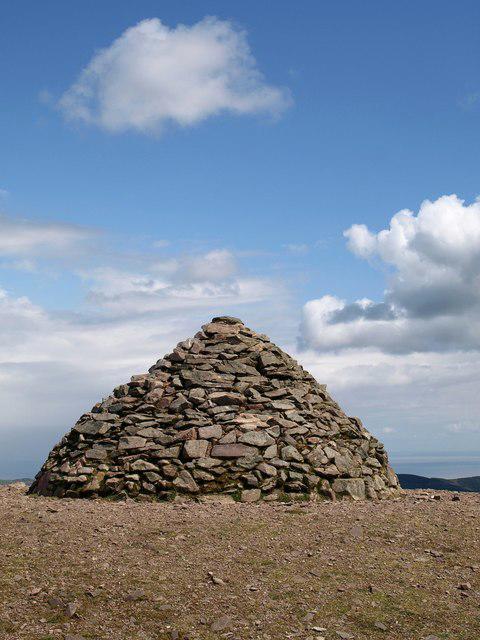 Photo could not load
SS8941 : Cairn, Dunkery Beacon
Derek Harper
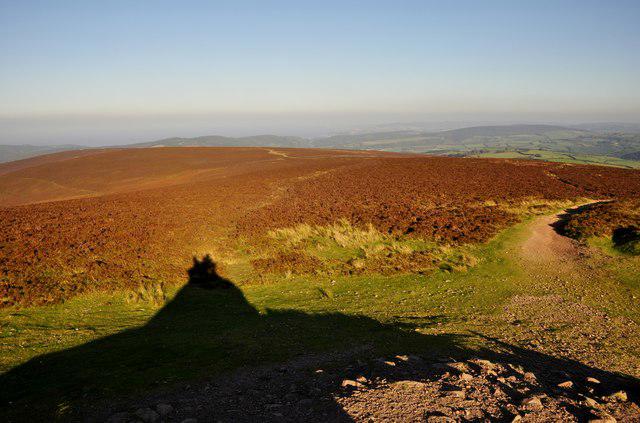 Photo could not load
SS8941 : Exmoor : Dunkery Beacon view
Lewis Clarke
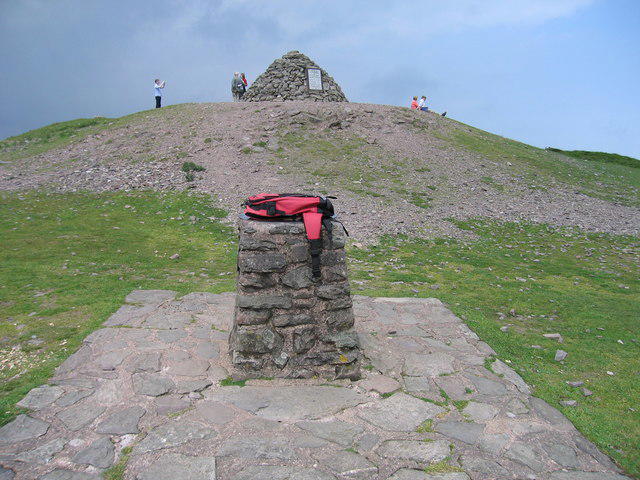 Photo could not load
SS8941 : Dunkery Beacon
Rude Health
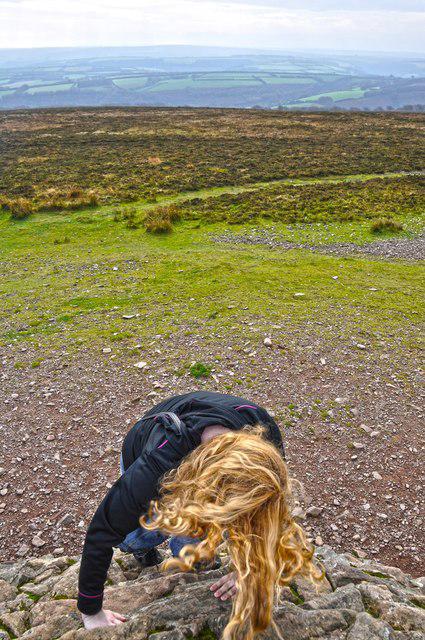 Photo could not load
SS8941 : West Somerset : Moorland Scenery
Lewis Clarke
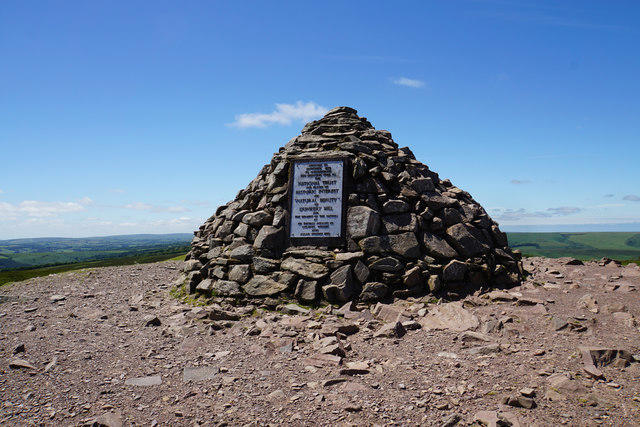 Photo could not load
SS8941 : Dunkery Beacon
Bill Boaden
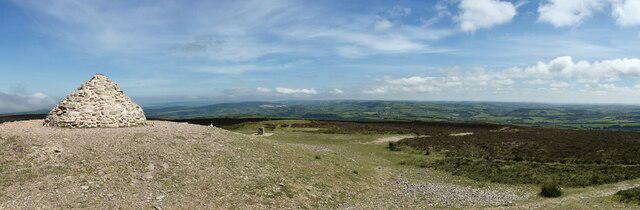 Photo could not load
SS8941 : Dunkery Beacon
Marika Reinholds
SS8941 : Cutcombe : Exmoor - Dunkery Beacon
Lewis Clarke
Hill facts and local notes
Classifications
Elevation
520m
1,706 ft
Prominence
414m
Coordinates
51.1628, -3.5867
SS891415
OS Map
181
Explorer: OL9E
At the Summit
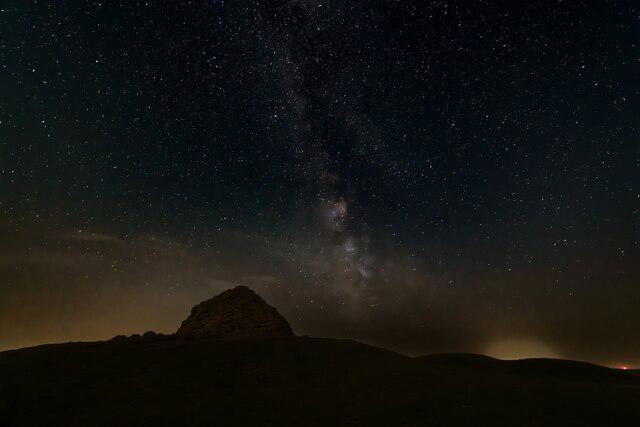
A large beehive-shaped stone monument, erected in 1935, stands on an older cairn. Historic England also records an Ordnance Survey triangulation pillar on the west side of the cairn.
Terrain & Geology
Devonian sedimentary rocks of the Hangman Sandstone Formation underlie Dunkery Hill. Sandstones with subordinate finer-grained beds formed in continental river and alluvial-plain environments, then folded during later mountain building. The upper slopes are largely covered by moorland vegetation and weathered material.
Views & Scenery
Views across Exmoor and towards Porlock Bay and the Bristol Channel; the Welsh coast is visible in clear weather.
Best Seasons
Summer heather brings pink and purple colour to the ridge. Spring flowers and autumn foliage add interest to longer walks through Horner Wood.
History & Heritage
Historical Significance
The summit area contains prehistoric burial cairns and evidence of later beacon use. Historic England records the present beehive-shaped stone monument as erected in 1935 over an older cairn. Dunkery Beacon and adjacent mounds are a scheduled monument.
Getting There & Facilities
Parking
For the short ridge out-and-back, use the upper roadside car park at SS904420. Dunkery Gate car park by Dunkery Bridge, SS896406, serves southern approaches and the Great Rowbarrow circuit. Select the car park for your chosen route; neither is at the summit.
Public Transport
Atwest route 198 links Minehead, Wheddon Cross and Dulverton, Monday to Saturday excluding public and bank holidays. Wheddon Cross is a starting point for a longer hill walk to Dunkery Beacon. Check the current timetable and last return bus before travelling.
Nearby Facilities
No toilets at the summit-walk car parks. Public toilets are available at Wheddon Cross and the National Trust car park at Horner. Horner has seasonal tea rooms; Wheddon Cross has refreshments including the Rest and Be Thankful Inn.
Safety Information
Known Hazards
- Exposed moorland: wind, rain and low cloud can make navigation difficult.
- Stony paths, uneven drainage channels and steeper descents require care; wet surfaces can be slippery.
- Ticks occur in the vegetation around Dunkery and the combes; check yourself after walking.
- Longer circuits include road crossings or short road sections; watch for traffic.
Seasonal Hazards
Ticks and adders are seasonal risks on Exmoor. In spring and summer, protect nesting birds and livestock by keeping dogs under close control and following local lead requirements.
General Safety Tips
- Check weather conditions before setting out
- Carry appropriate clothing and equipment
- Let someone know your planned route
- Take a map, compass, and GPS device
- Carry emergency supplies: food, water, first aid kit, torch
Hills
Some common questions about the hills answered
Are there group walks up Dunkery Beacon?
Many walkers use Walkmates to join or organise walks with others. You can check for group walks around Dunkery Beacon through the maps
Are there other walkers around Dunkery Beacon?
Activity varies by location and time, but Walkmates lets you see whether others have shared walks or shown interest in this area. Find other people through the walking friends search walking friends for Dunkery Beacon search or of course create your own walk for Dunkery Beacon
Can I organise a walk to Dunkery Beacon?
Yes. If there aren’t any walks listed already, you can create a walk and make it available for others to join.
If you're signed up to Walkmates, you can create a walk to Dunkery Beacon.
How do I find a walk up this hill?
There are often multiple ways to walk this hill, depending on experience and route preference. Walkmates helps you explore walks and routes that others have shared.
Can I suggest a new route up Dunkery Beacon?
Yes. You can suggest or create routes to share with others. Walkmates focuses on the social side of walking, so routes are used to help people organise walks and explore areas together, rather than as detailed navigation tools or route libraries.
Other uses really appreciate knowledgeable walkers sharing their routes. Share your favourite route to Dunkery Beacon here
The is an error or something incorrect about this hill. How do I let you know?
We always strive to keep the information on Walkmates as accurate as possible. If you find an error, please let us know through the contact form and we'll aim to correct it as quickly as possible
Community Discussion
Comments
Location
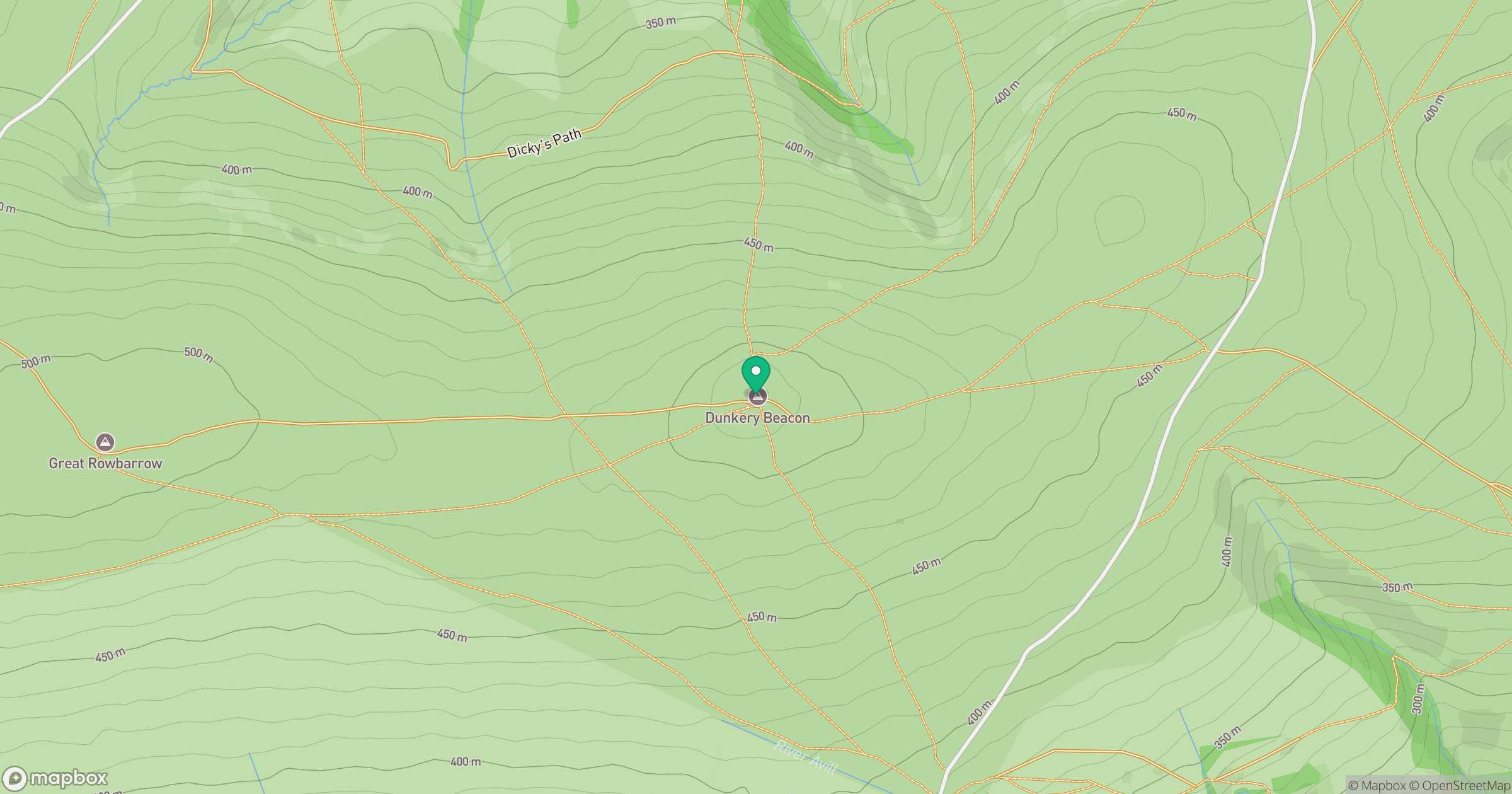
Grid reference: SS891415
View on OpenStreetMapOpens a map in a new tab, centred on the hill.
Nearby Hills
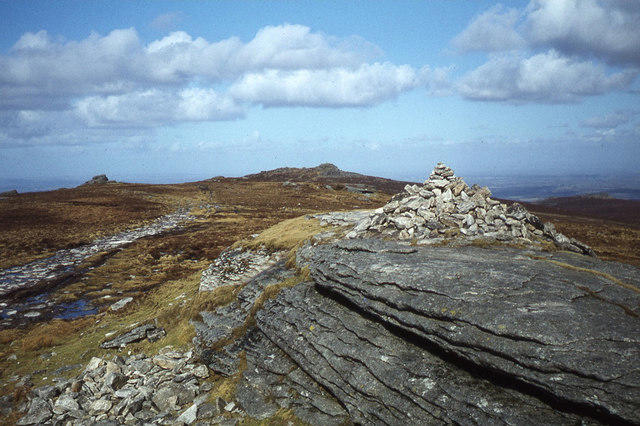
High Willhays
622m
Fan Gyhirych
726m
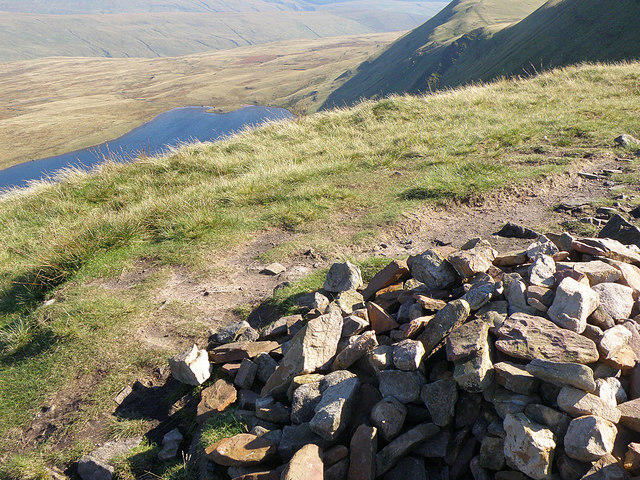
Fan Brycheiniog - Twr y Fan Foel
802m
Pen y Fan
886m
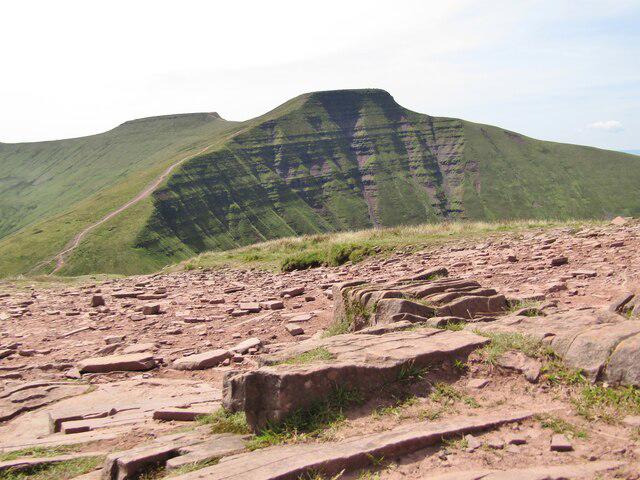
Cribyn
794m
No comments yet. Be the first.