

Durham Castle
Good walks are even better shared.
NZ2742 : The entrance to Durham Castle
Graham Hogg Photo source
Overview
Durham Castle
Durham Castle, perched majestically on the banks of the River Wear, offers a glimpse into centuries of history and architectural marvels. At an elevation of just 36 meters, it may not be the tallest in the land, but what it lacks in height, it makes up for in historical significance!
Geology
The castle's formidable structure is built upon magnesian limestone, a rock that has withstood the test of time—just like the stories of knights that roam its halls (or at least we can dream). This rock formation hails from the Permian period and provides a solid base for the castle's enduring presence.
Access
Durham Castle is easily accessible, with Flatts' Car Park just a stone's throw away. If you're hopping on a train, Durham railway station is your best bet, offering regular services from major hubs.
Facilities
There’s no shortage of amenities around the castle. You'll find delightful cafés and restaurants nearby to sate your hunger after a good walk, along with public toilets to freshen up before you continue your adventures.
Routes
For a delightful experience, try the Castle Walk, a relaxed circular route that allows you to take in the views at a leisurely pace. At 1.5 km, it’s perfect for a quick jaunt or an extended stroll.
Views
From the castle, you can enjoy panoramic views of the River Wear and the stunning Durham Cathedral. Spring and Autumn are particularly charming seasons for this display, so plan your visit accordingly! Keep your camera at the ready—you'll want to capture this picturesque landscape.
Hazards
While the walk is generally easy and enjoyable, do watch your step near the riverbank, particularly after rain. Slippery paths can find the unsuspecting visitor, and let’s face it, muddy bottoms are not in style!
History
The very name 'Durham' derives from the Old English word for 'hill', which fittingly describes its position. The castle has been a cornerstone of the area since the 11th century, serving as a residence for the Bishop of Durham and an important fortress during tumultuous times. It's a location steeped in history that beckons to be explored.
In conclusion, Durham Castle may not boast of mountain-like qualities, but it holds a treasure trove of history and charm that every outdoor enthusiast should experience. Enjoy your visit, and remember: every walk is a step into the past!
Explore routes near Durham Castle
Walks starting near this hill. Open a route to check its map, distance and full itinerary.
Durham Wear and Cathedral Peninsula
View route
Brancepeth Station to Brandon Railway Path
View route
Chester-le-Street Riverside and Town
View route
Raisby Way from Trimdon Grange
View route
Route planning notes
These notes describe possible approaches. Check a route's map and access information when planning your walk.
Castle Walk
A pleasant circular route around the castle, ideal for a leisurely stroll or quick jog with splendid views of the River Wear.
Make a day of it, together
Find someone to share the walk with, or organise a day out along a route you like.
Photo Gallery
View all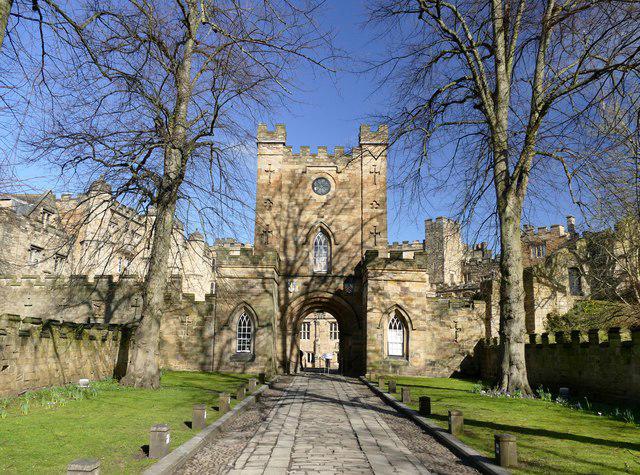 Photo could not load
NZ2742 : The entrance to Durham Castle
Graham Hogg
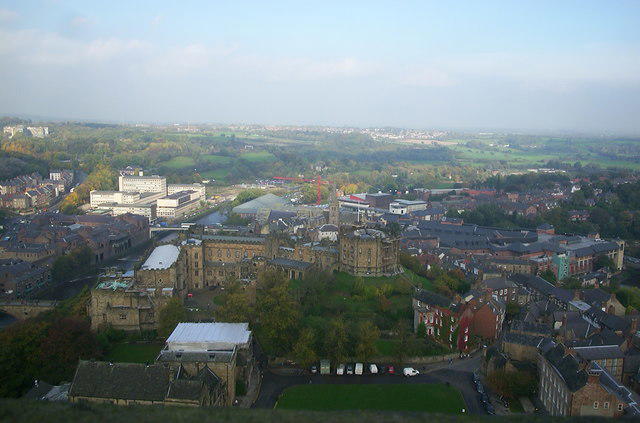 Photo could not load
NZ2742 : Durham Castle
David Robinson
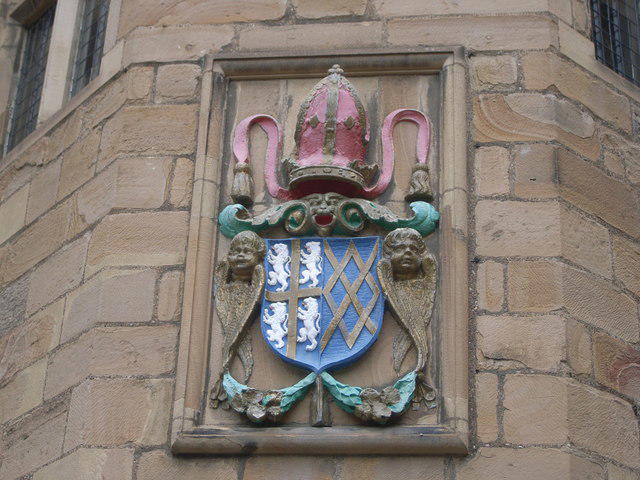 Photo could not load
NZ2742 : Durham Castle - external Coat of Arms
Nick Mutton 01329 000000
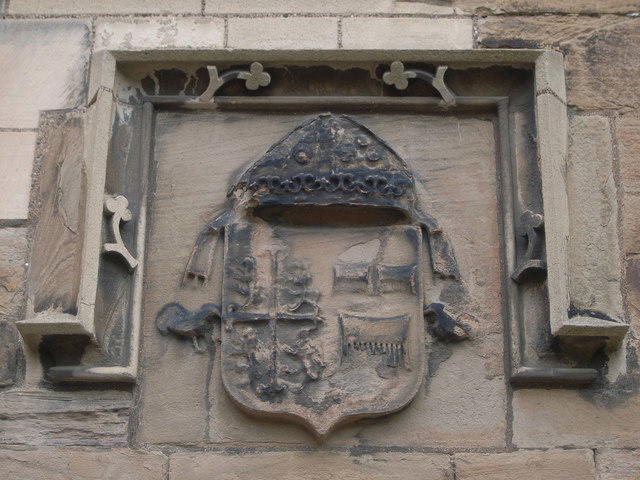 Photo could not load
NZ2742 : Durham Castle - external Coat of Arms
Nick Mutton 01329 000000
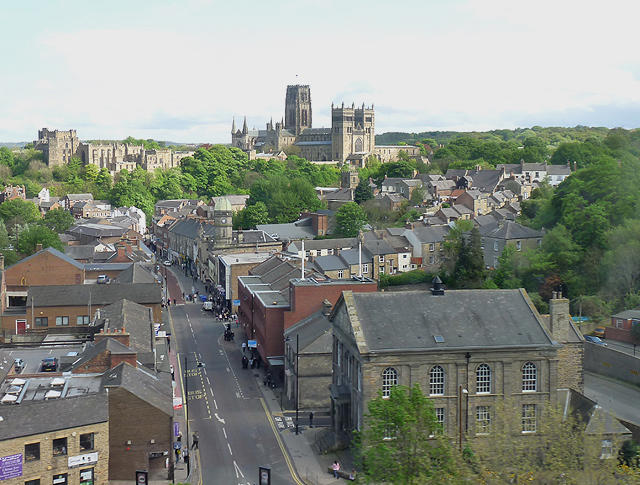 Photo could not load
NZ2742 : Durham high and lower
Zorba the Geek
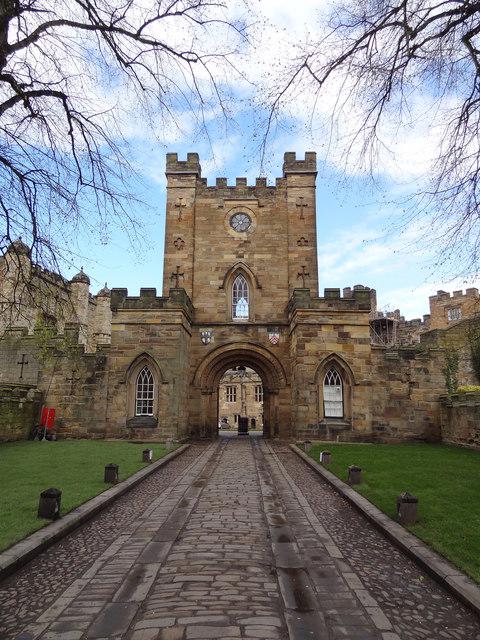 Photo could not load
NZ2742 : Durham Castle Gatehouse
Bryan Pready
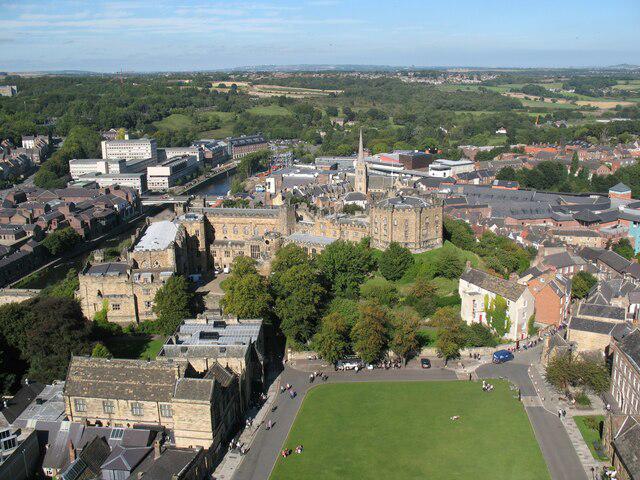 Photo could not load
NZ2742 : Durham Castle
Adrian Taylor
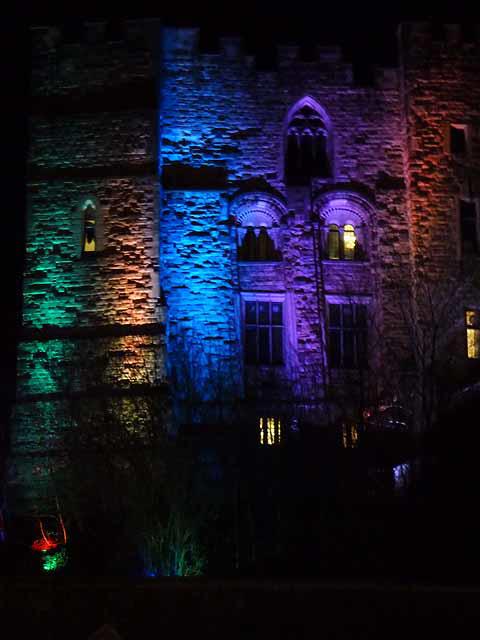 Photo could not load
NZ2742 : Durham Castle, Durham Lumiere 2011
Oliver Dixon
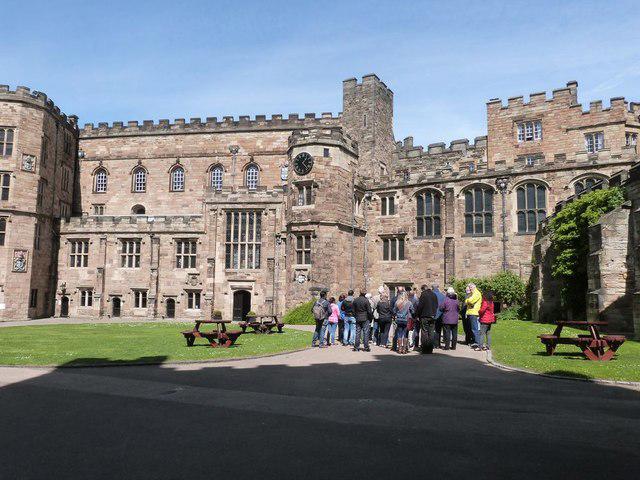 Photo could not load
NZ2742 : Party of tourists being taken on a guided tour of Durham Castle
Derek Voller
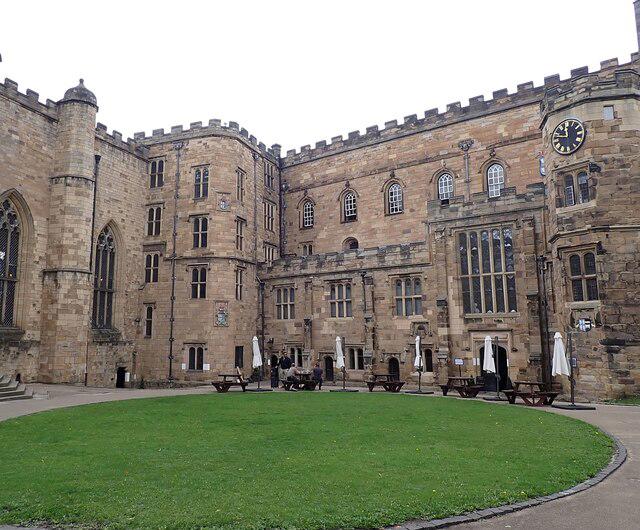
NZ2742 : Durham Castle - The North Range
Rob Farrow
Hill facts and local notes
Classifications
Elevation
76m
249 ft
Prominence
37m
Coordinates
54.7755, -1.5757
NZ273423
OS Map
88
Explorer: 308
At the Summit
The summit features a striking Norman keep and a beautifully maintained chapel. The views are worth the climb, even if 'summit' is a bit generous given its elevation.
Terrain & Geology
The castle is primarily built on a base of magnesian limestone, which dates back to the Permian period. It's sturdy enough to have weathered many a storm, both literal and metaphorical!
Views & Scenery
Spectacular views of the River Wear and the surrounding cityscape of Durham, including the majestic Durham Cathedral.
History & Heritage
Name Origin
The name 'Durham' is derived from the Old English term 'dun', meaning hill, referencing the elevated position of the castle.
Historical Significance
Durham Castle has been a significant site since the 11th century, serving as a palace for the Bishop of Durham and a fortress during the turbulent times of the English Reformation.
Getting There & Facilities
Parking
Flatts' Car Park, located a short stroll from the castle with ample spaces.
Public Transport
Durham railway station is nearby, with regular services from major cities. Additionally, local buses frequently stop close to the castle.
Nearby Facilities
Cafés, restaurants, and public toilets can be found within the castle grounds and the surrounding area.
Safety Information
Known Hazards
- Steep drops along the riverbank and the potential for slippery paths after rain.
General Safety Tips
- Check weather conditions before setting out
- Carry appropriate clothing and equipment
- Let someone know your planned route
- Take a map, compass, and GPS device
- Carry emergency supplies: food, water, first aid kit, torch
Hills
Some common questions about the hills answered
Are there group walks up Durham Castle?
Many walkers use Walkmates to join or organise walks with others. You can check for group walks around Durham Castle through the maps
Are there other walkers around Durham Castle?
Activity varies by location and time, but Walkmates lets you see whether others have shared walks or shown interest in this area. Find other people through the walking friends search walking friends for Durham Castle search or of course create your own walk for Durham Castle
Can I organise a walk to Durham Castle?
Yes. If there aren’t any walks listed already, you can create a walk and make it available for others to join.
If you're signed up to Walkmates, you can create a walk to Durham Castle.
How do I find a walk up this hill?
There are often multiple ways to walk this hill, depending on experience and route preference. Walkmates helps you explore walks and routes that others have shared.
Can I suggest a new route up Durham Castle?
Yes. You can suggest or create routes to share with others. Walkmates focuses on the social side of walking, so routes are used to help people organise walks and explore areas together, rather than as detailed navigation tools or route libraries.
Other uses really appreciate knowledgeable walkers sharing their routes. Share your favourite route to Durham Castle here
The is an error or something incorrect about this hill. How do I let you know?
We always strive to keep the information on Walkmates as accurate as possible. If you find an error, please let us know through the contact form and we'll aim to correct it as quickly as possible
Community Discussion
Comments
Location
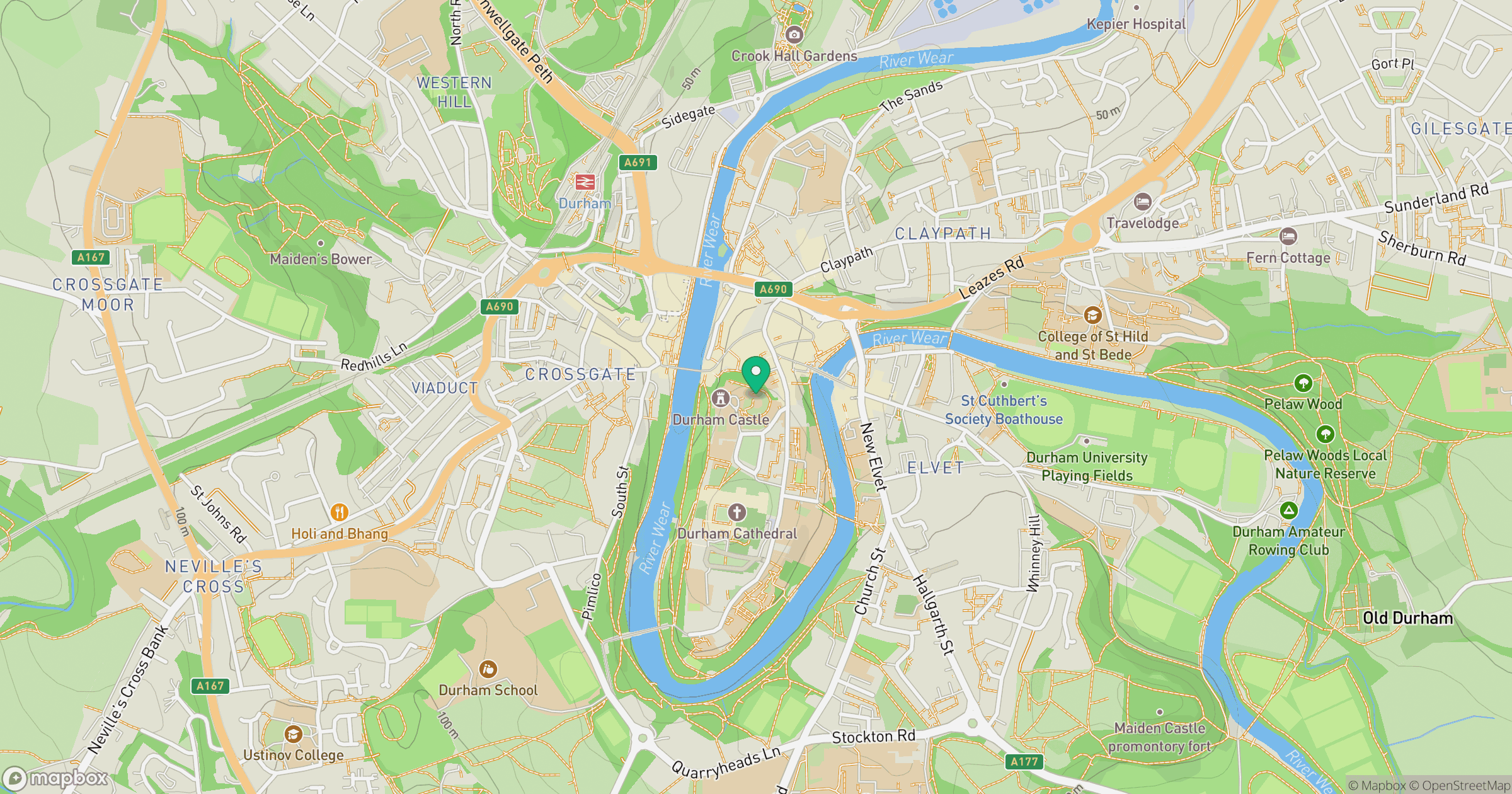
Grid reference: NZ273423
View on OpenStreetMapOpens a map in a new tab, centred on the hill.
Nearby Hills
Buckden Pike
702m
Nine Standards Rigg
662m
The Cheviot
816m
Rombalds Moor [Ilkley Moor]
402m
Cross Fell
893m
No comments yet. Be the first.