

Arnside Knott
Good walks are even better shared.
SD4577 : Walls and gates, Arnside Knott
Ian Taylor Photo source
Overview
Arnside Knott is a 159.1 m Marilyn near Arnside, between Silverdale and the Kent estuary in England. Woodland and limestone grassland cover the hill. Its surveyed high point is a yew tree southeast of the trig point; open viewpoints elsewhere on the hill look across Morecambe Bay.
Arnside Knott
Arnside Knott is a 159.1 m Marilyn near Arnside in England. The wooded limestone hill stands between Silverdale and the Kent estuary, within the Arnside & Silverdale National Landscape.
The surveyed summit
DoBIH records the high point at a yew tree at SD 45612 77479, 12 m southeast of the trig point. It records the trig at SD 45602 77485 as 0.40 m lower and the knoll 90 m south as 0.75 m lower. The toposcope and knotted larch are other landmarks, not summit markers. The two published walks below visit the trig area; neither source establishes exact passage over the yew-tree high point. Their figures are not a new precise-summit survey.
Complete returning walks
The National Trust purple-waymarked circuit starts and finishes at its Arnside Knott car park. Its published figures are 2.72 km and 2 hours; no ascent is given. It is a hill-only option with no shore crossing.
Lou Johnson’s Walking Britain circuit starts and ends near Arnside station, reaching the hill via the coast and Far Arnside before descending back to the promenade. Its published figures are 9.8 km, 242 m ascent and 3.5 hours. This coastal alignment is not verified as usable at all tides. No inland bypass has been mapped or assigned those figures here.
Use the full route notes and publisher’s map when planning. Both walks include a return to their own start, and the two sets of figures must not be interchanged.
Landscape and history
Regional geology is Carboniferous marine limestone. The Leeds Geological Association’s 2011 field report identifies Park Limestone on the hill, with faulting and frost-related scree contributing to its shape. This does not assign a formation to the exact summit point.
Cumbria County History Trust records medieval forms of the settlement name. The full hill-name etymology is not established here. The National Trust’s story of honeymooners tying larch saplings around 1860 is a tradition, and concerns a different tree from the summit yew.
Access and safety
The National Trust describes open access on the Knott, with cycling confined to the designated bridleway. Follow current management signs. The short route starts at the hill car park, reached by a narrow approach. The May 2021 access statement reports no on-site toilets or visitor building, village facilities in Arnside and patchy mobile reception. Check present-day arrangements and train times separately.
Expect gates, steep and uneven paths, loose rock and slippery wet limestone. Keep dogs on leads on the National Trust circuit, give grazing animals space and take care near viewpoint drops. Check for ticks after walking.
For the coastal loop, check current tide and access information. Morecambe Bay channels can fill well before high tide, and quicksand is a hazard. Stay on established shore paths and never improvise a crossing or shortcut over the bay sands. If conditions are uncertain, do not set out on the coastal section; choose a separately planned hill-only walk.
Explore routes near Arnside Knott
Walks starting near this hill. Open a route to check its map, distance and full itinerary.
Bolton-le-Sands to Hest Bank: Lancaster Canal Towpath Return
View route
Sizergh: Park End Moss and Brigsteer Park Wood Circuit
View route
Ingleton Waterfalls Walk
View route
Coniston to Tarn Hows: Monk Coniston Gardens and Woodland Circuit
View route
Route planning notes
These notes describe possible approaches. Check a route's map and access information when planning your walk.
Arnside Knott from the National Trust car park (circuit)
Start and finish at Arnside Knott car park (SD450774, LA5 0BP). Follow the National Trust purple waymarkers through two gates to the Heathwaite junction, uphill past twin seats and through the wall gate to the toposcope. Continue past the knotted larch to the trig area. DoBIH places the actual high point at a yew tree 12 m southeast of the trig, at SD 45612 77479; the route source does not identify that exact tree. Continue through woodland past the Arnside Tower and bay viewpoints, turn inland through beech trees, then descend by the rocky side path to the Heathwaite junction. Return through both gates to the same car park. The source gives 2.72 km and 2 hours for this complete circuit, with no ascent figure. No shore crossing is required. Take care near drops and on steep, loose limestone.
Arnside station via Far Arnside and the Knott (coastal circuit)
Start and finish near Arnside station (SD461788). Follow Station Road and the promenade to New Barns Bay, through the caravan site and along the shore around Arnside Point to Far Arnside. Turn inland through Heathwaite, climb to the viewpoint and continue to the trig area. The surveyed high point is the separate yew tree 12 m southeast of the trig; the route source does not identify the exact tree. Descend north, take the grassy path beside the tree clump to the lane, turn downhill, then follow the signed promenade path and seafront back to the same start. Lou Johnson’s complete loop is 9.8 km, 242 m ascent and 3.5 hours. Coastal sections are not verified as all-tide: check current tides and access, use established shore paths and never shortcut across bay sands. No inland diversion with these metrics is established.
Make a day of it, together
Find someone to share the walk with, or organise a day out along a route you like.
Photo Gallery
View all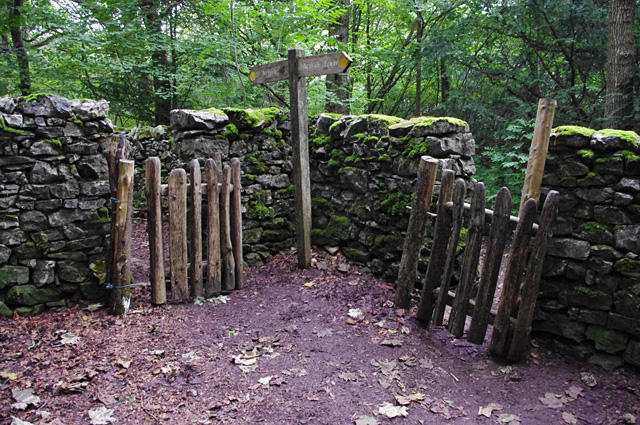 Photo could not load
SD4577 : Walls and gates, Arnside Knott
Ian Taylor
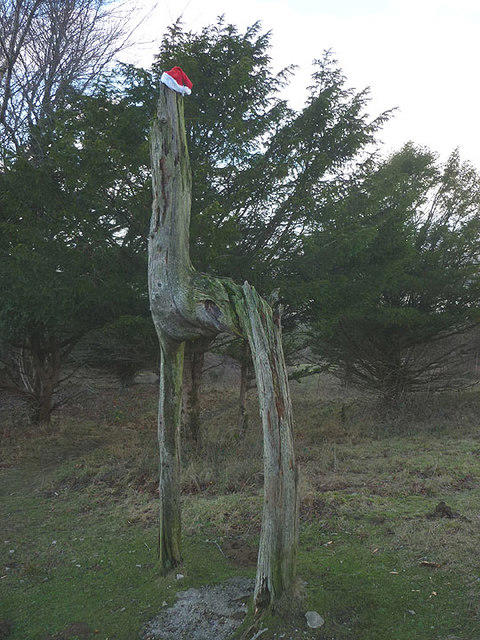 Photo could not load
SD4577 : Merry Christmas from Arnside Knott!
Karl and Ali
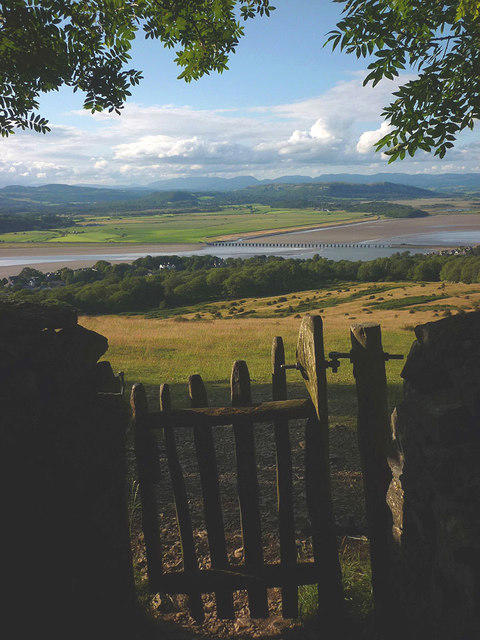 Photo could not load
SD4577 : Gate near the top of Arnside Knott
Karl and Ali
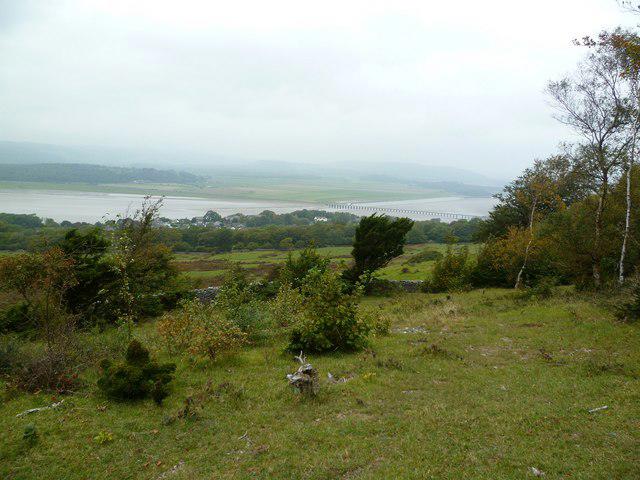 Photo could not load
SD4577 : On Arnside Knott
Michael Graham
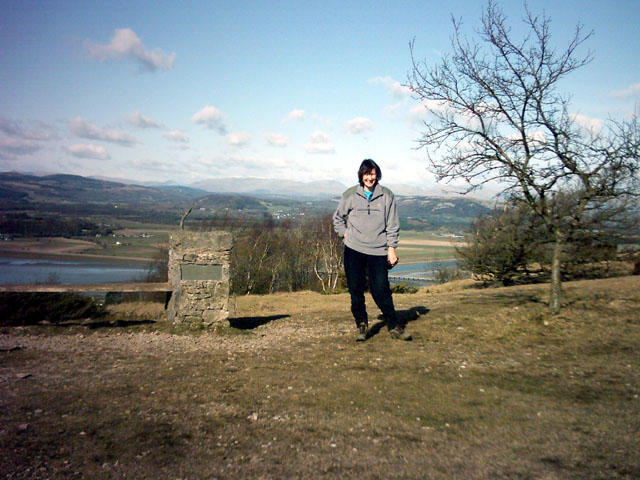 Photo could not load
SD4577 : Memorial bench, Arnside Knott
Karl and Ali
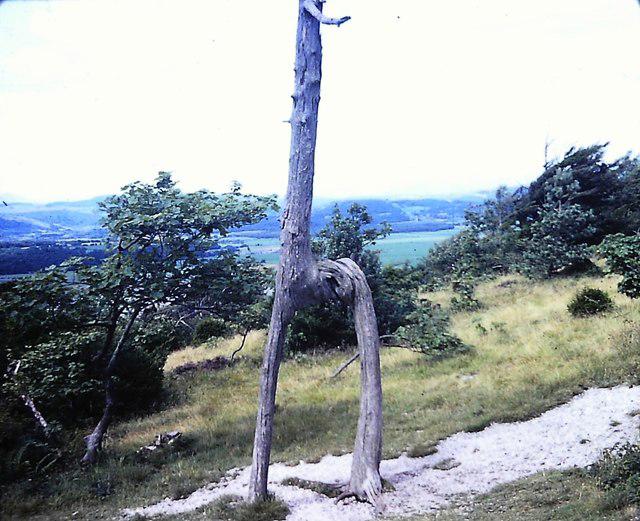 Photo could not load
SD4577 : Knotted tree at Arnside Knott in 1981
Clint Mann
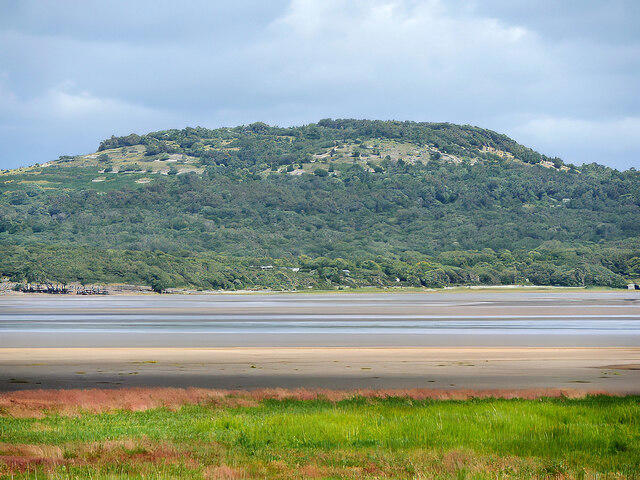 Photo could not load
SD4577 : Arnside Knott
David Dixon
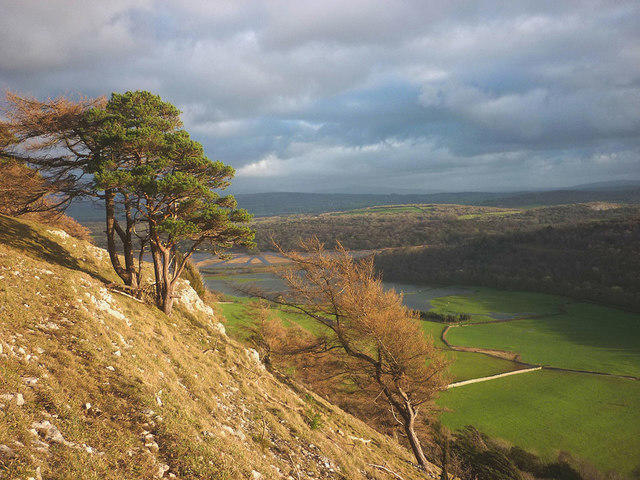 Photo could not load
SD4577 : East from Arnside Knott
Karl and Ali
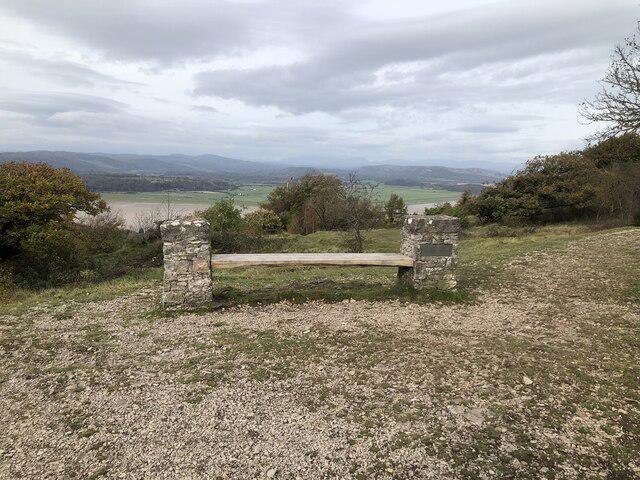 Photo could not load
SD4577 : A bench with a view
David Robinson
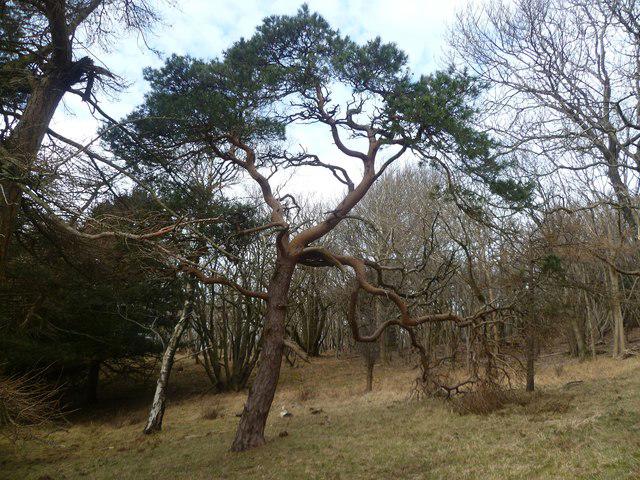
SD4577 : Scots Pine
Michael Graham
Hill facts and local notes
Classifications
Elevation
159m
522 ft
Prominence
151m
Coordinates
54.1902, -2.8350
SD456774
OS Map
97
Explorer: OL7S
At the Summit
DoBIH identifies a yew tree at SD 45612 77479, 12 m southeast of the trig point, as the 159.1 m summit. It records the trig point at SD 45602 77485 as 0.40 m lower and the knoll 90 m south as 0.75 m lower. The toposcope, knotted larch and other path-side yews are separate landmarks. Published route notes reach the trig area; they do not independently establish passage over the exact yew-tree high point.
Terrain & Geology
The National Landscape describes Carboniferous limestone formed from marine sediment, later shaped by ice and solution weathering. A 2011 Leeds Geological Association field report identifies Park Limestone on Arnside Knott and discusses fault blocks and frost-related scree. This is hill-scale evidence, not a formation survey at the precise summit coordinate.
Views & Scenery
Open viewpoints on the hill look towards the Lakeland fells, Yorkshire Dales, Trough of Bowland and Morecambe Bay in clear conditions. Views depend on weather and the particular viewpoint; they are not guaranteed at the exact yew-tree high point.
History & Heritage
Historical Significance
Cumbria County History Trust records Harnolvesheuet as an Arnside settlement-name spelling in 1184–90; these historical forms do not establish the meaning of the complete hill name. The National Trust recounts a tradition that honeymooners tied two larch saplings together around 1860. That knotted larch is distinct from the summit yew.
Getting There & Facilities
Parking
The short circuit starts at the National Trust Arnside Knott car park, SD450774, LA5 0BP, reached via Red Hills Road, Knott Lane and Saul’s Drive. The May 2021 access statement describes a narrow, sloping approach with a cattle grid and rough stone parking. Check current signs, availability and charges; no present-day capacity or opening hours are verified.
Public Transport
Arnside railway station is the starting area for the longer coastal circuit. Check the current train timetable and return service before travelling. No service frequency, direct connection or same-day operation is verified here; the shorter car-park circuit starts elsewhere.
Nearby Facilities
The National Trust’s May 2021 access statement reports no toilets or visitor building on Arnside Knott. It places public toilets just off Arnside promenade and refreshments in the village. Check current opening and payment arrangements before relying on them, and carry water for the walk.
Safety Information
Known Hazards
- Steep, uneven paths and loose limestone require care. Wet limestone can be slippery; there is a drop near the Arnside Tower viewpoint.
- Grazing cattle may be present. Follow local signs, leave gates as found and keep dogs on leads on the National Trust circuit.
- Coastal sections of the longer route have fast-moving tide and quicksand risks. Channels may fill well before high water. Check current conditions, stay on established shore paths and never shortcut across bay sands; this is not an all-tide route.
- Ticks occur in the wider National Landscape. Check yourself and dogs after the walk. The National Trust’s May 2021 statement reports poor mobile reception on parts of the site; do not rely solely on a phone for navigation.
General Safety Tips
- Check weather conditions before setting out
- Carry appropriate clothing and equipment
- Let someone know your planned route
- Take a map, compass, and GPS device
- Carry emergency supplies: food, water, first aid kit, torch
Hills
Some common questions about the hills answered
Are there group walks up Arnside Knott?
Many walkers use Walkmates to join or organise walks with others. You can check for group walks around Arnside Knott through the maps
Are there other walkers around Arnside Knott?
Activity varies by location and time, but Walkmates lets you see whether others have shared walks or shown interest in this area. Find other people through the walking friends search walking friends for Arnside Knott search or of course create your own walk for Arnside Knott
Can I organise a walk to Arnside Knott?
Yes. If there aren’t any walks listed already, you can create a walk and make it available for others to join.
If you're signed up to Walkmates, you can create a walk to Arnside Knott.
How do I find a walk up this hill?
There are often multiple ways to walk this hill, depending on experience and route preference. Walkmates helps you explore walks and routes that others have shared.
Can I suggest a new route up Arnside Knott?
Yes. You can suggest or create routes to share with others. Walkmates focuses on the social side of walking, so routes are used to help people organise walks and explore areas together, rather than as detailed navigation tools or route libraries.
Other uses really appreciate knowledgeable walkers sharing their routes. Share your favourite route to Arnside Knott here
The is an error or something incorrect about this hill. How do I let you know?
We always strive to keep the information on Walkmates as accurate as possible. If you find an error, please let us know through the contact form and we'll aim to correct it as quickly as possible
Community Discussion
Comments
Location
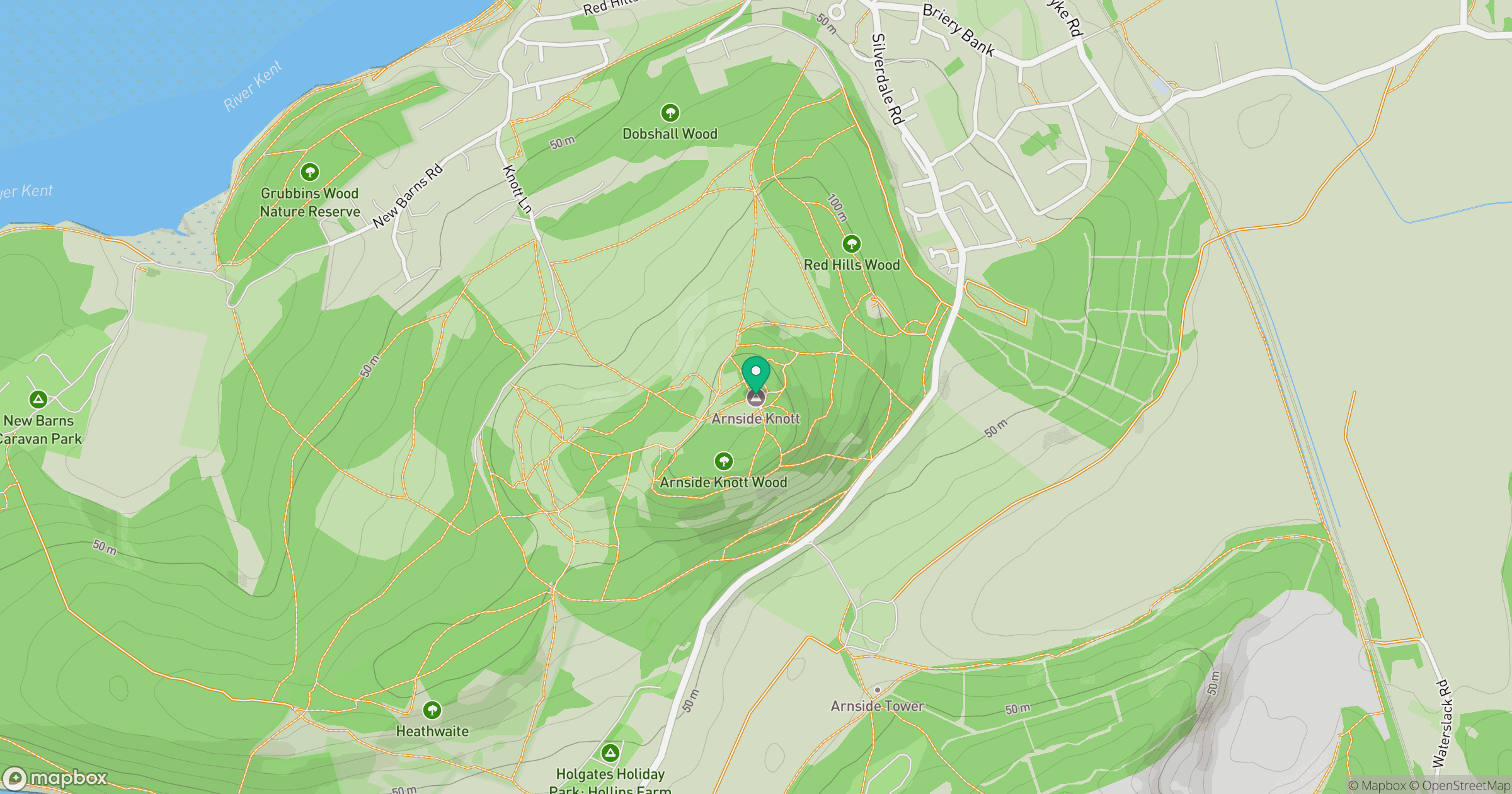
Grid reference: SD456774
View on OpenStreetMapOpens a map in a new tab, centred on the hill.
Nearby Hills
Red Screes
779m
Loughrigg Fell
335m
High Street
828m
Wetherlam
763m

The Old Man of Coniston [Coniston Old Man]
802m
No comments yet. Be the first.