

Scafell
Good walks are even better shared.
Overview
Scafell is England’s second-highest mountain, rising to 963.9 m in the Lake District’s Southern Fells. Wasdale and Eskdale approaches range from steep mountain walking to serious scrambling. Its neighbouring summit, Scafell Pike, is separated by cliffs: Broad Stand is a rock climb, and walkers linking the summits must use a longer route such as Foxes Tarn.
Scafell
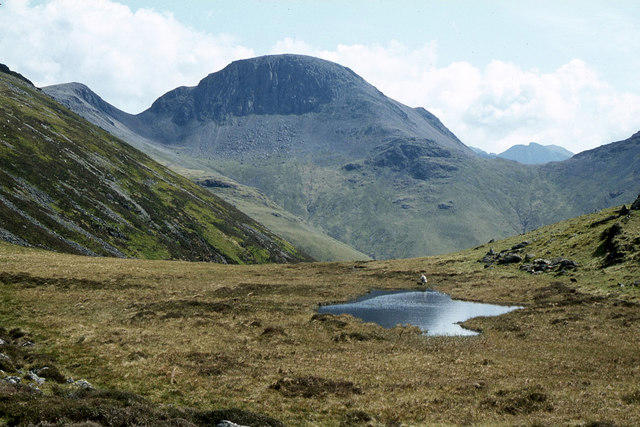
Scafell is England’s second-highest mountain, at 963.9 m (usually rounded to 964 m), in the Lake District’s Southern Fells. Scafell Pike is a separate, higher neighbour. The rocky scenery above Wasdale contrasts with the broad southern ridge towards Slight Side and Eskdale.
The essential route distinction
The Hollow Stones path and Lingmell Col lead to Scafell Pike. They do not provide a straightforward ascent of Scafell. Broad Stand, above Mickledore between the two mountains, involves rock climbing above dangerous drops.
A walking connection between the summits requires a substantial detour. The Foxes Tarn route drops down the Eskdale side of Mickledore before climbing a wet, rocky gully and scree to Scafell. Avoid the exposed traverse immediately beneath the East Buttress. Plan the descent as carefully as the ascent: the western Green How ridge leads towards Wasdale; the southern ridge via Slight Side leads into Eskdale.
Approaches and complete returns
- Wasdale via Green How: climb the western ridge from the Burnmoor Tarn bridleway and return by the same route to Lake Head. This avoids the northern crags but remains steep, with loose stone above and faint or boggy sections below.
- Both Scafells from Wasdale: climb Scafell Pike through Hollow Stones, continue via Mickledore and Foxes Tarn to Scafell, and return by Green How. WalkLakes’ complete circuit is 9.8 km with 1,143 m ascent.
- Eskdale via Cam Spout and Foxes Tarn: Walking Britain’s circuit starts at Wha House and returns over Slight Side. It is 15.4 km with 1,045 m ascent; the guide estimates 7 hours 50 minutes. Both the gully ascent and the rough descent demand care.
- Boot and Burnmoor Tarn: Walkscene’s out-and-back starts at Dalegarth station, passes through Boot and climbs by Hard Rigg/Green How. It is 9.8 miles, approximately 15.8 km, with a published 5-hour-30-minute estimate.
- Lord’s Rake: a specialist scrambling approach from Wasdale, with a return via Green How. Loose rock, falling stones and difficult navigation make this a serious choice. The full rake and the West Wall Traverse/Deep Gill are different variants; use a detailed guide for the chosen line.
Conditions and safety
Wasdale Mountain Rescue’s advice is essential reading before linking the two summits. There is no easy north- or eastward descent from Scafell. Poor visibility makes the correct exit difficult to identify, and descending the wrong gully can lead to cliffs.
Rain makes the Foxes Tarn gully slippery and may turn it into a substantial watercourse. Lingmell Gill, crossed on the Brown Tongue approach, can become unsafe after heavy rain. In winter, steep gullies and shaded slopes may hold hard snow or ice even when other ground is clear. Appropriate winter skills, crampons and an ice axe are needed when those conditions are present. Check a mountain forecast, carry a map and compass you can use, and allow enough daylight for the complete return.
Summit and landscape
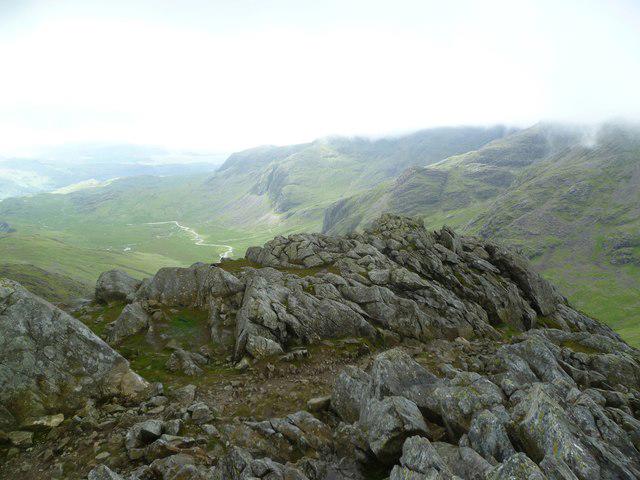
The surveyed high point is a cairn on rock north of a windshelter. In clear conditions the views include Scafell Pike, Great Gable, Wast Water, Burnmoor Tarn and the Coniston Fells.
Scafell’s rocks belong to the Borrowdale Volcanic Group, formed by volcanic activity roughly 450 million years ago. Erosion and glaciation have shaped the crags and valleys seen today.
Getting there
For the Wasdale approaches, use Lake Head National Trust car park beside Wasdale campsite, near NY183075. It is separate from Wasdale Head village green. The Trust lists pay-and-display parking, free for members, and temporary toilets. Eskdale starts include the small parking area opposite Wha House and the pay-and-display car park at Dalegarth for Boot station, which also has toilets and a café.
The Ravenglass & Eskdale Railway serves Dalegarth for Boot on its operating timetable. The Wasdale Explorer is seasonal; check its current timetable and the last return before relying on it. Do not assume a service from Keswick reaches the start of these routes.
Name and climbing history
The recorded form “Skallfeild” dates from 1578. A recognised interpretation combines Old Norse words for a bald or stony head and a mountain. Scafell’s crags have a major place in British climbing history: Central Buttress was first climbed in April 1914 by Siegfried Herford and George Sansom’s party.
Explore routes near Scafell
Walks starting near this hill. Open a route to check its map, distance and full itinerary.
Scafell Pike via Brown Tongue and Hollow Stones
View route
Scafell Pike from Seathwaite via the Corridor Route
View route
Great Carrs Halifax Wreckage from Wrynose Pass
View route
Bow Fell from Langdale
View route
Route planning notes
These notes describe possible approaches. Check a route's map and access information when planning your walk.
Wasdale via Green How, returning the same way
From Lake Head car park beside Wasdale campsite, take the Burnmoor Tarn bridleway and climb the western ridge via Green How to Scafell. Return down Green How to the bridleway and Lake Head. This steep grass-and-stone mountain route avoids the northern crags. Keep to the ridge route rather than dropping into scree gullies; the path can be faint across wet ground.
Eskdale via Cam Spout and Foxes Tarn, returning over Slight Side
Walking Britain’s complete circuit starts at Wha House and goes via Taw House, Scale Bridge and Cam Spout/How Beck to the wet rocky gully leading to Foxes Tarn and Scafell. Descend south via Long Green and Slight Side, then return on the Terrace Route past Cat Crag to Wha House. The published circuit is 15.4 km with 1,045 m ascent and a 7-hour-50-minute estimate. Expect scrambling, wet rock and a steep, sometimes indistinct descent.
Scafell Pike and Scafell via Foxes Tarn from Wasdale
WalkLakes’ 9.8 km circuit from Lake Head/Brackenclose climbs via Hollow Stones and Lingmell Col to Scafell Pike. Descend to Mickledore, then further down the Eskdale side to Foxes Tarn’s gully. Scramble up to the tarn and Scafell; return west via Green How and the Burnmoor Tarn bridleway. The circuit has 1,143 m ascent. Broad Stand is a rock climb, not a walking shortcut. Foxes Tarn involves loose scree and slippery rock; high water can make the gully unsuitable.
Dalegarth and Boot via Burnmoor Tarn, returning the same way
Start at Dalegarth for Boot station, walk through Boot past Eskdale Mill, and continue to Burnmoor Tarn. Climb the Hard Rigg/Green How approach to Scafell, then retrace the entire route to Dalegarth. Walkscene records 9.8 miles (about 15.8 km), approximately 900 m ascent and 5 hours 30 minutes for this return walk. The approach includes stream crossings, boggy ground and very steep upper slopes.
Wasdale via Lord’s Rake, returning by Green How
From Lake Head/Brackenclose climb beside Lingmell Gill and Brown Tongue, then leave the Mickledore approach for Lord’s Rake. Follow the full rake across its cols to Scafell’s upper western slope and summit; return by Green How and the Burnmoor Tarn bridleway. This excludes the separate West Wall Traverse/Deep Gill variant. For experienced scramblers: loose rock, rockfall and difficult route-finding make it a serious ascent; do not treat it as an easy descent.
Make a day of it, together
Find someone to share the walk with, or organise a day out along a route you like.
Photo Gallery
View all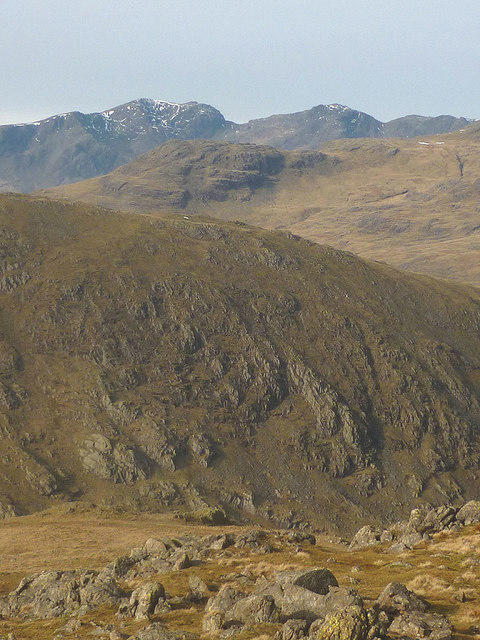 Photo could not load
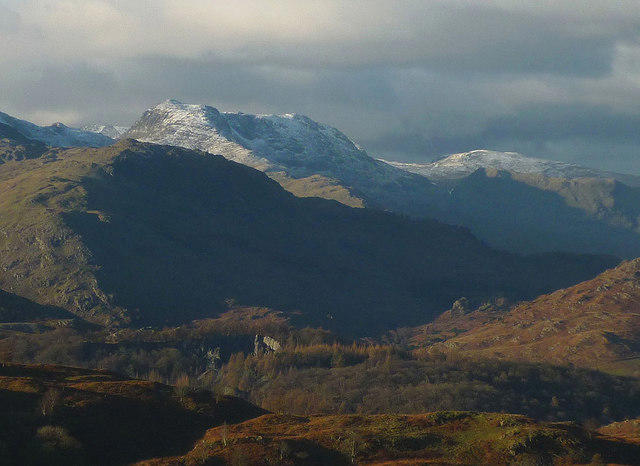
NY2006 : Last snow of winter?
Karl and Ali
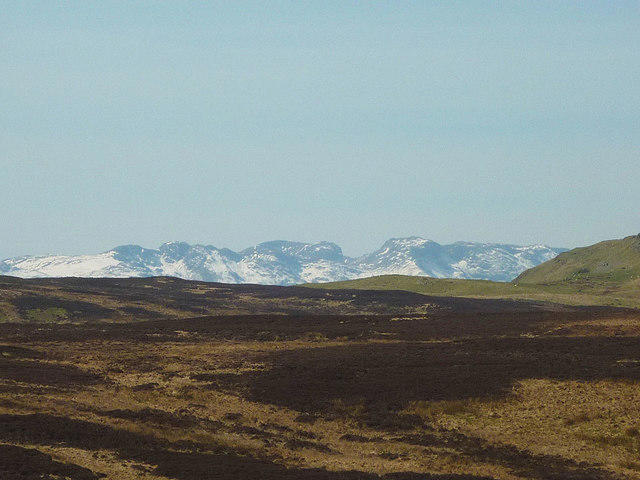 Photo could not load
NY2006 : Scafell from Potter Fell
Karl and Ali
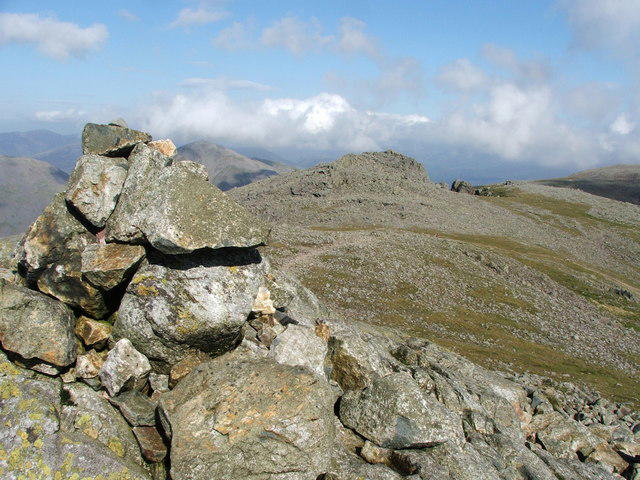 Photo could not load
NY2006 : Sca Fell Summit Cairn and Symonds Knott.
Steve Partridge
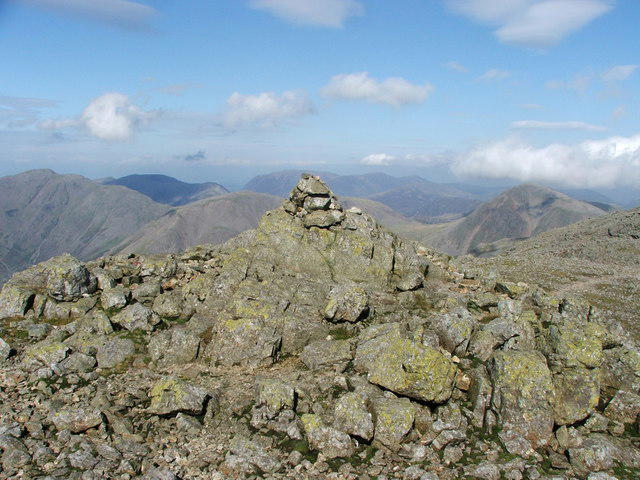 Photo could not load
NY2006 : Sca Fell Summit Cairn.
Steve Partridge
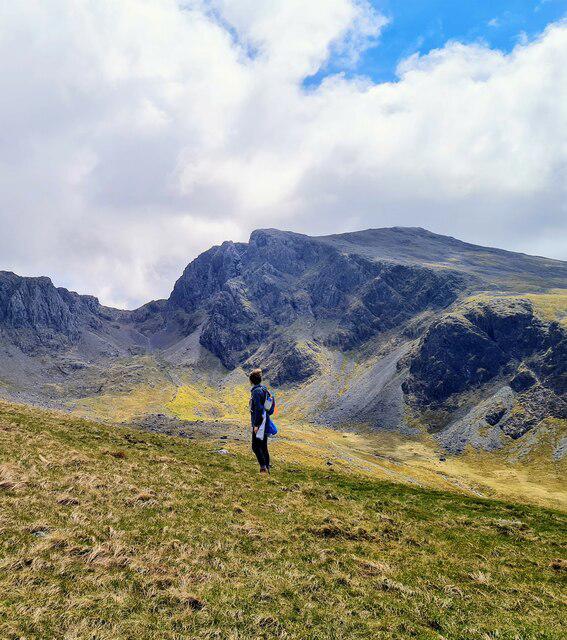 Photo could not load
NY2006 : Looking over to Symonds Knott & Sca Fell
Robert Dworak
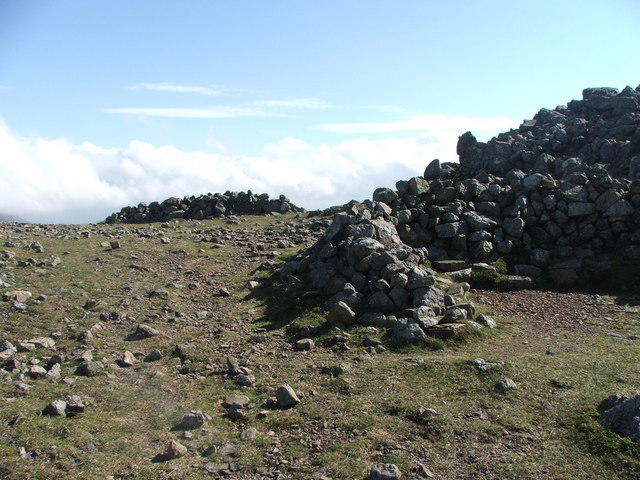 Photo could not load
NY2006 : Stone Shelters near Sca Fell Summit.
Steve Partridge
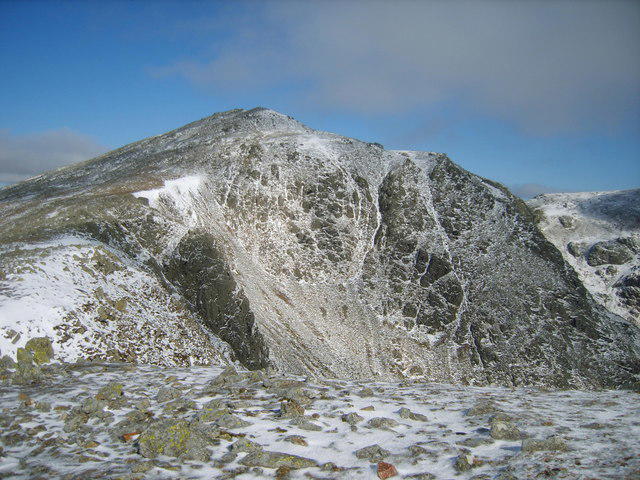 Photo could not load
NY2006 : Scafell
Michael Graham
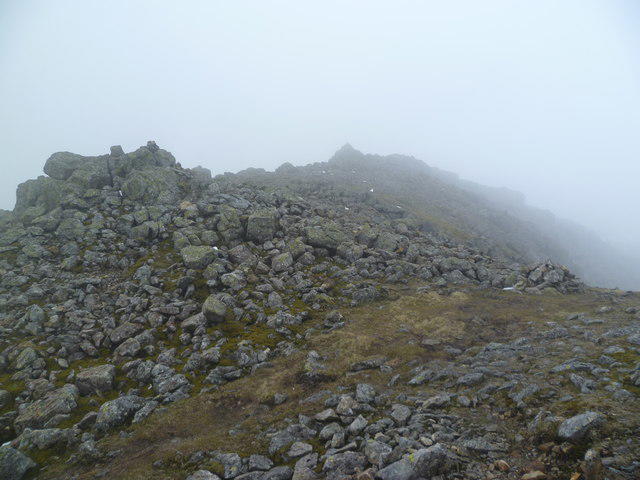 Photo could not load
NY2006 : On Scafell
Michael Graham
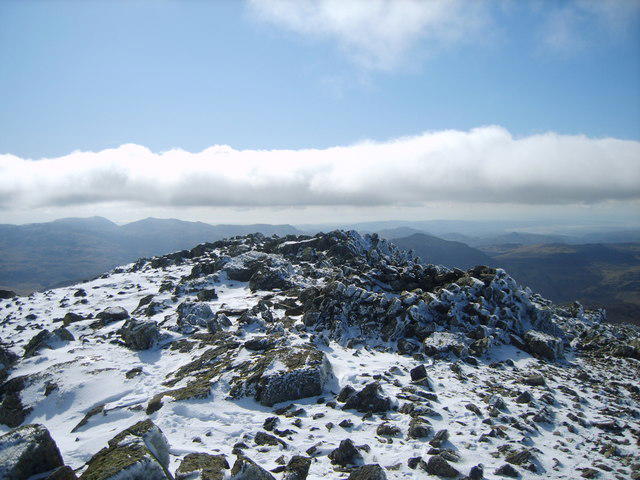 Photo could not load
NY2006 : Wind Shelter Scafell
Michael Graham
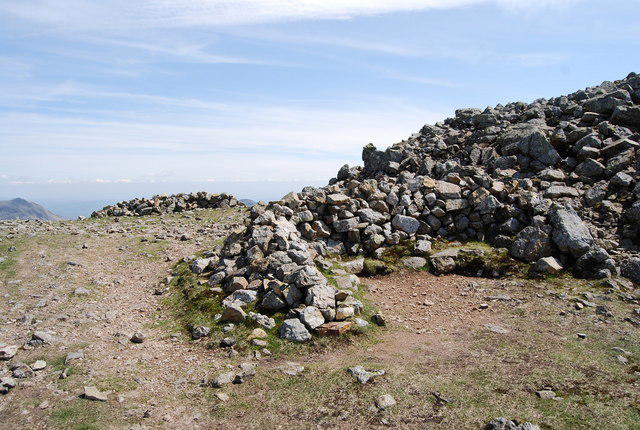
NY2006 : Windshelter & seats near Scafell's summit
N Chadwick
Hill facts and local notes
Classifications
Elevation
964m
3,162 ft
Prominence
132m
Coordinates
54.4475, -3.2247
NY206064
OS Map
89 90
Explorer: OL6N
At the Summit
Cairn on rock north of a windshelter, as recorded by the Database of British and Irish Hills.
Terrain & Geology
Scafell belongs to the Borrowdale Volcanic Group: ancient volcanic rocks formed roughly 450 million years ago. Erosion and glaciation have shaped its crags and surrounding valleys.
Views & Scenery
In clear conditions, views include Scafell Pike, Great Gable, Wast Water, Burnmoor Tarn and the Coniston Fells.
History & Heritage
Name Origin
Recorded as Skallfeild in 1578. A recognised interpretation combines Old Norse skalli, a bald or stony head, with fjall, mountain or fell.
Historical Significance
Scafell’s crags are important in the history of British rock climbing. Central Buttress was first climbed in April 1914 by Siegfried Herford and George Sansom’s party.
Getting There & Facilities
Parking
Wasdale: Lake Head National Trust car park beside the campsite, near NY183075, separate from Wasdale Head village green. Pay and display; free for National Trust members. Eskdale: small parking area opposite Wha House, or paid parking at Dalegarth for Boot station for the Burnmoor Tarn route.
Public Transport
The Ravenglass & Eskdale Railway serves Dalegarth for Boot on its operating timetable. The Wasdale Explorer links Ravenglass and Gosforth with Wasdale on a seasonal schedule. Check operating dates and the last return before planning a mountain walk around either service.
Nearby Facilities
The National Trust lists temporary toilets at Lake Head car park. Dalegarth for Boot station has toilets and a café. There are no visitor facilities at Scafell’s summit; carry food, water and mountain equipment.
Safety Information
Known Hazards
- Broad Stand between Scafell and Mickledore is a rock climb above dangerous drops, not a walking shortcut to Scafell Pike. Avoid the exposed traverse directly beneath the East Buttress.
- The Foxes Tarn connection requires extra descent and ascent, with steep scree and a wet rocky gully. High water can make the gully unsuitable. Lord’s Rake is a separate serious scramble with loose rock and rockfall hazards.
- There is no easy descent north or east from Scafell. Use the planned Green How route towards Wasdale or the southern ridge via Slight Side towards Eskdale; avoid scree-gully shortcuts and navigate carefully in cloud.
- Lingmell Gill on the Brown Tongue approach can be unsafe to cross after heavy rain, including on the return. Carry a map and compass and know how to use them.
Seasonal Hazards
Snow and ice can persist in shaded gullies and on steep north- and east-facing slopes. Foxes Tarn and the crag routes become winter mountaineering terrain when frozen. These conditions require suitable experience, crampons and an ice axe with the skills to use them. High winds, low cloud and short daylight can make navigation and the full return substantially harder.
General Safety Tips
- Check weather conditions before setting out
- Carry appropriate clothing and equipment
- Let someone know your planned route
- Take a map, compass, and GPS device
- Carry emergency supplies: food, water, first aid kit, torch
Hills
Some common questions about the hills answered
Are there group walks up Scafell?
Many walkers use Walkmates to join or organise walks with others. You can check for group walks around Scafell through the maps
Are there other walkers around Scafell?
Activity varies by location and time, but Walkmates lets you see whether others have shared walks or shown interest in this area. Find other people through the walking friends search walking friends for Scafell search or of course create your own walk for Scafell
Can I organise a walk to Scafell?
Yes. If there aren’t any walks listed already, you can create a walk and make it available for others to join.
If you're signed up to Walkmates, you can create a walk to Scafell.
How do I find a walk up this hill?
There are often multiple ways to walk this hill, depending on experience and route preference. Walkmates helps you explore walks and routes that others have shared.
Can I suggest a new route up Scafell?
Yes. You can suggest or create routes to share with others. Walkmates focuses on the social side of walking, so routes are used to help people organise walks and explore areas together, rather than as detailed navigation tools or route libraries.
Other uses really appreciate knowledgeable walkers sharing their routes. Share your favourite route to Scafell here
The is an error or something incorrect about this hill. How do I let you know?
We always strive to keep the information on Walkmates as accurate as possible. If you find an error, please let us know through the contact form and we'll aim to correct it as quickly as possible
Community Discussion
Comments
Location
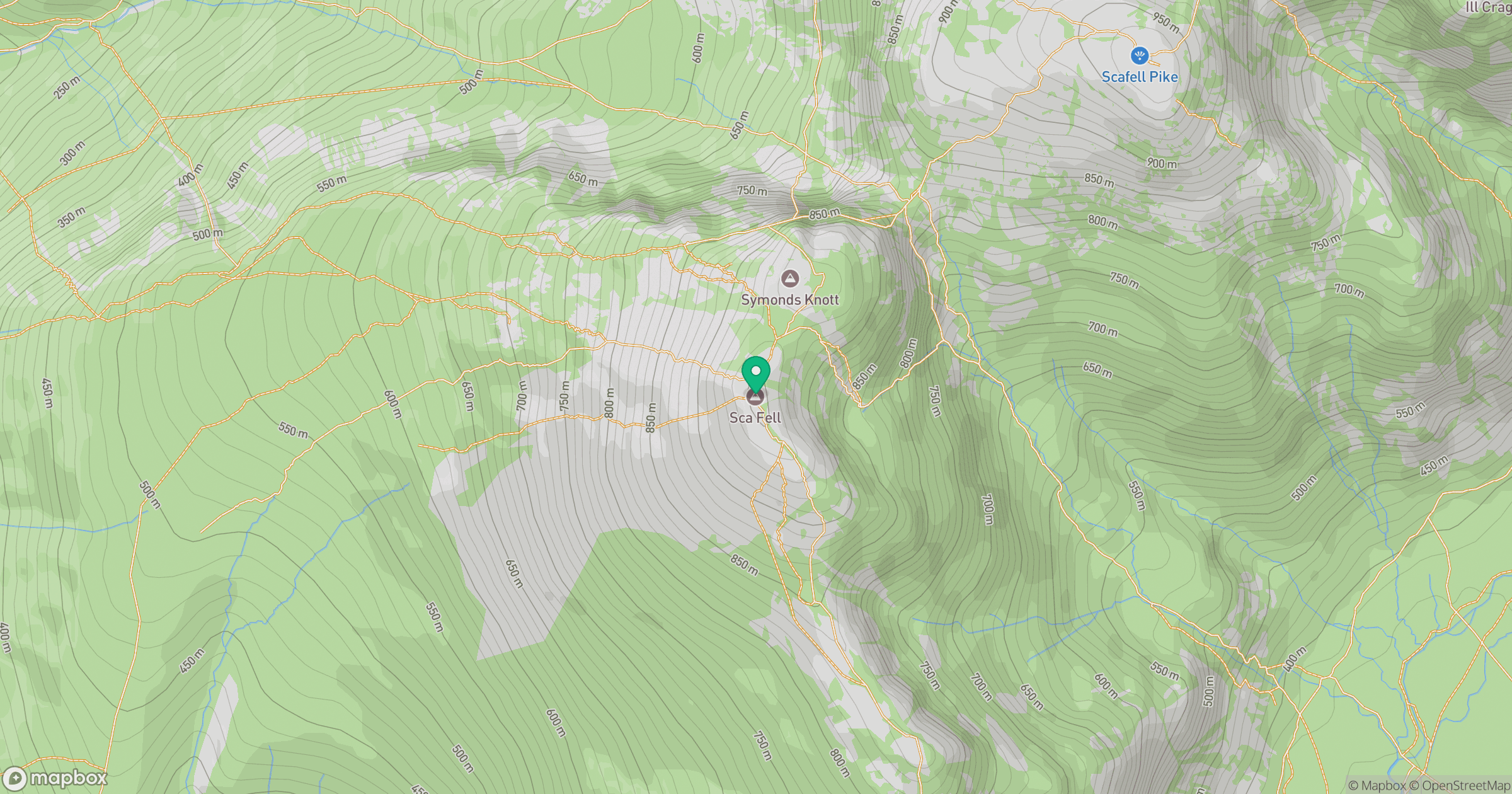
Grid reference: NY206064
View on OpenStreetMapOpens a map in a new tab, centred on the hill.
No comments yet. Be the first.