

Sawel
Good walks are even better shared.
H6197 : Sawel summit
Rossographer Photo source
Overview
Sawel (678 m) is the highest mountain in the Sperrins, Northern Ireland, and a high point of the historic counties of Derry/Londonderry and Tyrone. The short approach starts at the Sperrin Road pass between Park and Sperrin, climbing steep, wet moorland to the summit trig pillar. This is an unwaymarked hill walk, with a same-way return.
Sawel
Sawel rises to 678 m in the Sperrin Mountains of Northern Ireland. It is the range’s highest mountain and is listed by DoBIH as a historic county top of Derry/Londonderry and Tyrone. Its broad, exposed upper slopes sit above the Glenelly Valley. The summit has a trig pillar on a low mound of stones and peat; DoBIH identifies the natural high point as a rock 2 m east of the pillar.
Sperrin Road summit-and-return walk
Begin at the roadside lay-by beside the cattle grid on the highest part of the road between Park and Sperrin. The ascent heads west beside a fence, climbing steep grassy and peaty ground to Sawel. Reach the trig pillar, then return by the same line to the same lay-by. The walk is unwaymarked and can be very boggy. This is not a route starting in Draperstown.
10Adventures publishes 5 km for the complete return walk, 361 m of ascent and an estimated 2–2.5 hours. These figures belong to that guide’s route. Wet ground and poor visibility can slow progress.
Dart Mountain (619 m) lies southwest of Sawel. It is a separate summit beyond a descent to a saddle, not part of this short return walk. Longer routes from Glenelly and routes continuing over Dart must be planned with their own return; their distances and ascent cannot be added implicitly to the pass route.
Access and practicalities
The pass has limited roadside parking. Keep the carriageway, gateways and farm access unobstructed. Use gates and stiles, leave gates as found and follow landowner instructions. Northern Ireland’s countryside access depends on the relevant right or the owner’s permission and goodwill; a published walking route does not itself grant access. Organised groups should check the proposed route with the landowner.
Do not bring a dog without the landowner’s agreement. On land containing livestock, it must be controlled on a lead held by the handler. Bring food and drinking water for the walk.
Terrain and safety
The steep, wet approach and broad upper slopes require hillwalking navigation. In low cloud, identify the correct line back to the pass with a map and compass; a fence alone is not a complete navigation plan. Prolonged rain increases the difficulty of the peat and grassy slopes. Dry vegetation can carry wildfire: avoid open fires and hill barbecues, leave any fire area and call 999.
For a mountain emergency, call 999 or 112 and ask for Police, then Mountain Rescue.
Landscape, name and history
The wider Sperrins contain ancient metamorphic rocks, including schists formed from older sediments and volcanic material. Moorland, peat and heath cover much of the range. Nearby skyline features include Dart Mountain to the southwest and Meenard Mountain to the northeast; Mullaghclogha (635 m) is another summit farther west.
Paul Tempan records Samhail Phite Méabha, meaning “resemblance of Maeve’s vulva”, and suggests that the name refers to the glen on Sawel’s southern side. In 1827, Portlock’s Ordnance Survey team used Sawel as a triangulation station. Peter and Frances Wilson’s 2025 research suggests the low summit mound may be a surviving remnant of that survey cairn.
Explore routes near Sawel
Walks starting near this hill. Open a route to check its map, distance and full itinerary.
Peatlands Park Red Trail: Annagarriff Wood and Derryadd Lough
View route
Portballintrae to Giant's Causeway: railway path and Blue Trail return
View route
Portadown to Knock Bridge: Bann Boulevard and Moneypenny’s Lock
View route
Scarva to Poyntzpass: Newry Canal and Lough Shark Return
View route
Route planning notes
These notes describe possible approaches. Check a route's map and access information when planning your walk.
Sperrin Road pass to Sawel and back
Start at the lay-by by the cattle grid on the Park–Sperrin road pass. Climb west beside the fence over steep, boggy, unwaymarked ground to Sawel’s summit trig pillar, then retrace the same route to the lay-by. 10Adventures publishes 5 km return, 361 m ascent and 2–2.5 hours. Dart Mountain is not included.
Make a day of it, together
Find someone to share the walk with, or organise a day out along a route you like.
Photo Gallery
View all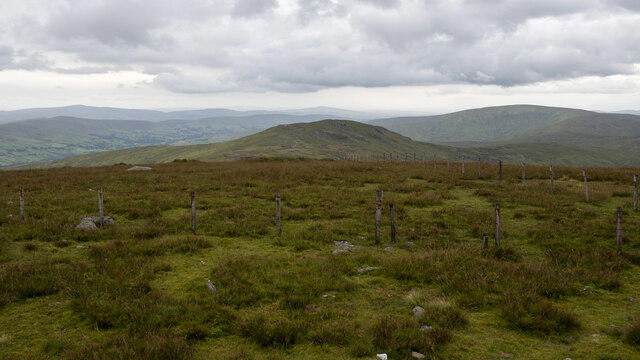 Photo could not load
H6197 : Sawel summit
Rossographer
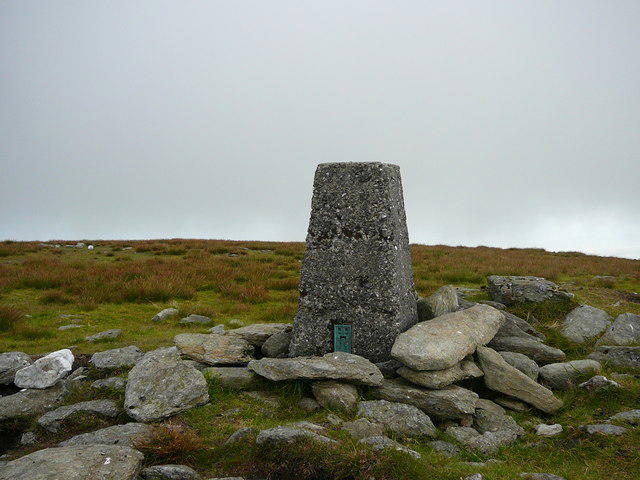 Photo could not load
H6197 : The summit trig point on Sawel Mountain
Colin Park
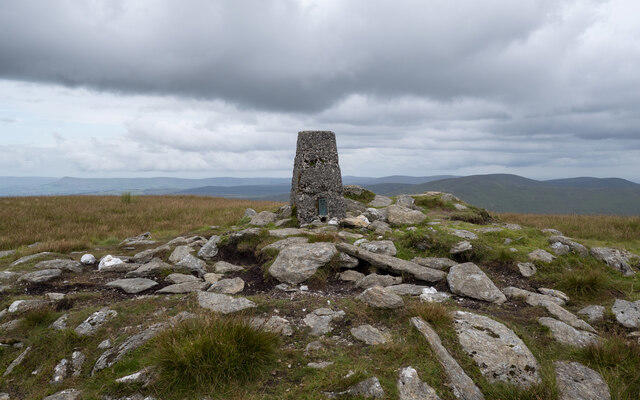 Photo could not load
H6197 : Sawel Triangulation Pillar
Rossographer
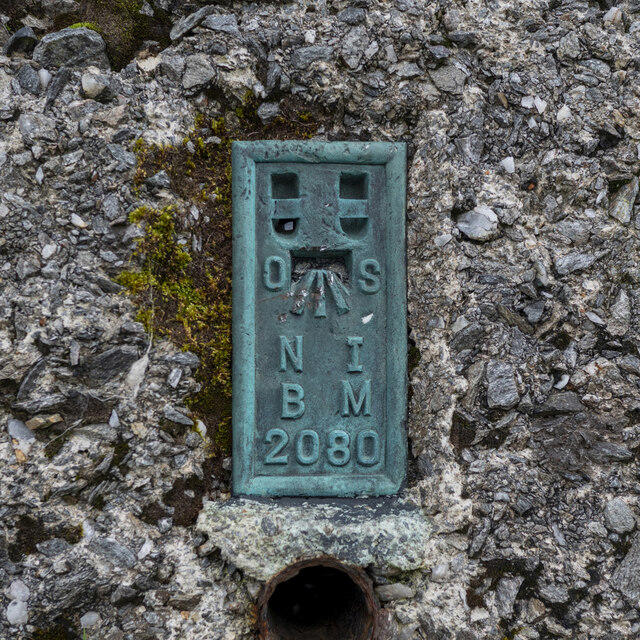 Photo could not load
H6197 : Flush Bracket, Sawel Triangulation Pillar
Rossographer
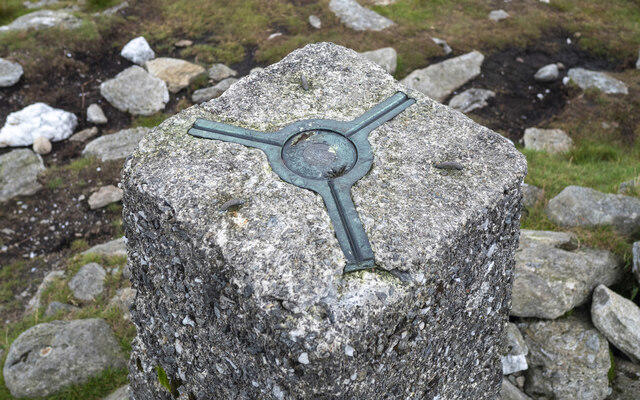 Photo could not load
H6197 : Spider, Sawel Triangulation Pillar
Rossographer
Hill facts and local notes
Classifications
Elevation
678m
2,224 ft
Prominence
580m
Coordinates
54.8197, -7.0394
H617973
OS Map
13
At the Summit
A concrete trig pillar stands on a low mound of stones and peat. The DoBIH summit feature is a rock 2 m east of the trig point.
Terrain & Geology
Sawel is part of the Sperrins’ ancient metamorphic terrain. The British Geological Survey describes schists and related rocks formed by heat and pressure acting on older sedimentary and volcanic rocks during mountain building.
Views & Scenery
The summit overlooks the surrounding Sperrin ridges, with Dart Mountain to the southwest and Meenard Mountain to the northeast. Views depend on cloud and visibility.
History & Heritage
Name Origin
Paul Tempan records the Irish name Samhail Phite Méabha, meaning “resemblance of Maeve’s vulva”, and suggests it refers to the glen on Sawel’s southern side.
Historical Significance
Sawel was a station in the Ordnance Survey’s nineteenth-century triangulation of Ireland. Portlock’s survey party occupied the summit in 1827. Research by Peter and Frances Wilson suggests that the low mound beneath the modern trig pillar may survive from that survey cairn.
Getting There & Facilities
Parking
The direct route starts from the small roadside lay-by by the cattle grid at the highest point of Sperrin Road, between Park and Sperrin. Space is limited; keep the road, gates and farm access clear.
Nearby Facilities
Bring food and drinking water for the hill walk; the start is a roadside lay-by.
Safety Information
Known Hazards
- The direct ascent is steep and often wet or boggy, with no waymarks. Low cloud can obscure the broad summit and descent; know the return direction and navigate with a map and compass rather than relying only on the fence.
- Respect landowner instructions and use gates or stiles without damaging fences. Keep gateways and the narrow pass road clear when parking.
- Do not assume dogs are permitted on this grazed hill. Obtain the landowner’s agreement before bringing one; where livestock are present, a dog must be on a lead held by its handler.
- For a mountain emergency, call 999 or 112, ask for Police, then Mountain Rescue.
Seasonal Hazards
Prolonged rain makes the peat and steep grassy slopes wetter and slower to cross. In dry spells, avoid open fires and barbecues on the hill; if you encounter a wildfire, leave the area and call 999.
General Safety Tips
- Check weather conditions before setting out
- Carry appropriate clothing and equipment
- Let someone know your planned route
- Take a map, compass, and GPS device
- Carry emergency supplies: food, water, first aid kit, torch
Hills
Some common questions about the hills answered
Are there group walks up Sawel?
Many walkers use Walkmates to join or organise walks with others. You can check for group walks around Sawel through the maps
Are there other walkers around Sawel?
Activity varies by location and time, but Walkmates lets you see whether others have shared walks or shown interest in this area. Find other people through the walking friends search walking friends for Sawel search or of course create your own walk for Sawel
Can I organise a walk to Sawel?
Yes. If there aren’t any walks listed already, you can create a walk and make it available for others to join.
If you're signed up to Walkmates, you can create a walk to Sawel.
How do I find a walk up this hill?
There are often multiple ways to walk this hill, depending on experience and route preference. Walkmates helps you explore walks and routes that others have shared.
Can I suggest a new route up Sawel?
Yes. You can suggest or create routes to share with others. Walkmates focuses on the social side of walking, so routes are used to help people organise walks and explore areas together, rather than as detailed navigation tools or route libraries.
Other uses really appreciate knowledgeable walkers sharing their routes. Share your favourite route to Sawel here
The is an error or something incorrect about this hill. How do I let you know?
We always strive to keep the information on Walkmates as accurate as possible. If you find an error, please let us know through the contact form and we'll aim to correct it as quickly as possible
Community Discussion
Comments
Location
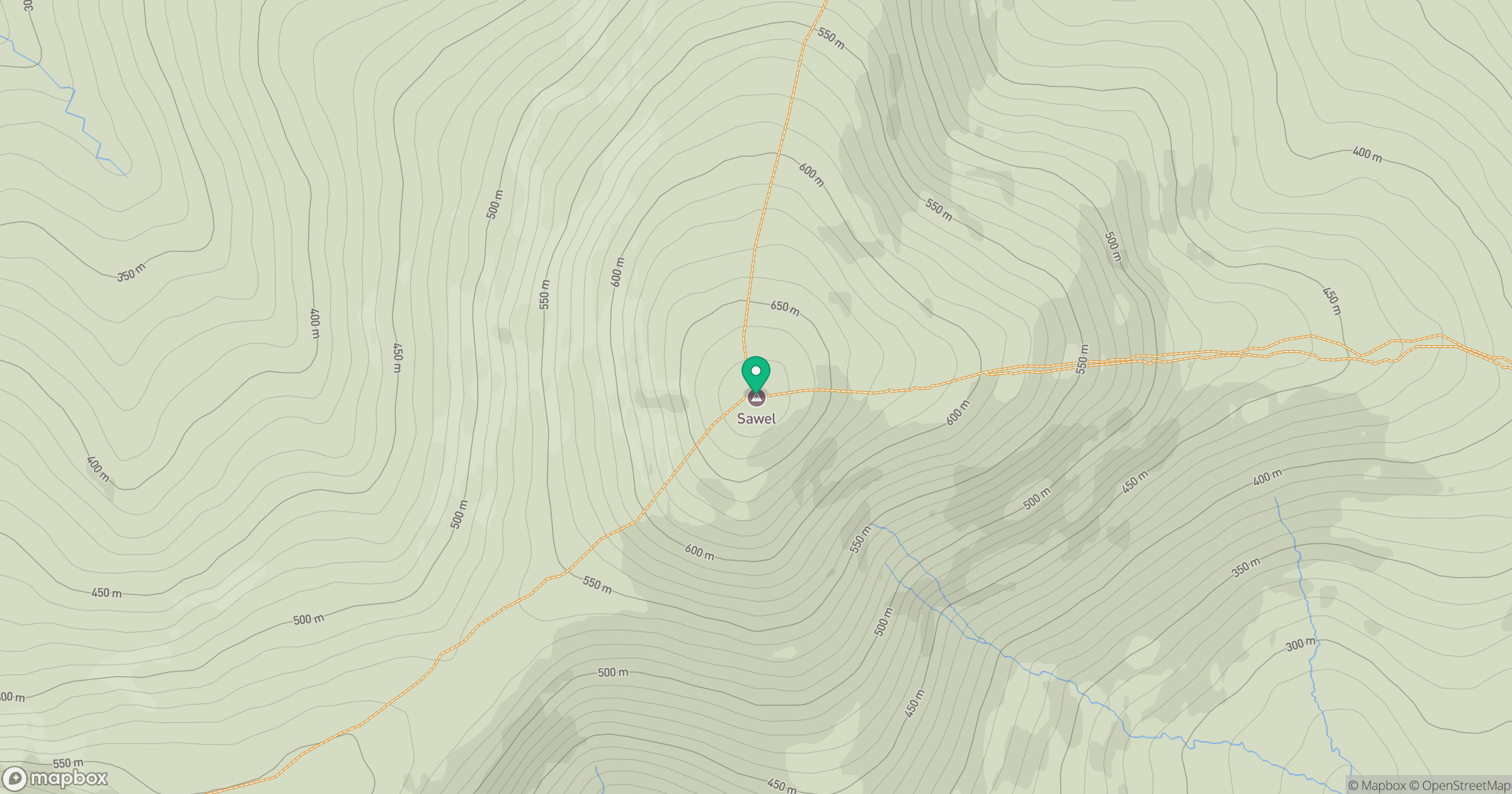
Grid reference: H617973
View on OpenStreetMapOpens a map in a new tab, centred on the hill.
Nearby Hills
Binevenagh
385m
Slieve Gullion
576m
Cuilcagh [Binn Chuilceach]
666m
Muckish [An Mhucais]
667m
Divis
478m
No comments yet. Be the first.