

Ben Hiant
Good walks are even better shared.
NM5363 : Ben Hiant
Richard Webb Photo source
Overview
Ben Hiant is a 528 m Marilyn on the Ardnamurchan peninsula in mainland Scotland. The peninsula’s highest hill overlooks Loch Sunart and the Sound of Mull, with views towards Mull and the Small Isles in clear weather. The standard summit walk follows the northeast approach from the high point of the B8007 and returns by the same path.
Ben Hiant, Ardnamurchan
Ben Hiant rises to 528 m on the Ardnamurchan peninsula in mainland Scotland. This Marilyn is the peninsula's highest hill, overlooking Loch Sunart and the Sound of Mull. Its grassy ridge and rocky summit offer views towards Mull, Eigg and Rùm in clear weather.
B8007 summit walk and return
Start at the small roadside parking area beside a gated track at the high point of the B8007, grid reference NM551641. Cross carefully to the path opposite. Follow the northeast approach over grassy slopes and steeper rocky ground to the ridge. Near the final summit cone, the established path skirts its southern side before turning up to the summit. Return by the same path to the same roadside start.
Walkhighlands gives 4.5 km, 347 m of ascent and 2–3 hours for this complete out-and-back. Western approaches and coastal walks around Bourblaige or Camas nan Geall are separate outings. The route has steep, rocky and boggy sections, so allow for conditions and take care descending.
Summit and landscape
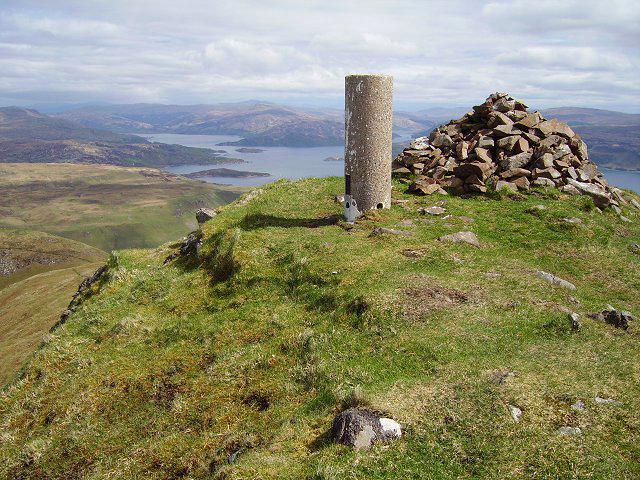
A cairn and trig point mark the top. The Database of British and Irish Hills identifies the summit cairn as 3 m south of the trig point. Clear-weather views take in Loch Sunart, the Sound of Mull, Mull and the Small Isles, with Kilchoan to the west.
Ben Hiant's summit is formed by quartz-dolerite sheets that intruded into older rocks during Ardnamurchan's Palaeogene igneous activity. The British Geological Survey interprets the associated conglomerates and breccias as deposits from debris flows and avalanches. The hill's geological history is more complex than a surviving volcanic cone.
Bog, heath and grassland on Ben Hiant form part of the Sunart SSSI/SAC landscape. Stay on the established path where possible and avoid damaging vegetation.
Access, parking and safety
Roadside parking is limited. Follow current signs, leave the gated track and road unobstructed, avoid damaging verges and never park in passing places. The parking grid NM551641 is separate from the summit grid NM537632.
Check estate activity and local signs before walking. Deer management can take place throughout the year. Ardnamurchan Estate advertises stag stalking from 31 August to 20 October and hind stalking from 21 October to 20 December; these are annual activity windows, not a blanket hill closure. Follow reasonable advice on alternative routes, avoid disturbing stalking and keep dogs in sight and under control.
The ridge and summit are exposed to wind and low cloud. Check the forecast, carry suitable clothing and navigation equipment, and take particular care on wet rock and boggy ground. Return along the established approach rather than attempting a shortcut through the summit crags.
Getting there and facilities
Kilchoan is the nearby village west of the hill. Shiel Buses runs a limited route 506 service through the area, but a stop at the summit-path start is not confirmed. Ask the operator about stopping arrangements and both journeys before planning a visit around public transport. Check the current operator information.
Kilchoan Community Centre on Pier Road lists toilets, showers, tourist information and a cafe. Check opening times before relying on these village facilities. Bring drinking water and any food needed for the hill.
History and name
Bourblaige, on the southeastern slopes, is a deserted township separate from the summit route. Historic Environment Scotland records it on an 1806 estate plan and considers many buildings likely to have been abandoned shortly before 1829. Leave buildings and archaeological remains undisturbed.
The name may mean “blessed mountain”, as suggested by Scotland Off the Beaten Track.
Explore routes near Ben Hiant
Walks starting near this hill. Open a route to check its map, distance and full itinerary.
Banavie to Glen Loy Aqueduct: Neptune’s Staircase Canal Towpath
View route
Ben Nevis via Mountain Path
View route
Crinan Canal: Bellanoch and Dunardry towpath return
View route
Route planning notes
These notes describe possible approaches. Check a route's map and access information when planning your walk.
Ben Hiant from the B8007: summit and return
Start and finish at the B8007 high point, NM551641. From the limited roadside parking area beside a gated track, cross carefully to the path opposite. Follow the northeast approach over grassy slopes and steeper rocky ground to the ridge. The established path skirts the southern side of the final summit cone before reaching the cairn and trig point. Retrace the same path to the roadside start. Walkhighlands gives 4.5 km, 347 m of ascent and 2–3 hours for the complete return. Expect boggy and slippery sections. Keep gates and tracks clear, never park in passing places, and check current estate activity and signs.
Make a day of it, together
Find someone to share the walk with, or organise a day out along a route you like.
Photo Gallery
View all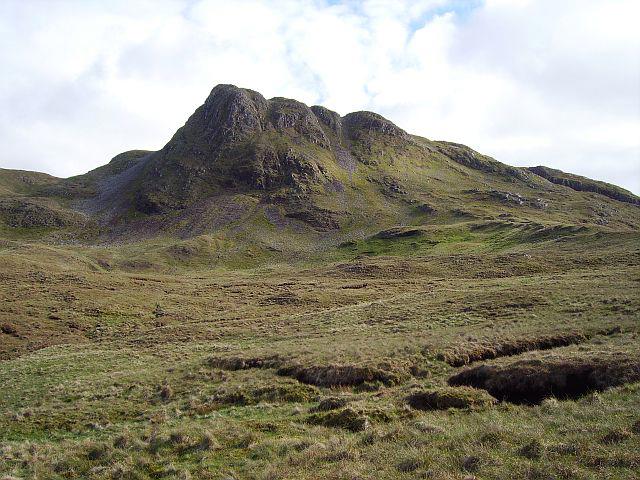 Photo could not load
NM5363 : Ben Hiant
Richard Webb
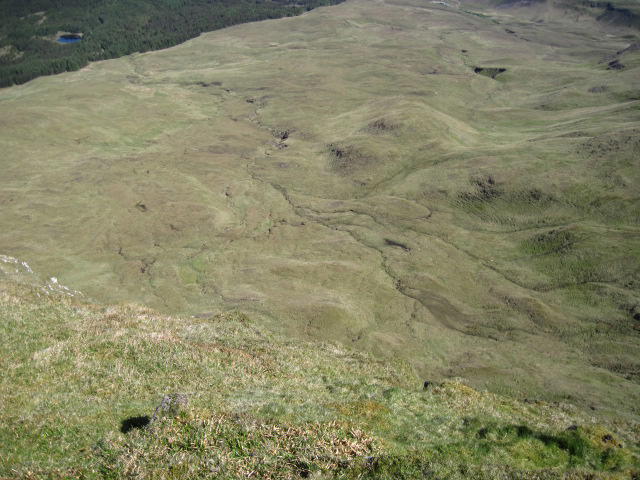 Photo could not load
NM5363 : Northern slope of Ben Hiant
Chris Wimbush
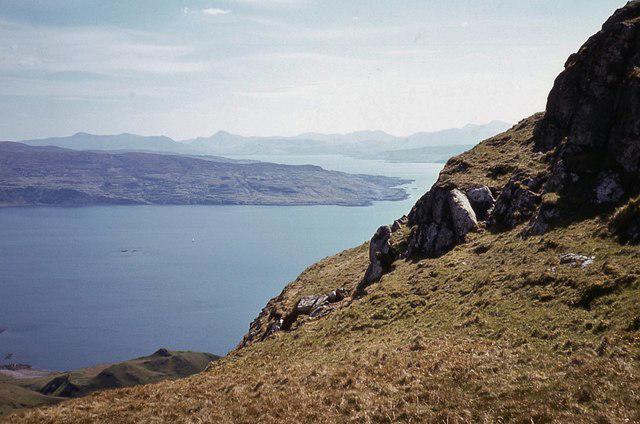 Photo could not load
NM5363 : South slopes of Ben Hiant
Alan Reid
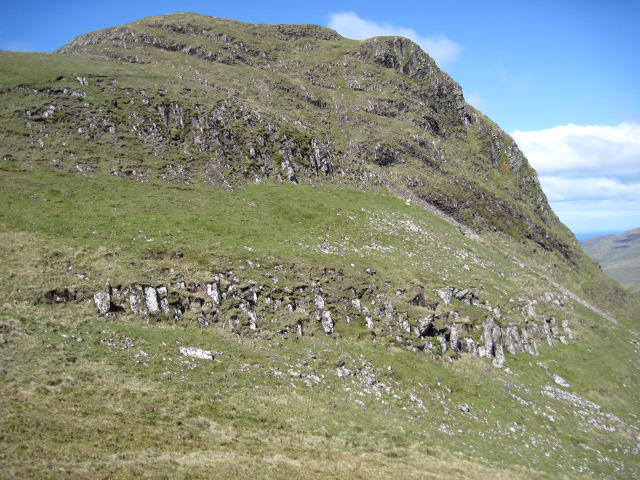 Photo could not load
NM5363 : East face of Ben Hiant
Chris Wimbush
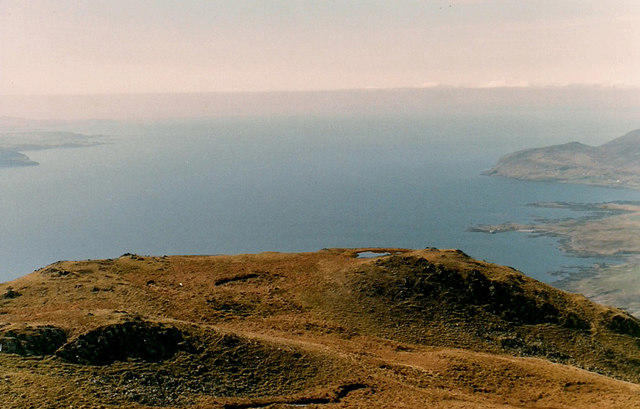 Photo could not load
NM5363 : Summit of Ben Hiant
Peter Bond
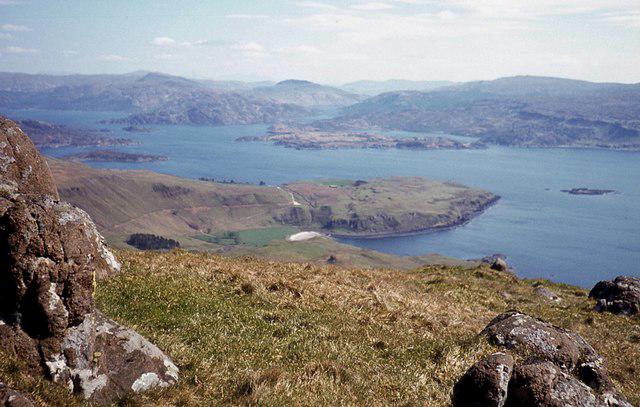 Photo could not load
NM5363 : The view eastwards from Ben Hiant
Alan Reid
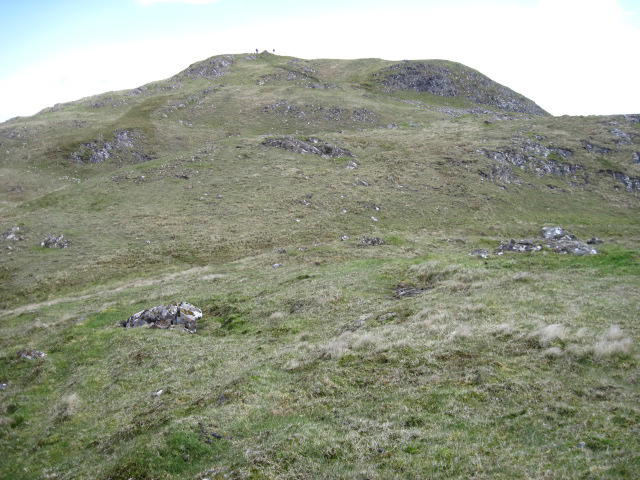 Photo could not load
NM5363 : Ben Hiant top from west side
Chris Wimbush
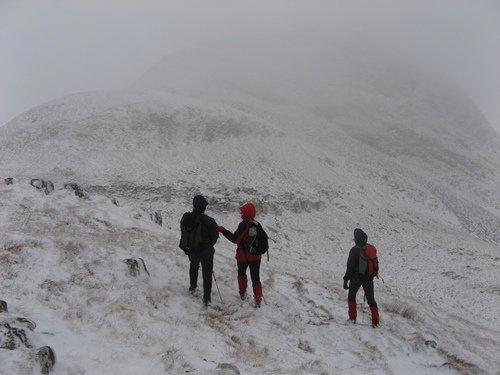 Photo could not load
NM5363 : Nearing summit of Ben Hiant in near white out
trevor willis
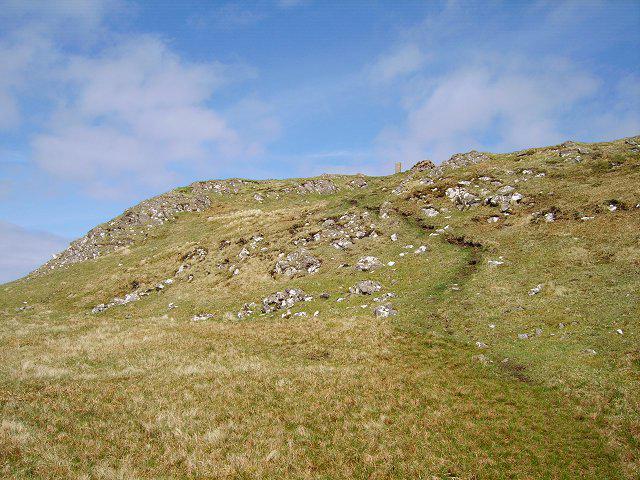 Photo could not load
NM5363 : The summit, Ben Hiant
Richard Webb
NM5363 : Ben Hiant
Richard Webb
Hill facts and local notes
Classifications
Elevation
528m
1,732 ft
Prominence
463m
Coordinates
56.6960, -6.0235
NM537632
OS Map
47
Explorer: 390W
At the Summit
A cairn and trig point mark the summit. The Database of British and Irish Hills records the summit cairn as 3 m south of the trig point.
Terrain & Geology
Quartz-dolerite sheets form Ben Hiant’s summit, intruding older rocks during Ardnamurchan’s Palaeogene igneous activity. The British Geological Survey interprets the associated conglomerates and breccias as deposits from debris flows and avalanches. The hill records a complex history of lava, fragmental deposits and later intrusions.
Views & Scenery
In clear weather the summit overlooks Loch Sunart and the Sound of Mull, with views towards Mull, Eigg and Rùm. Kilchoan lies to the west.
History & Heritage
Name Origin
The name may mean “blessed mountain”, as suggested by Scotland Off the Beaten Track.
Historical Significance
Bourblaige, on Ben Hiant’s southeastern slopes, is a deserted township separate from the summit route. Historic Environment Scotland records it on an 1806 estate plan and considers many buildings likely to have been abandoned shortly before 1829.
Getting There & Facilities
Parking
Limited roadside gravel parking beside a gated track at the high point of the B8007, NM551641. The summit path begins opposite. Follow current signs and park only where the road, gate and track remain clear; avoid damaging verges and never park in passing places.
Public Transport
Shiel Buses route 506 provides a limited Kilchoan–Fort William service through the area, including Kilmory crossroads and Ardslignish. A stop at the Ben Hiant path is not confirmed. Check stopping arrangements and both journeys with the operator before travel: https://www.shielbuses.co.uk/route-506-new
Nearby Facilities
Kilchoan Community Centre on Pier Road lists toilets, showers, tourist information and a cafe. Check opening times before relying on these village facilities. Bring drinking water and any food needed for the hill.
Safety Information
Known Hazards
- The path has steep rocky sections and boggy or slippery ground; wear footwear with good grip and take care on the descent.
- The ridge and summit are exposed to strong wind and low cloud. Check the forecast and carry suitable clothing and navigation equipment; avoid shortcuts through the summit crags.
- Check estate activity and current signs. Deer management can take place year-round; follow reasonable advice on alternative routes, avoid disturbing stalking and keep dogs in sight and under control.
General Safety Tips
- Check weather conditions before setting out
- Carry appropriate clothing and equipment
- Let someone know your planned route
- Take a map, compass, and GPS device
- Carry emergency supplies: food, water, first aid kit, torch
Hills
Some common questions about the hills answered
Are there group walks up Ben Hiant?
Many walkers use Walkmates to join or organise walks with others. You can check for group walks around Ben Hiant through the maps
Are there other walkers around Ben Hiant?
Activity varies by location and time, but Walkmates lets you see whether others have shared walks or shown interest in this area. Find other people through the walking friends search walking friends for Ben Hiant search or of course create your own walk for Ben Hiant
Can I organise a walk to Ben Hiant?
Yes. If there aren’t any walks listed already, you can create a walk and make it available for others to join.
If you're signed up to Walkmates, you can create a walk to Ben Hiant.
How do I find a walk up this hill?
There are often multiple ways to walk this hill, depending on experience and route preference. Walkmates helps you explore walks and routes that others have shared.
Can I suggest a new route up Ben Hiant?
Yes. You can suggest or create routes to share with others. Walkmates focuses on the social side of walking, so routes are used to help people organise walks and explore areas together, rather than as detailed navigation tools or route libraries.
Other uses really appreciate knowledgeable walkers sharing their routes. Share your favourite route to Ben Hiant here
The is an error or something incorrect about this hill. How do I let you know?
We always strive to keep the information on Walkmates as accurate as possible. If you find an error, please let us know through the contact form and we'll aim to correct it as quickly as possible
Community Discussion
Comments
Location
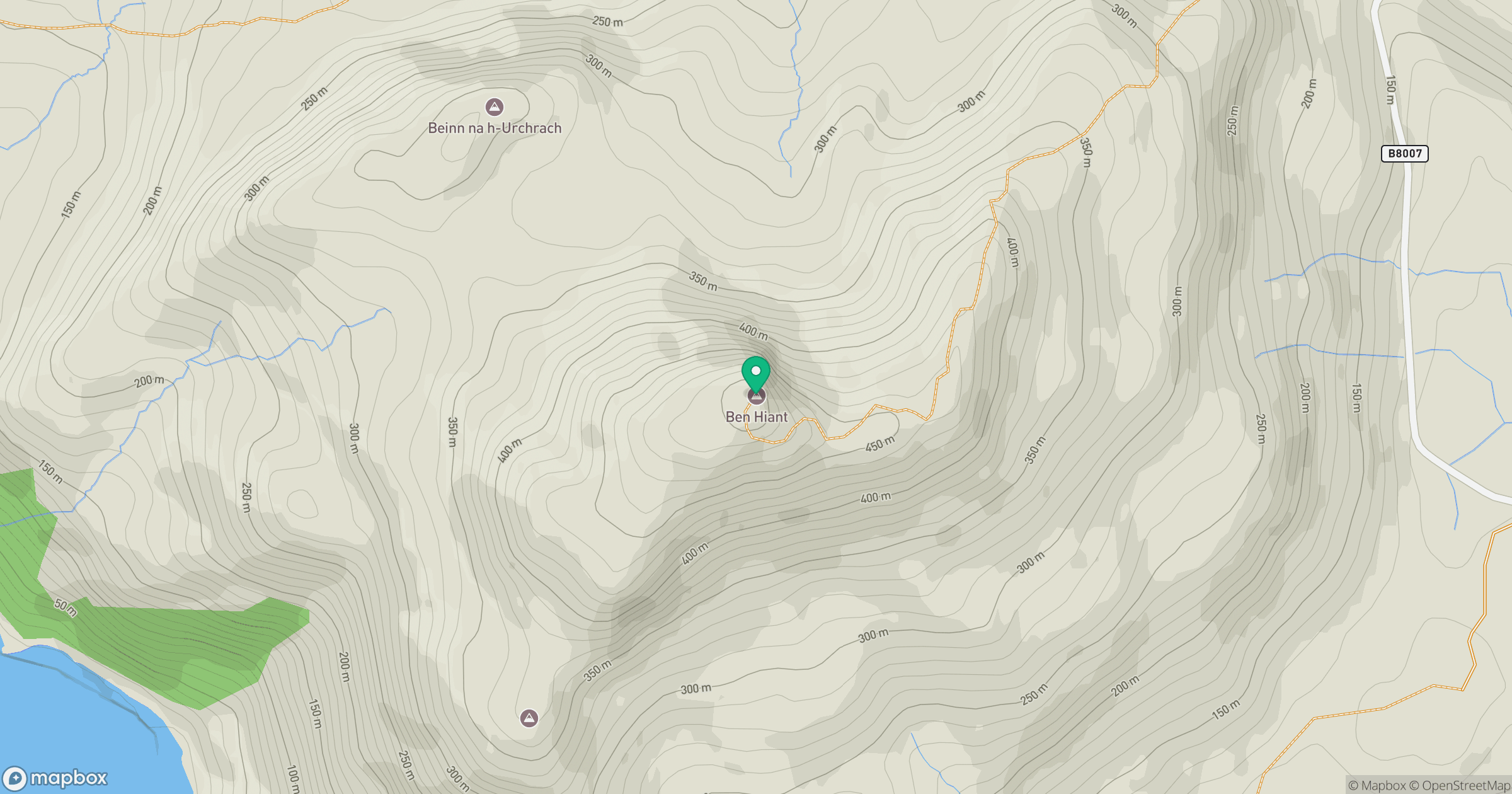
Grid reference: NM537632
View on OpenStreetMapOpens a map in a new tab, centred on the hill.
No comments yet. Be the first.